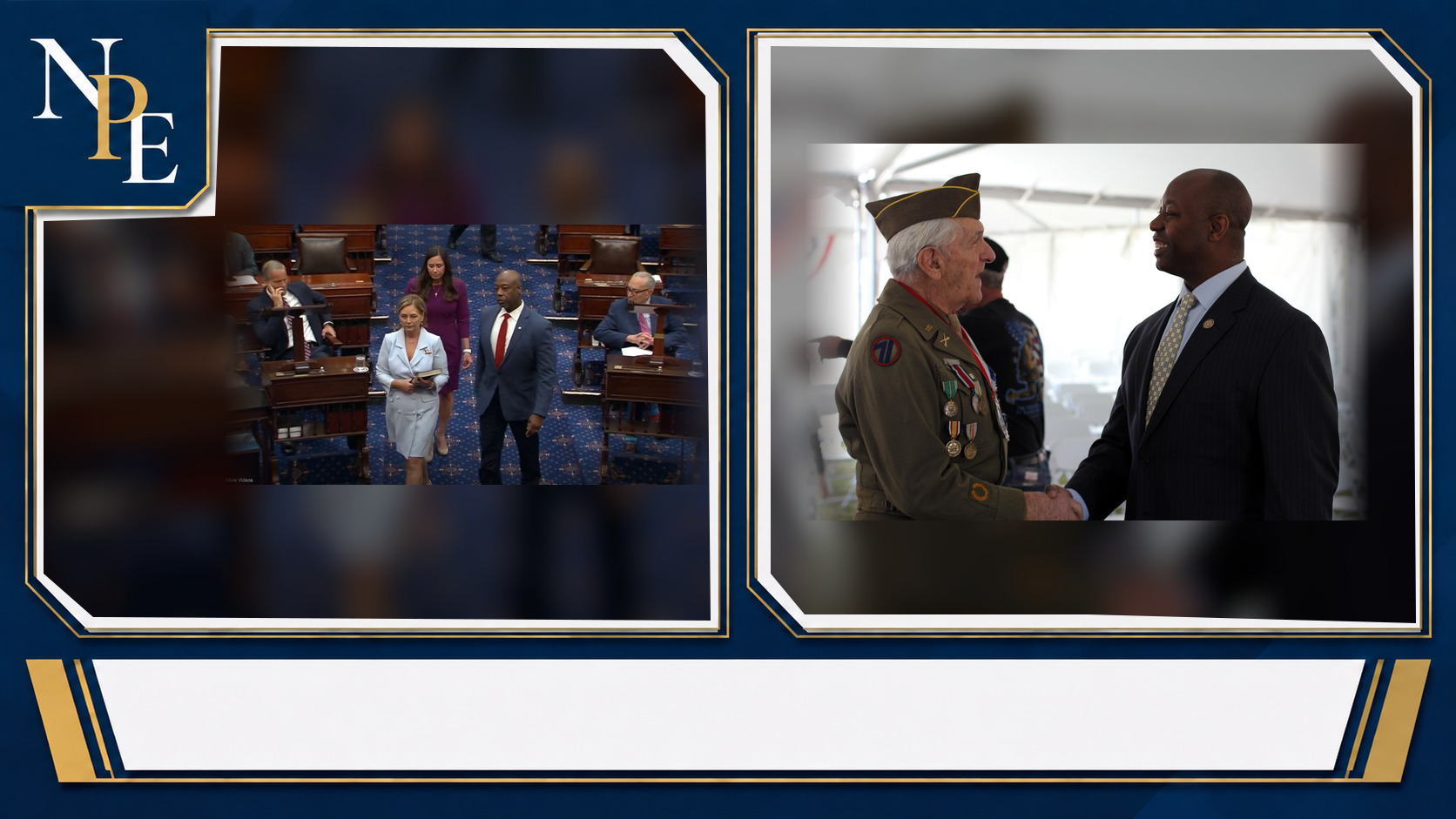
Scott’s endorsement gives Graham a high-profile validation after an unusually candid debate answer raised questions about her readiness for the Senate. The runoff against Rep. Ralph Norman is also a test of whether establishment and Trump-aligned support can overcome a campaign stumble.
Tim Scott called Darline Graham the “real deal” on Aug. 23, 2026, praising the South Carolina senator as highly qualified, competent and ready for office ahead of the state’s Aug. 25 Republican primary runoff. Scott’s comments followed Graham’s debate-stage gaffe about national security, when she said the issue was not her area of expertise.
The endorsement is an attempt to put a clear frame around Graham’s candidacy: her supporters see an honest public servant with South Carolina government experience, while critics see a first-time candidate who stumbled on a core Senate responsibility. She faces Rep. Ralph Norman in a runoff that has become a closely watched Republican contest.
Scott makes the case for Graham
Scott made his comments on NBC News’ Meet the Press, describing Graham as “ready for prime time.” He said she was “highly qualified” and “incredibly competent,” then made the endorsement personal by saying she was the person he wanted representing South Carolina alongside him in the Senate.

That language matters because Scott is South Carolina’s senior senator and because Graham’s campaign has been forced to answer a question that goes beyond party alignment: whether she is prepared for the breadth of issues a senator must confront.
Rather than dispute that Graham is new to electoral politics, Scott’s defense leaned on qualifications and capability. It was a direct rebuttal to the idea that one debate response should define her readiness for federal office.
The national-security answer under scrutiny
The controversy came during an Aug. 18 candidates’ debate, when Graham was asked about Taiwan and the South China Sea. She said she was not very informed on national security, while adding that she supports the military.
Graham also said she was not a polished politician and that national security was not her area of expertise. For opponents, the exchange was a serious weakness: senators vote on defense budgets, foreign policy matters, treaties and national-security nominations.
For allies, the answer offered a different picture. They have characterized it as candor from a candidate who did not try to bluff through a complicated question. President Donald Trump defended Graham after the exchange, saying she was “being honest,” according to USA TODAY.
Both readings can coexist. Voters may value an unvarnished admission of limits, but they can also reasonably expect a prospective senator to develop clear positions on major international challenges.
A sudden path to the Senate
Graham’s route into the race was unusually abrupt. Republican Gov. Henry McMaster appointed her to fill the remainder of the Senate term held by her brother, the late Sen. Lindsey Graham, shortly after his death on July 11.
Before entering the Senate, Darline Graham had worked in South Carolina government for years and had served as commissioner of the South Carolina Commission for the Blind since 2019. But she had never previously run for elected office.
That background gives both sides useful material. Supporters can point to public-service experience and familiarity with state government. Norman and other critics can emphasize that managing a state agency is different from handling national policy as a U.S. senator.
The circumstances also mean Graham is campaigning while holding the seat she is trying to keep. Scott’s endorsement reinforces the argument that she already belongs in Washington; the debate answer gave rivals an opening to challenge that claim.
Trump support meets a runoff test
Trump has backed Graham, saying at an Aug. 21 rally that he had urged her to run. His support helped establish her as the preferred candidate of the president’s wing of the party, even as her political résumé remained limited.
Graham finished first in the Aug. 11 special Republican primary with 33% of the vote, but that was not enough to avoid a runoff. Norman, a hard-line conservative and member of the House Freedom Caucus, advanced to face her on Aug. 25.
The runoff puts two different Republican cases before voters. Graham has the support of Trump and Scott, along with the visibility that comes with her appointment. Norman can argue that his record in the House offers a more established ideological and legislative profile.
It is also a test of how far endorsements can carry a candidate after a viral or damaging debate moment. High-profile support can reassure uncertain voters, but it does not erase questions raised by a candidate’s own words.
Readiness is now the central issue
Scott’s intervention appears designed to shift attention from a single exchange to Graham’s overall profile. His argument is not that she is a longtime foreign-policy specialist. It is that she has the competence, judgment and capacity to serve effectively despite her inexperience as a candidate.
That is a narrower and more practical case than pretending the debate moment never happened. It also recognizes why the issue has stuck: national security is not peripheral to Senate work, particularly at a time when questions involving Taiwan, China and U.S. military commitments remain prominent.
Graham’s answer may still resonate with voters who are tired of rehearsed political responses. Yet an admission of unfamiliarity invites the next question: how quickly can a new senator build fluency on the issues that arrive in classified briefings, committee hearings and floor votes?
What voters will decide Aug. 25
The immediate outcome will be decided in South Carolina’s Republican runoff. Graham enters with meaningful institutional backing, while Norman offers a rival with a clear conservative identity and elected experience in Congress.
Scott’s “real deal” endorsement gives Graham a concise response to the criticism surrounding the debate: a senior senator is publicly vouching for her readiness. Whether that reassurance is enough depends on whether Republican voters view the security exchange as a passing misstep or a revealing test of preparation.
What remains unclear is how heavily the debate moment will weigh against Trump’s endorsement, Scott’s support and Graham’s connection to a family name long known in South Carolina politics. The runoff will show which argument carries more force.
Leave a Reply