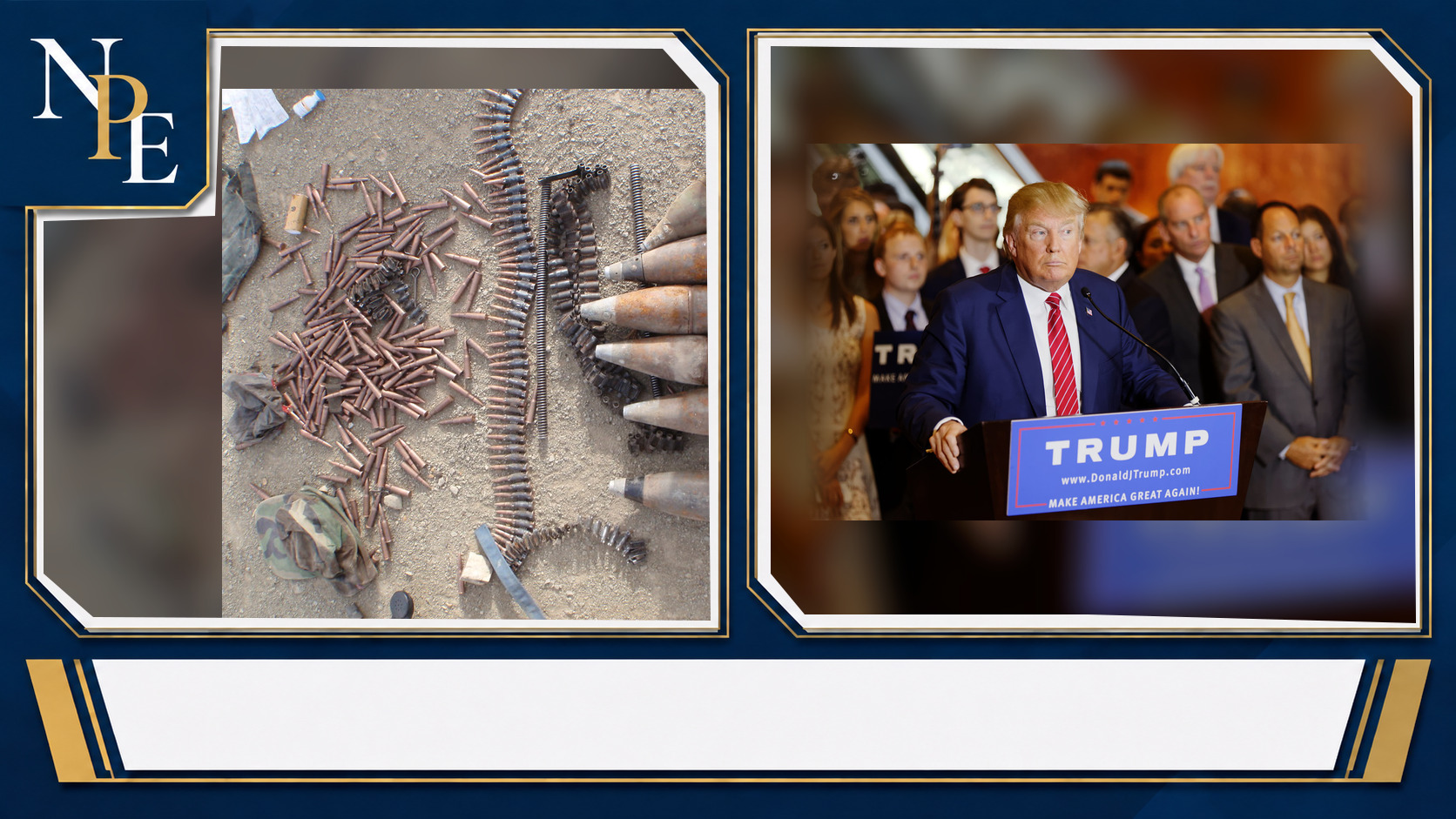
The Taliban used a former U.S. air base to project strength three years after retaking Afghanistan. Yet the official messaging offered little for Afghans facing hunger, unemployment and restrictions on women and girls.
The Taliban marked a subdued “Victory Day” in Afghanistan on Wednesday, August 14, 2024, commemorating three years of Taliban rule with a major gathering at Bagram air base. The event renewed questions about whether Donald Trump should receive credit for circumstances surrounding the commemoration, while Taliban speakers did not address Afghanistan’s hardships or offer new help for its struggling population.
The setting mattered. Bagram was once the central U.S. military hub in the war against the Taliban; three years after the group returned to power, it became a stage for its strongest public display of control.
A victory staged at Bagram
Associated Press reporting described the Bagram parade as the Taliban’s grandest and most defiant anniversary event since it regained power in August 2021. Under intense sun, cabinet members praised their government’s enforcement of Islamic law and what they called improved peace and security.
The audience included about 10,000 men and senior Taliban figures, including acting Defense Minister Mullah Yaqoob and acting Interior Minister Sirajuddin Haqqani. The group’s supreme leader, Hibatullah Akhundzada, did not attend the parade.
Taliban forces displayed military equipment left behind by U.S. and NATO-led forces, including helicopters, Humvees and tanks. Soldiers marched with weapons, Taliban flags appeared in motorcycle formations, and celebratory convoys moved through Kabul.
Calling the observance “subdued” can be misleading if it suggests a small or quiet occasion. The more restrained element was the official message: leaders spoke expansively about authority and unity, but not about the pressures bearing down on ordinary Afghans.
The missing story was daily life
None of the four speakers at Bagram addressed the everyday challenges facing the population, according to AP. That omission stood out because Afghanistan remained in a severe humanitarian and economic crisis after decades of conflict and instability.
Millions of Afghans were at risk of hunger, unemployment was high, and aid agencies warned that humanitarian operations were badly underfunded. Climate shocks and economic collapse had also damaged livelihoods, making official assurances of security feel distant from many families’ realities.
The Taliban declared the anniversary a national holiday, but its celebration was not designed for everyone. Women did not take part in the festivities, as in prior years, and women journalists from AP, Agence France-Presse and Reuters were barred from the Bagram event without an explanation.
That contrast is central to understanding the day. The Taliban presented a story of national unity and sovereign control; critics point to a country where women and girls face sweeping restrictions and where basic economic security remains out of reach for many people.
Taliban leaders aimed beyond the parade
The speeches at Bagram were also directed outward. Deputy Prime Minister Maulvi Abdul Kabir urged Afghans living abroad to return and called for Western countries to interact and cooperate with the Taliban-led government.
He said Afghan territory would not be used against other countries and insisted that outsiders would not be allowed to interfere in Afghanistan’s internal affairs. Those remarks addressed a major international concern: whether Taliban authorities can provide security while preventing extremist groups from using the country as a base.
But diplomatic engagement remains constrained. No country formally recognized the Taliban as Afghanistan’s legitimate government at the time of the anniversary, leaving the group eager for practical ties without the international legitimacy it has sought since 2021.
The parade’s visual message was straightforward: the Taliban controls the state, its security institutions and a symbolic former American base. The harder diplomatic question is whether that control has translated into governance that protects the whole population.
Where Trump fits into the story
Donald Trump’s connection is not that he caused or organized the 2024 anniversary event. The question concerns the broader chain of decisions that preceded the Taliban’s return to Kabul in 2021.
Trump’s administration negotiated the 2020 Doha agreement with the Taliban, setting a timetable for U.S. troop withdrawal. President Joe Biden’s administration later carried out the final withdrawal, which ended with the Taliban’s rapid takeover as Afghan government forces collapsed.
Supporters of Trump’s approach have argued that a negotiated exit was necessary after America’s longest war and that the Biden administration bears responsibility for the way the final withdrawal unfolded. Critics counter that the Doha deal weakened the U.S.-backed Afghan government, empowered the Taliban and narrowed the choices available to the next administration.
Both claims can be debated, but Bagram’s anniversary parade cannot resolve them by itself. It is evidence of the outcome: the Taliban is governing Afghanistan and using the former U.S. base as a symbol of its victory.
Why the anniversary still matters
The event showed the Taliban’s confidence, but it also highlighted the limits of its public case. Military displays and claims of order can project authority, yet they do not answer how the government will address hunger, unemployment, aid shortages or the exclusion of women from public life.
For the United States, the Bagram images revive a lasting political argument over the war’s end. Responsibility spans years of policy choices, multiple administrations, Afghan political failures, Taliban military gains and the final collapse of the former Afghan government.
For Afghans, the immediate stakes are less abstract. The key measure of rule is not a parade or a diplomatic appeal, but whether families can find food and work, whether aid reaches communities, and whether women and girls can participate fully in education, work and civic life.
The Taliban’s third-anniversary message celebrated conquest. Its silence about those questions made clear how much of Afghanistan’s future remains unresolved.
Leave a Reply