The order keeps a fast-moving, $400 million construction project alive for now, but it does not settle the fight over whether President Donald Trump could proceed without congressional approval. The next Supreme Court action could test the limits of presidential control over the White House.
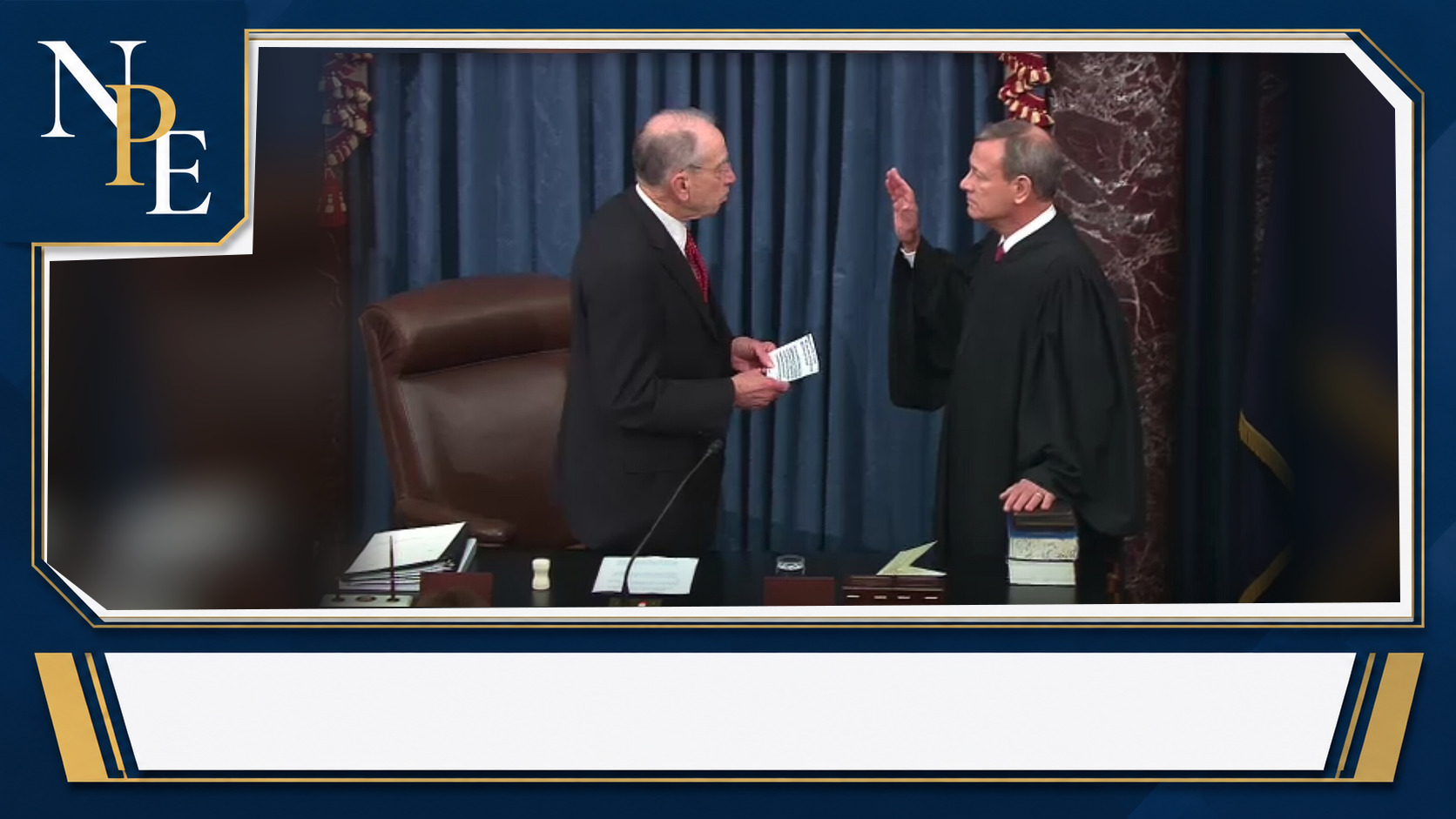
The U.S. Supreme Court temporarily allowed construction work on the White House ballroom to continue, giving President Donald Trump’s $400 million project a short-term reprieve while the court considers the administration’s legal challenge. Chief Justice John Roberts issued the order Friday, August 21, preventing lower-court rulings from immediately stopping aboveground work.
The authorization is only temporary, not a final ruling. Construction on the White House ballroom can proceed for now, but the underlying dispute remains: whether Trump had authority to press ahead without congressional approval for a project that replaced the East Wing.
Roberts paused the construction halt
Roberts acted on an emergency request from the Trump administration after lower courts concluded that aboveground construction had to stop. His one-page order allows work to continue until the Supreme Court makes a more lasting decision.

The chief justice handles emergency appeals arising from Washington, which is why he initially acted alone. The full court is expected to decide what happens next, though the order gave no timetable and did not explain Roberts’ reasoning.
That procedural detail is important. An emergency order often preserves the status quo while justices assess a dispute; it does not necessarily forecast how they will ultimately rule on the merits.
A project moving at unusual speed
The White House has said the planned ballroom will cover about 90,000 square feet and cost $400 million. According to court filings cited by the Associated Press, the administration says 65% of the work is already complete.
Crews have reportedly been working 20 hours a day, seven days a week. The Justice Department said roughly $200 million in private donations had either been spent or committed.
That pace is a major part of the legal and practical tension. If a contested project advances rapidly, a later ruling against it may be harder to translate into a meaningful remedy. Lawyers for the National Trust for Historic Preservation argued that the White House was trying to “outrun the courts” by accelerating construction.
The fight centers on presidential authority
The administration’s position is sweeping: it argues that the president has authority to renovate the White House and other federal buildings and says completing the ballroom is required for national security.
Trump did not initially frame the project around national security when announcing it. At the time, he said it would be financed through private donations, including money from himself.
Opponents say the issue is not simply how the ballroom is paid for. The National Trust for Historic Preservation contends that a president cannot unilaterally undertake a major White House project of this kind, particularly after the demolition of the East Wing, without congressional approval.
The dispute therefore reaches beyond a single building plan. It asks where the line falls between a president’s power to manage the executive residence and Congress’ role in authorizing major changes to federal property.
Lower courts had backed a pause
In April, U.S. District Judge Richard Leon ordered a halt to aboveground construction. He allowed work to continue belowground on bunkers and military installations, but not on the visible portions of the planned ballroom.
An appeals court panel upheld that decision. Two judges appointed by Democratic presidents said the project was a question for Congress, not “Executive self-help,” according to the AP report.
The panel was divided. A third judge, appointed by Trump, concluded that the preservation organization challenging the project did not have legal standing to sue. The administration has emphasized that argument in seeking Supreme Court intervention.
Solicitor General D. John Sauer called the lower-court decision stopping construction “extraordinary and unlawful,” arguing that the project’s completion was vitally required by national security.
Why the temporary order matters
For Trump, the immediate benefit is clear: construction does not have to stop while the Supreme Court considers the emergency appeal. Trump welcomed the decision at a political appearance in South Carolina and later said online that the project was under budget and ahead of schedule.
For the preservation group, the setback is real but limited. A spokesperson said Roberts’ order was not a final decision and that the organization was awaiting the court’s next move.
Both views can be true at once. The White House has secured valuable time for a project already moving quickly, while challengers still have an opportunity to persuade the full court that the work should be halted during the lawsuit.
The next ruling carries the weight
The Supreme Court may next decide whether construction can continue through what could be a lengthy legal fight. It could leave Roberts’ temporary arrangement in place, impose a new pause, or set conditions while the case proceeds.
What remains unclear is how much the justices will say about the core constitutional and statutory questions at this stage. Emergency-docket orders can be brief and procedural, leaving major legal questions for later review.
The court has recently given the Trump administration several wins on its emergency docket, though it has also rejected some signature administration policies after fuller consideration. That history is a reminder that Friday’s order is a notable interim victory, not a final answer on the White House ballroom or the scope of presidential power.
Leave a Reply