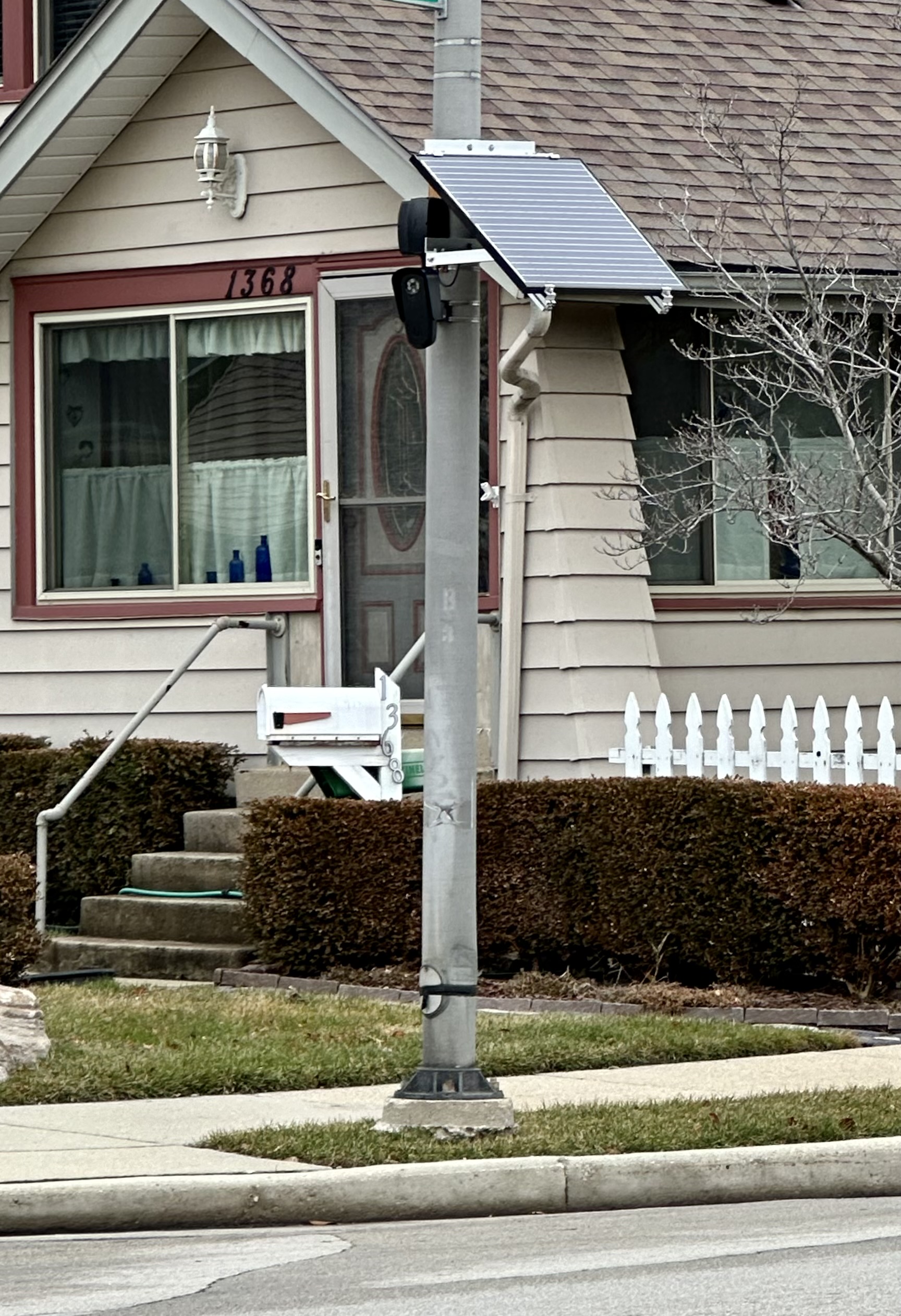
A Silicon Valley dispute over Flock cameras has moved from privacy fears to a concrete policy reversal. Mountain View’s decision shows how quickly public trust can determine the future of police surveillance tools.
Flock surveillance cameras are facing backlash in Silicon Valley over privacy concerns about the automated license plate reader cameras. In Mountain View, California, the City Council unanimously terminated its contract with Flock Safety on February 24, 2026, after the city’s 30 ALPR cameras had been switched off on February 2.
The immediate issue was not simply the presence of cameras on local streets. A Mountain View Police Department audit found that federal and state law-enforcement agencies had accessed the city’s data in violation of approved policies, turning a debate over public safety technology into a test of whether local safeguards can actually be enforced.
Mountain View made a clean break
At its February 24 meeting, the Mountain View City Council voted unanimously to end Flock Safety’s role in the city’s automated license plate reader pilot program. The city announced the decision the following day.
Mayor Emily Ann Ramos said the council had heard significant feedback from residents and concluded that the program did not reflect Mountain View’s priorities. Her statement framed the decision around a basic civic bargain: public-safety measures require community trust.
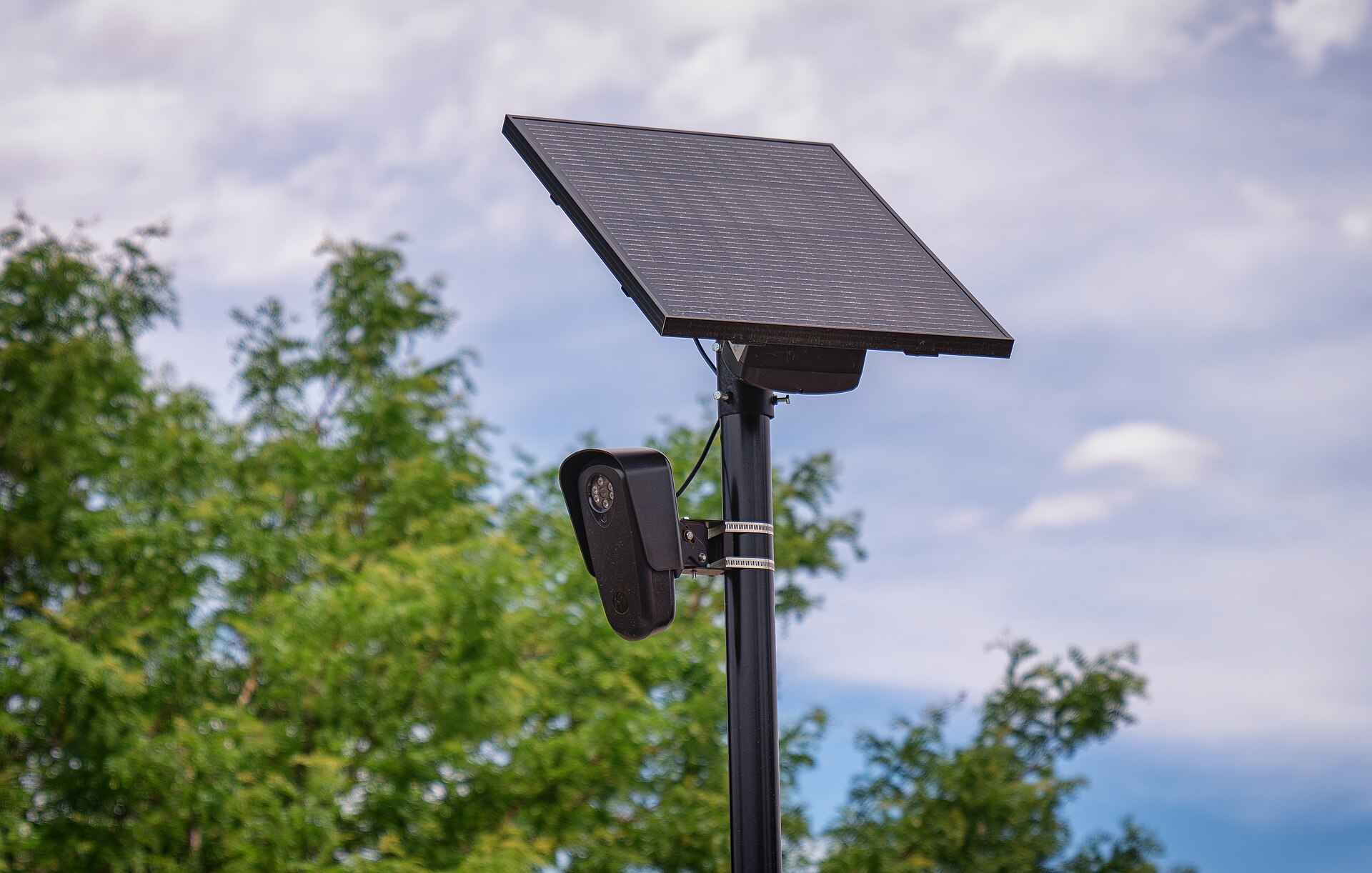
The city said its stationary Flock cameras would be removed as soon as possible. That means the outcome was not a pause for policy revisions or a limited restriction on use; it was the termination of the vendor contract.
The cameras were already switched off
Mountain View’s 30 cameras had not been operating since February 2. Police Chief Mike Canfield shut them down after the department-initiated audit identified data access by federal and state agencies that violated the city’s approved policies.
That distinction matters. The council’s later vote came after the city had already stopped the system, suggesting officials saw the audit finding as serious enough to halt operations before deciding whether the pilot could continue.
The city release does not specify in its summary which agencies accessed the data, what searches were conducted, or how long the access continued. Those unanswered details are central to understanding the scope of the breakdown and whether existing controls detected it promptly.
Why license-plate readers draw scrutiny
Automated license plate readers, often called ALPRs, capture images of vehicles and convert plate information into searchable records. Police agencies can use them to help locate stolen vehicles, identify a vehicle connected to an investigation, or receive alerts tied to a plate of interest.
Supporters argue that these tools can give investigators useful leads without requiring officers to be everywhere at once. For a city confronting car theft, missing-person cases, or other time-sensitive investigations, that can be a meaningful practical benefit.
Critics see a different risk: a network of cameras can create a detailed record of where people travel, even when they are not suspected of wrongdoing. The concern becomes sharper when data-sharing arrangements are unclear, broad, or out of step with limits adopted by local officials.
Flock Safety says its customers own the images and data generated through their systems and that the company does not sell customer data. But questions about who can search a customer’s records, under what rules, and with what oversight remain at the center of public disputes around the country.
Privacy concerns became a governance test
Mountain View’s response illustrates why the debate is not limited to whether a camera is installed. Cities can adopt retention rules, access restrictions, audit requirements, and policies limiting which agencies may search local information. Those protections only carry weight if they are followed and independently checked.
In this case, the city said the accessed data conflicted with its approved policies. That finding shifted the local argument from a theoretical concern about surveillance to a concrete question of accountability: what should happen when the guardrails a city promised residents do not hold?
Residents who opposed the program can point to the shutdown as evidence that surveillance systems may expand beyond the public’s understanding. Advocates of the technology may argue that an audit and a targeted correction should be enough to preserve a potentially useful law-enforcement tool.
The unanimous vote indicates that Mountain View’s council ultimately judged the trust cost to be greater than the case for continuing this particular pilot.
Silicon Valley’s local decision matters
Mountain View is a relatively small jurisdiction within a region closely associated with technology, data and innovation. Its decision underscores an awkward reality for surveillance vendors and city governments alike: technical capability does not settle the question of social permission.
Flock cameras have drawn opposition in other communities as privacy advocates, residents and elected officials scrutinize data access, cybersecurity, retention practices and possible sharing with outside agencies. The local details vary, but the recurring conflict is whether convenience for investigations has been matched by meaningful limits.
For municipal leaders, Mountain View offers a caution about treating a vendor contract as the end of the policy conversation. Public rules need to cover who can access data, what records are kept, how violations are discovered and what consequences follow when they occur.
Questions remain after the vote
Mountain View has made its immediate direction clear: the Flock contract is over, the 30 cameras remain off, and the stationary units are to be removed. The city’s February 25 announcement is the authoritative account of those actions.
What remains less clear is whether the city will consider a different license-plate reader system in the future, rewrite its surveillance policies, or rely on other approaches to the public-safety needs the pilot was meant to address. The city’s announcement did not lay out a replacement plan.
The larger takeaway is straightforward. A camera network may be sold as a public-safety tool, but its durability depends on more than results. In Mountain View, the audit finding and resident concerns made control over the data—not the hardware on the pole—the decisive issue.
Sources: City of Mountain View news release, February 25, 2026; reporting on the broader Flock Safety debate by The Guardian.
Leave a Reply