
Jackie’s death ends weeks of treatment after an attack that drew widespread attention in California. The case also highlights the difficult, often uncertain work of rehabilitating injured birds of prey.
Jackie, a beloved California bald eagle, died weeks after being attacked. The Ojai Raptor Center provided Jackie with intensive care after the attack, but the bird did not recover. Her death, reported by NBC News on August 10, has brought a painful end to a rescue effort followed closely by people who had come to know the eagle.
For wildlife supporters, the loss is a reminder that treatment can give an injured raptor a chance, not a guarantee. What remains unclear publicly is the full nature of the attack, the extent of Jackie’s injuries and whether officials will release further details about what led to her death.
Jackie’s treatment could not save her
Jackie survived long enough after the attack to receive weeks of intensive care, a period that evidently gave caregivers reason to keep fighting for her recovery. But wildlife rehabilitation is often a race against damage that cannot be fully seen from the outside.
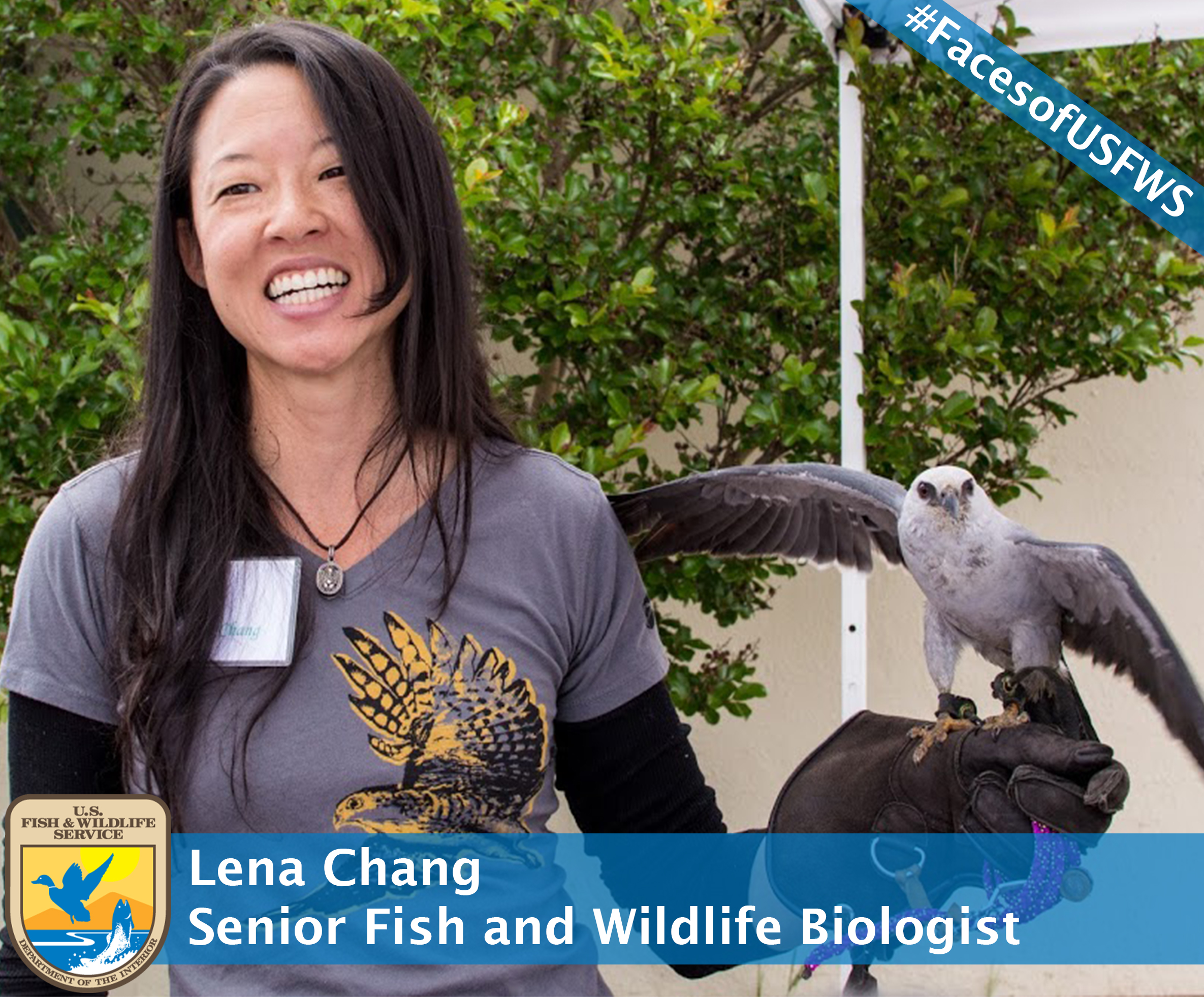
Birds of prey can suffer injuries that affect far more than flight. Trauma may compromise mobility, vision, feeding, internal function or a bird’s ability to manage stress. Even when a bird is stabilized, the path back to health can remain uncertain.
The Ojai Raptor Center’s role places Jackie’s final weeks in the hands of a specialist facility rather than leaving the bird without care. That matters in a story that can otherwise be reduced to a simple, tragic headline: she was treated, monitored and given time to recover.
Why a single eagle became personal
Wild animals usually enter public awareness only briefly, often after a dramatic rescue or a troubling incident. Jackie appears to have held a different place for many Californians: she was known as an individual animal, not merely as another bald eagle.
That familiarity can make a wildlife death feel unusually immediate. People who follow an animal’s movements, appearances or recovery may attach meaning to the small signs that normally go unnoticed: a return to flight, a successful feeding or simply evidence that the animal is still alive.
There is a tension in that attachment. Public attention can support rescue groups by bringing awareness to their work. It can also create an intense emotional response when caretakers must manage a worsening condition privately or deliver news that a recovery effort has failed.
The attack leaves key questions open
The available reporting establishes the central sequence: Jackie was attacked, received weeks of intensive care and died. It does not, however, provide a complete public account of the attack itself or identify every factor that contributed to the outcome.
That distinction is important. An attack may be the event that brings an animal into care, while the medical consequences can unfold over days or weeks. Without detailed information from the rehabilitation team or wildlife authorities, it would be premature to draw conclusions about the exact cause of death or assign blame.
There is also no indication in the available material that this case represents a broader, confirmed threat to bald eagles in California. A heartbreaking individual loss should not automatically be treated as proof of a wider pattern without evidence.
Rehabilitation is not just medical care
For a bald eagle, recovery is not measured only by whether the bird remains alive after an emergency. A rehabilitated raptor must be capable of functioning in the wild, including flying, finding food and responding to danger.
That is why intensive care may involve difficult decisions. Caregivers must balance hands-on treatment with the need to limit stress and preserve behaviors essential for a wild animal. The goal is not simply to keep a bird in captivity; it is to determine whether a safe return to the wild is possible.
When that goal cannot be reached, the disappointment is real for rescuers and the public alike. Still, the care itself has value. It can ease suffering, document injuries, inform future treatment and ensure that an animal is not overlooked after a serious incident.
What Jackie’s death means now
Jackie’s death is a loss for the people who cared for her and for the Californians who had come to see her as a familiar symbol of local wildlife. It also puts attention on the organizations that handle the hardest part of animal stories: the work that continues after cameras and headlines move on.
The case underscores a basic reality about wildlife rescue. Expertise, rapid intervention and weeks of care can make a profound difference, but they cannot undo every injury. The public often sees the beginning of a rescue and hopes for release; caregivers must contend with every complication in between.
Further updates from the Ojai Raptor Center or relevant wildlife officials could clarify Jackie’s condition, the circumstances of the attack and whether any additional findings will be shared. Until then, the confirmed story is both simple and sobering: a beloved bald eagle was attacked, received intensive treatment and ultimately died.
A loss that reaches beyond one bird
Bald eagles carry cultural weight far beyond their role as wildlife. Seeing one in the wild can feel rare and memorable, even in places where the species has made a notable recovery from its historical decline.
That symbolism helps explain why Jackie’s death has resonated. Yet the strongest takeaway is not only about a national emblem. It is about an individual bird whose final weeks drew care, concern and professional attention—and about the limits that even dedicated rehabilitation cannot always overcome.
Leave a Reply