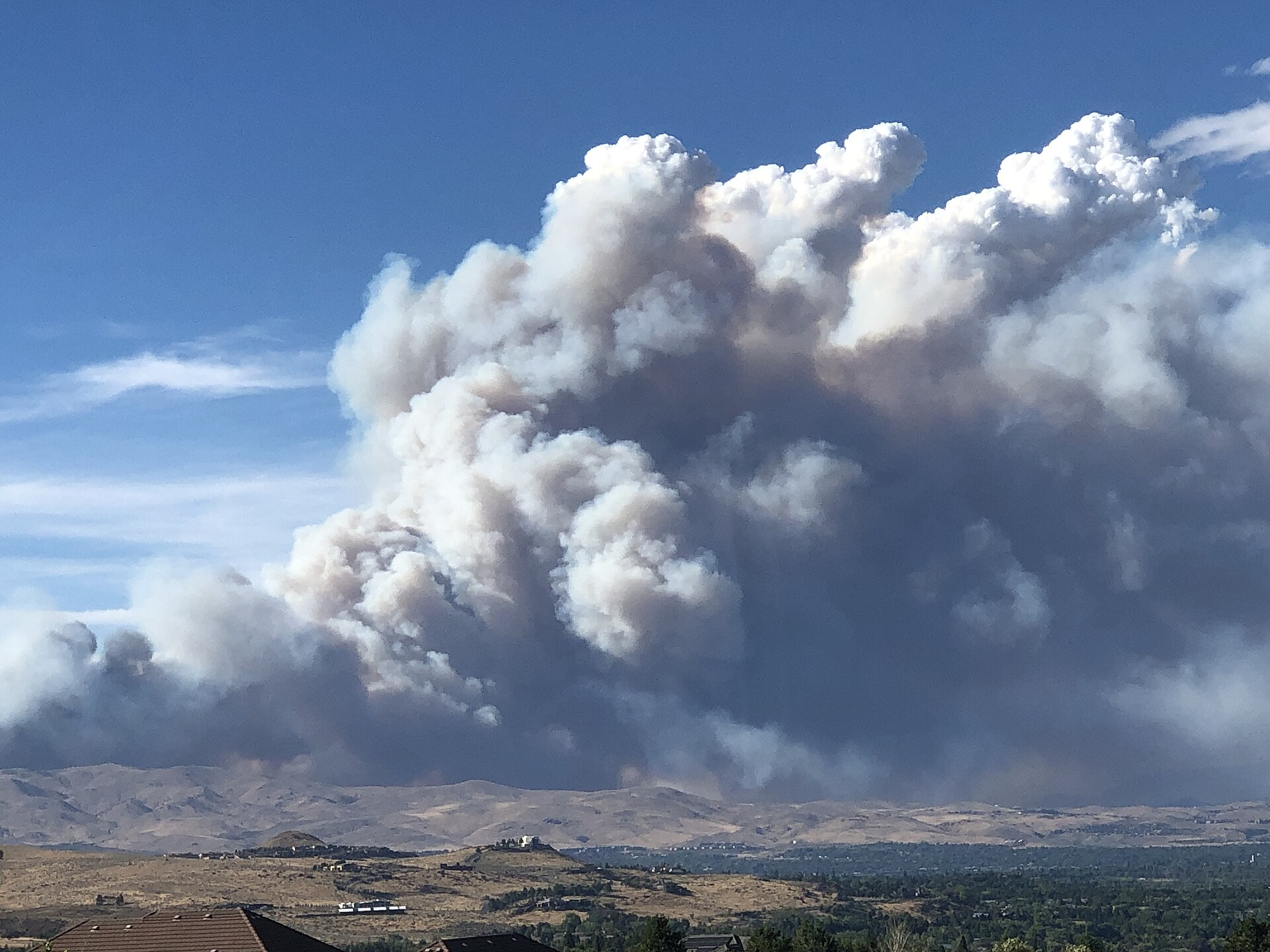
A fast-moving wildfire near Reno has moved beyond a remote-fire response into a broad public-safety emergency. Evacuation orders, power losses, road closures and difficult fire weather are putting Washoe County residents on alert.
The fast-growing Hawk Fire is spreading toward Reno, Nevada, after growing to more than 10,500 acres early Sunday. Evacuations have been ordered for nearly 14,000 homes in Washoe County, where the fire has reached communities near Peavine Mountain and the edge of the University of Nevada campus.
Nevada Gov. Joe Lombardo declared a state of emergency and activated National Guard support as crews battle a blaze driven by wind, dry vegetation and low humidity. The immediate story is not just the fire’s acreage: it is how quickly an incident in rugged terrain became a disruption affecting homes, highways, electricity and evacuation routes around Reno.
Evacuation zone reaches Reno’s edge
The Hawk Fire was burning across a rugged part of the Humboldt-Toiyabe National Forest near the Nevada-California line, where homes and businesses ring Peavine Mountain. By early Sunday, the fast-growing fire had pushed toward northwest Reno neighborhoods.
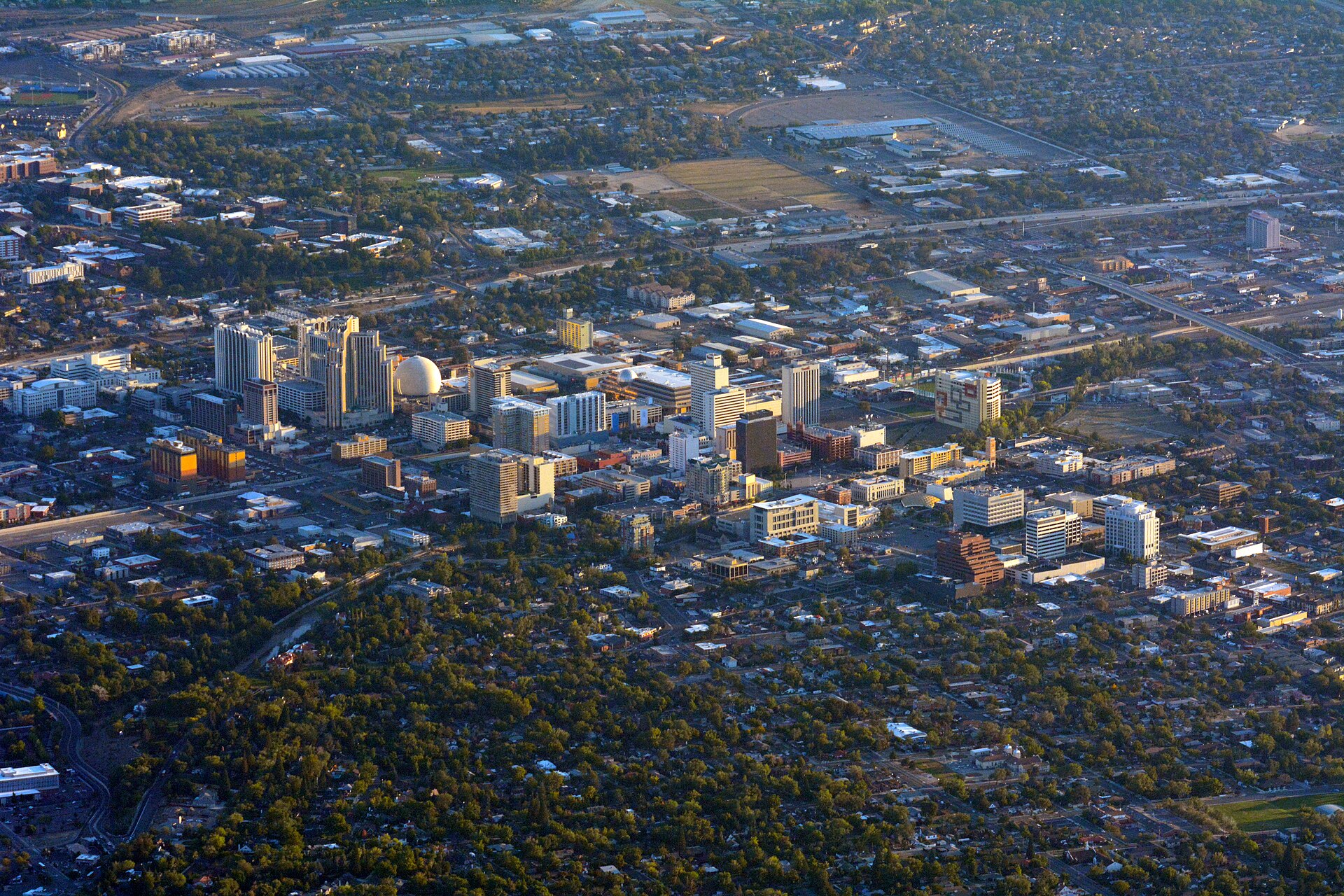
Officials issued evacuation orders affecting nearly 14,000 homes. The designated “GO NOW” area reached the edge of the University of Nevada campus, an indication of how close the emergency had moved to a major population center.
Reno has more than 280,000 residents, and the location changes the challenge for emergency responders. Wildland firefighting remains central, but so do traffic control, public alerts, sheltering and protecting empty neighborhoods from possible crime or unsafe re-entry.
Some homes were consumed by the fire, according to reporting from the area. The full scale of structural damage was not immediately clear, and that count can change as crews reach burned areas and complete assessments.
Why the fire expanded so fast
Truckee Meadows Fire & Rescue said strong, gusty winds, low humidity and dry vegetation were fueling the fire’s growth. That combination can make a wildfire unusually unpredictable: wind can carry embers ahead of the main fire line, while dry fuels allow new spot fires to take hold quickly.
Residents described a situation that changed with startling speed. One evacuee said the fire appeared small on Saturday morning but had placed his home in an evacuation zone by the next day. Others described flames advancing down the hillside as ash fell and winds intensified.
That speed matters because evacuation decisions are made under pressure. A map or app may not always reflect a rapidly moving fire in real time, especially when winds shift. Officials’ evacuation instructions, rather than a single tracking tool, are the most important guidance for people in an active warning area.
The Hawk Fire is also an example of the growing risks at the wildland-urban interface, where neighborhoods sit beside forests, brush and steep terrain. In those places, firefighting resources must protect lives and evacuation corridors while also trying to slow the fire’s advance.
Emergency declaration broadens response
Lombardo’s state of emergency declaration for Washoe County provides a mechanism for Nevada to coordinate and deploy resources during the crisis. The governor also mobilized the Nevada National Guard to assist with aerial firefighting and neighborhood security.
According to reporting from the scene, the Guard was providing two helicopter crews to support the firefighting effort, along with 60 troops to help police protect evacuated areas. About 400 personnel from local, state and federal agencies were working on the incident, including ground crews and air resources.
An emergency declaration does not mean a fire is contained or that residents can safely return home. It signals that the response requires broader state support and that local agencies may need help with operations extending beyond direct firefighting.
For residents, the practical effect is a larger emergency system moving into place: fire crews and aircraft on the suppression side, plus law enforcement, shelters, utility crews and transportation officials handling the consequences of displacement.
Power outages and road closures add pressure
Nearly 10,000 customers in Washoe County were without power Sunday, adding another layer of uncertainty for residents already watching evacuation updates. Outages can complicate charging phones, accessing online information, refrigerating medication and keeping in touch with family members.
Portions of U.S. Route 395, a major north-south route through the region, were closed because of the fire. Road closures can be a safety necessity, but they also affect evacuation timing and can limit access for people trying to leave, return to collect belongings or reach relatives.
Washoe County opened the Reno-Sparks Convention Center for evacuees. Pet arrangements were handled separately: small and large animals were directed to other locations rather than the convention center.
That detail underscores a recurring evacuation problem. Families often have to make decisions not only about where they will sleep, but how to transport pets, livestock, medicine, documents and supplies on very short notice.
Residents face abrupt, personal losses
The largest numbers describe the scale of the emergency, but individual accounts reveal its human cost. Cari Kieffer told reporters that her family rushed to gather their dogs and a few possessions after receiving word that their home was in an evacuation zone.
She said the family later learned their home had burned. Another resident’s family said firefighters had tried to protect a mountaintop home near Peavine Mountain with a bulldozer, tree removal and fire retardant, but shifting winds forced people to leave.
Those accounts are not a substitute for an official damage assessment, but they illustrate why evacuation orders are urgent even when a fire initially seems distant. Fire behavior can change faster than residents expect, particularly in wind-driven conditions.
They also point to a difficult tension in any evacuation: people understandably want time to save irreplaceable items, while firefighters need roads clear and residents out of danger. In a rapidly spreading fire, the safest window to leave may be earlier than it feels.
What remains unclear after Sunday
Key questions remain, including the number of homes destroyed or damaged, the fire’s containment status, whether evacuation areas will expand and when displaced residents may be allowed to return. Those answers depend on weather, fire behavior and crews’ ability to establish and hold containment lines.
The immediate priorities are straightforward: protecting people, keeping evacuation routes open, limiting additional structural loss and restoring essential services where it is safe to do so. For people in or near affected areas, local emergency alerts and county instructions should take precedence over social-media posts or informal reports.
The Hawk Fire’s move toward Reno has turned a wildfire on the foothills into a regional emergency. The state response may bring more resources, but the next phase will be determined by the same conditions that made the blaze dangerous so quickly: wind, dry fuels and its proximity to homes.
Leave a Reply