
The Pennsylvania Democrat’s stance puts a familiar state-level dilemma in sharper focus: how quickly should communities build the infrastructure behind AI, and who bears the costs? The dispute is less about whether AI is coming than about the rules that should arrive with it.
Sen. John Fetterman backs Donald Trump over Pennsylvania Gov. Josh Shapiro on AI centers, arguing that Democrats should not stand in the way of rapid AI and data center development. Fetterman has criticized Democratic opposition to AI and data centers, while Trump supports faster development and Shapiro backs stricter guardrails for Pennsylvania projects.
The split matters because data centers are becoming the physical backbone of artificial intelligence—and their arrival can bring construction, jobs and investment while raising difficult questions about electricity, water, local control and who pays for expanded infrastructure.
Fetterman’s case for building fast
Fetterman, a Pennsylvania Democrat, has framed resistance to AI infrastructure as a strategic mistake. In remarks reported by The Hill, he called a push for a nationwide moratorium on AI and data centers “lunacy” and argued that the United States needs to build the underlying capacity for AI.
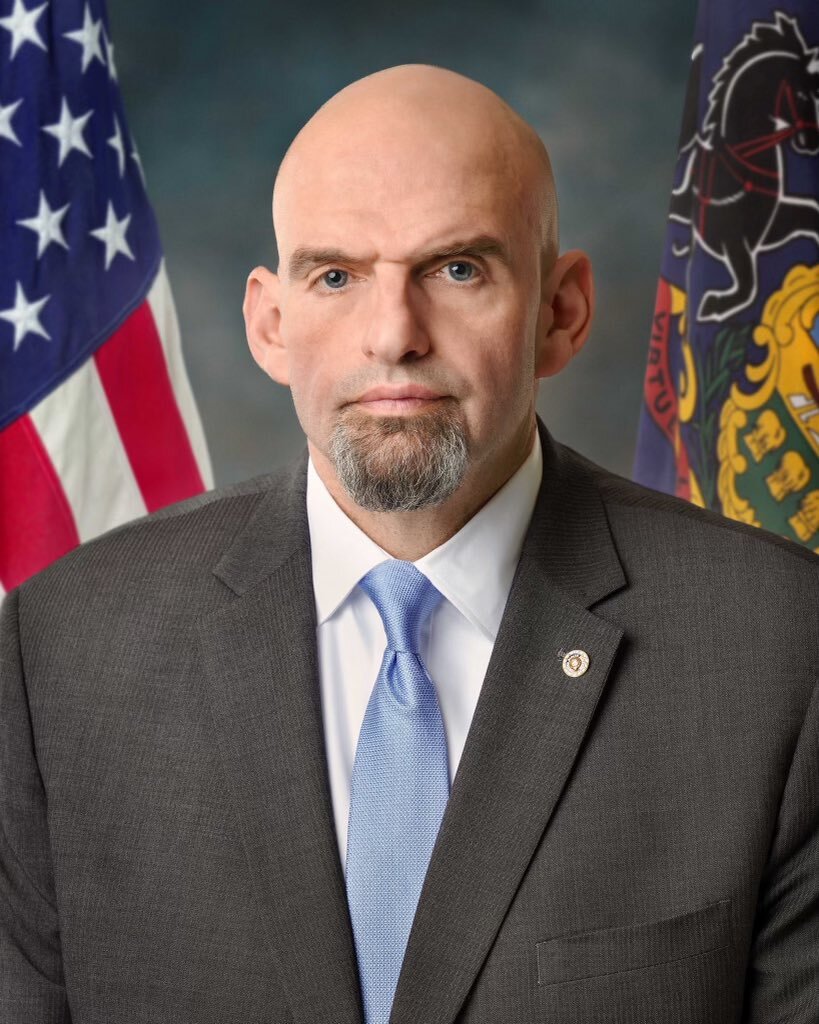
His argument is rooted in competition. Fetterman warned that holding back U.S. development would amount to a “China-first” policy, reflecting the view that America cannot lead in artificial intelligence if it lacks the computing facilities needed to train and run the technology.
That puts him in closer alignment with Trump’s broad preference for rapid AI and data center expansion than with politicians who want major restrictions before construction accelerates. It is an unusual political pairing, but it follows Fetterman’s stated willingness to break with fellow Democrats when he sees a national-interest case.
Shapiro’s approach focuses on guardrails
Shapiro’s position does not amount to a rejection of data centers or AI development. The contrast is over the conditions attached to that growth in Pennsylvania.
The governor has backed stricter guardrails for data center projects, an approach that recognizes the economic appeal of attracting facilities while seeking standards for how the industry expands. State-level rules can shape decisions about siting, utility planning, community engagement and the obligations imposed on developers.
That difference is central to the disagreement. Fetterman’s rhetoric emphasizes the risk of falling behind if government moves too slowly. Shapiro’s framework starts from a different risk: that communities and consumers can be left dealing with the consequences if a fast-growing industry is allowed to set the terms.
Neither concern is abstract. Large data centers require substantial, dependable electricity supplies, and their demands can force difficult planning choices for utilities and public officials. Communities may welcome tax revenue and new construction, yet still worry about land use, noise, water needs or changes to local power systems.
The Democratic divide is wider
Fetterman’s criticism is aimed at a broader debate inside the Democratic coalition, not only at Shapiro. Progressive figures including Sen. Bernie Sanders, an independent who caucuses with Democrats, and Rep. Alexandria Ocasio-Cortez have called for a pause on AI data center construction until national protections are in place.
They have raised concerns about workers, civil liberties, the environment and the influence of major technology companies. Their position is that the pace of deployment should not outrun democratic oversight, especially when the systems being built could reshape employment, information and public life.
Senate Democratic Leader Chuck Schumer has taken a middle route in public comments: pursue a bipartisan AI framework while requiring data centers to pay their fair share and support healthy communities. That approach accepts the need for U.S. leadership but rejects the idea that development should proceed without enforceable consumer protections.
The divide therefore is not cleanly pro-AI versus anti-AI. Most of the participants see AI as economically and strategically important. The disagreement is over sequencing: build first and regulate alongside growth, or establish firm rules before a vast new network of facilities becomes locked in.
What the data center fight means
“AI centers” is shorthand for the data centers that house the servers, chips and networking equipment behind AI services. They are not simply software projects. They are capital-intensive facilities tied to power generation, transmission lines, local zoning and long-term utility decisions.
For Pennsylvania, that makes the policy debate especially tangible. A state that can attract projects may gain construction activity and a role in a growing technology economy. But it also has to decide how to protect nearby residents and whether existing energy systems can absorb new demand without shifting costs elsewhere.
Fetterman’s position gives political weight to the argument that permitting and regulatory uncertainty could drive investment to another state or country. Supporters of guardrails counter that speed without clear conditions can leave states negotiating from a weaker position after developers have already made siting decisions.
- The pro-build argument: AI capacity is a strategic asset, and delays could weaken U.S. competitiveness.
- The guardrails argument: Fast expansion needs rules that protect consumers, workers, communities and the environment.
- The local question: States must determine how project benefits and infrastructure costs are shared.
The questions Pennsylvania still faces
Fetterman’s support for Trump’s direction does not settle the practical issues that will determine how AI data centers are built in Pennsylvania. It remains unclear which specific standards will apply project by project, how quickly approvals will move, and how officials will measure effects on surrounding communities.
There is also a significant distinction between supporting AI investment in principle and agreeing on every development proposal. A project can promise jobs and tax benefits while still raising legitimate disputes over power supply, water use, land, traffic or local consent.
For now, the political significance is clear: Fetterman is staking out a more aggressive pro-build position than many Democrats, including those urging a pause or stronger advance protections. Shapiro represents the competing view that Pennsylvania can pursue the AI economy without treating safeguards as an afterthought.
The real test will be whether policymakers can make room for both ambitions—building enough capacity to compete while ensuring the communities hosting that infrastructure have meaningful protections and a fair share of the benefits.
Leave a Reply