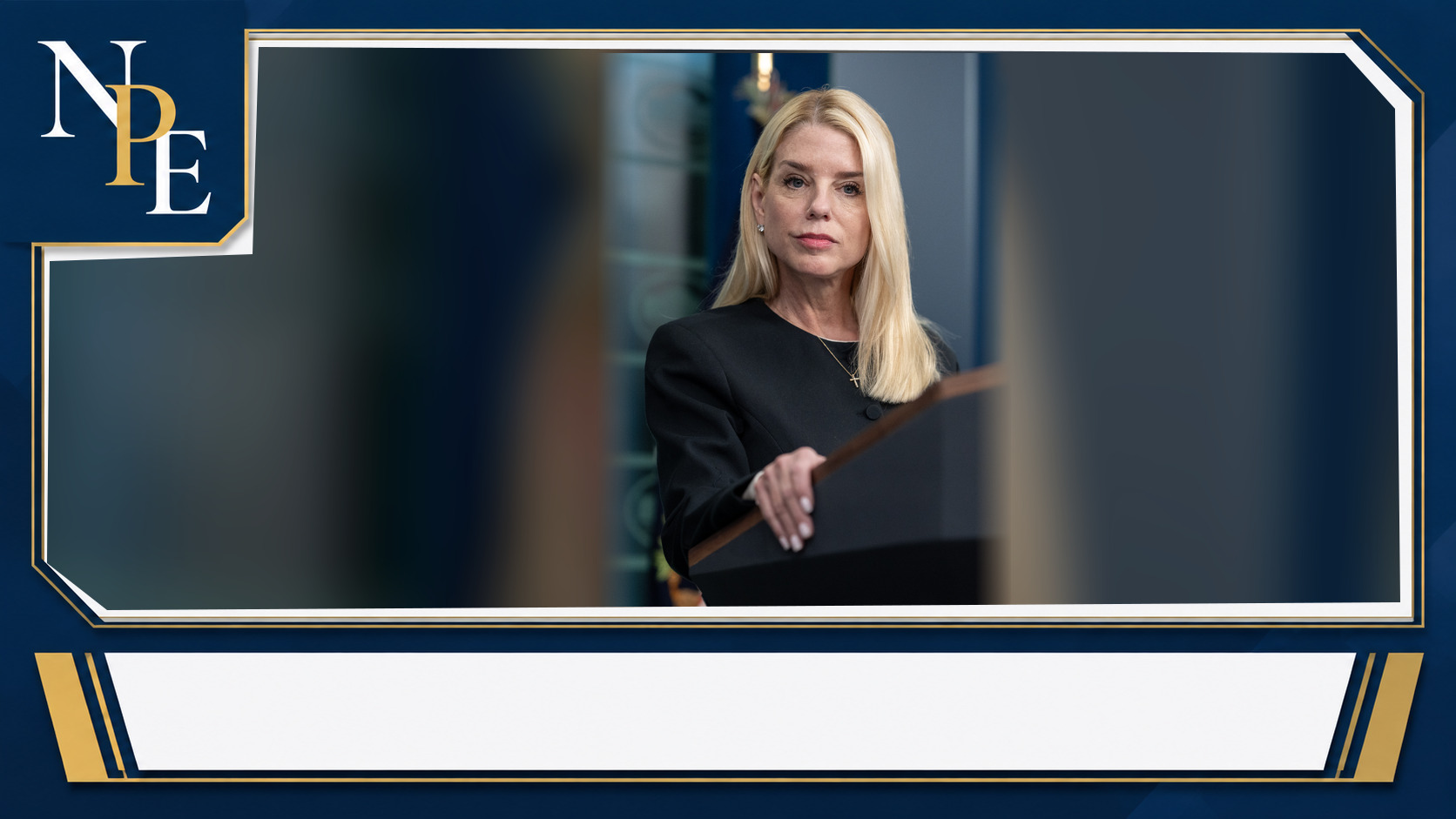
A report on apparent omissions and redactions in the Jeffrey Epstein files has revived scrutiny of the Justice Department’s disclosures. The key distinction is between unanswered questions about the archive and proof that an official acted unlawfully.
Todd Blanche was accused of illegal activity by a Democrat after a report raised questions about missing Jeffrey Epstein files. The Epstein files report has focused fresh attention on what the Justice Department released, what it withheld and whether gaps in the archive can be adequately explained.
That is a serious allegation, but the reporting supplied here does not identify the Democrat behind it or provide evidence establishing that Blanche broke the law. What is documented is a dispute over millions of pages, unexplained-looking redactions and records that may not be part of the public release.
What the Epstein report found
CBS News reported that the Justice Department released more than 3 million pages under the Epstein Files Transparency Act, despite previously saying it had collected more than 6 million pages during its investigation.
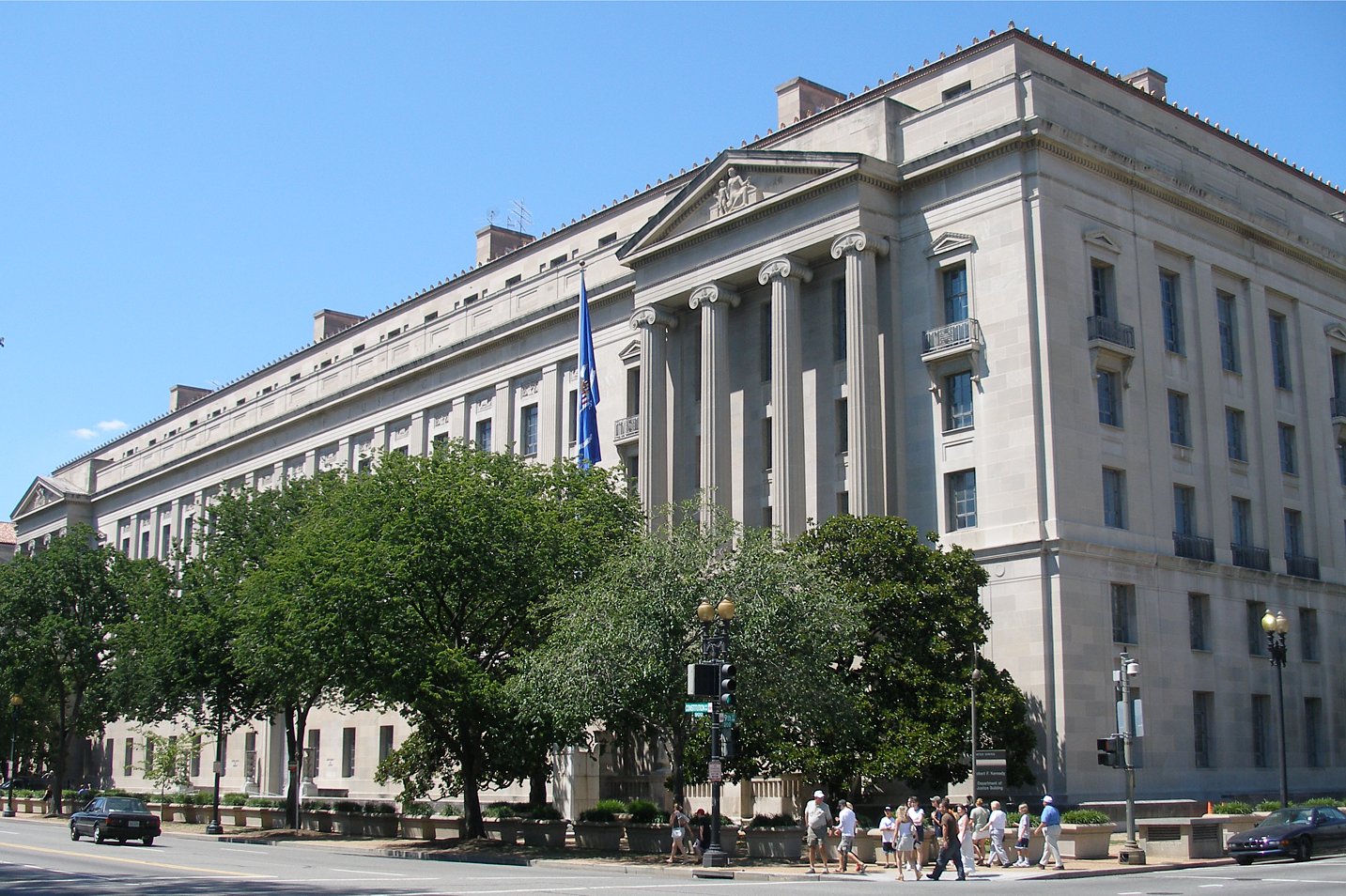
The department told CBS that it had released every document required by the law. It said material not made public was duplicative, unrelated to Epstein or protected by legal privilege.
That explanation has not ended the debate. Survivors, advocates and lawmakers have questioned whether the public can assess the release without knowing more about the roughly 3 million pages that were not disclosed.
The reporting identifies apparent gaps in several categories of records, not a single confirmed missing document that establishes misconduct by a particular official.
Gaps that are driving scrutiny
Among the issues flagged by CBS were email attachments that appear to be absent, no disclosed record of Signal communications, missing prison surveillance footage and limited material from agencies outside the Justice Department.
The archive also contains hundreds of thousands of Epstein emails, but CBS found that most came from an account he used after 2008. The release did not include most emails from older accounts, including an estimated 20,000 messages from one Yahoo account that had previously surfaced elsewhere.
It is unclear from the reporting whether the Justice Department ever obtained those older messages. That uncertainty matters: a file absent from a public database may not necessarily have been in the government’s possession, may fall outside the law’s scope or may be legally protected from release.
Those distinctions can sound technical, but they are central to the political dispute. “Missing” can mean omitted from publication, never collected by investigators, withheld under a legal exemption or unavailable for some other reason.
Redactions have raised separate concerns
The Epstein Files Transparency Act allows redactions intended to protect victims and private information. It also says reputational harm and political sensitivity are not valid reasons to withhold information.
CBS reported examples in which public figures’ names or images appeared to be redacted without an obvious justification under the law. In some cases, information was unredacted after CBS asked the Justice Department about it.
That does not by itself prove that every redaction was improper. It does show why members of Congress and outside observers are pushing for more detailed explanations of the department’s decisions.
The law requires written justifications for redactions, published in the Federal Register and submitted to Congress. CBS said the department had issued a general statement that its redactions were consistent with the act, rather than addressing each disputed example individually.
Why Blanche became part of it
The available source material establishes the broader controversy over the Epstein archive but does not lay out the specific legal theory behind the accusation directed at Blanche. It also does not identify the Democratic lawmaker described in the Raw Story headline.
That leaves an important gap between the political charge and the evidence currently described in the reporting. A lawmaker can argue that an official’s handling of records warrants investigation, oversight or disclosure; that is not the same as demonstrating illegal conduct.
For a claim of illegality to be substantiated, the public would need more than evidence that records are absent from a release. It would require a clear account of what Blanche personally did, what legal duty applied, whether records were intentionally withheld or mishandled, and what evidence supports that conclusion.
None of those findings is established in the CBS reporting summarized here. The Justice Department’s position remains that it has met its statutory disclosure obligation.
Congress is pressing for answers
Rep. Robert Garcia, the top Democrat on the House Oversight Committee, told CBS that lawmakers need to know what is in the unreleased material. His point was straightforward: if pages are duplicates, Congress should be able to assess that claim rather than simply accept it.
The Government Accountability Office has also opened an investigation into the handling of redactions, according to CBS. Members of Congress had requested that review.
Oversight of the release is complicated by the scale of the archive. Lawmakers have been allowed to review redacted material, but CBS reported that the process is time-consuming, and some members have complained that Justice Department personnel monitor their searches.
Those complaints do not resolve whether the department acted improperly. They do illustrate why transparency disputes can quickly become fights over process, access and public trust.
The unanswered issue is evidence
The Epstein case continues to generate exceptional scrutiny because the released records concern a convicted sex offender, his associates, federal investigations and his death in custody. That history creates a strong public demand for a complete and credible account.
Still, the record should be separated into two questions. One is whether the Justice Department has sufficiently explained the gaps, redactions and missing categories of material in the public archive. The other is whether Todd Blanche engaged in illegal activity.
The first question is being actively examined by journalists, lawmakers and the GAO. Based on the material available here, the second remains an allegation rather than a verified finding.
The next meaningful development would be a more specific account from the accuser, a detailed Justice Department explanation of withheld records, or results from congressional and GAO oversight. Until then, the controversy is real, but its most serious claim has not been publicly proved.
Leave a Reply