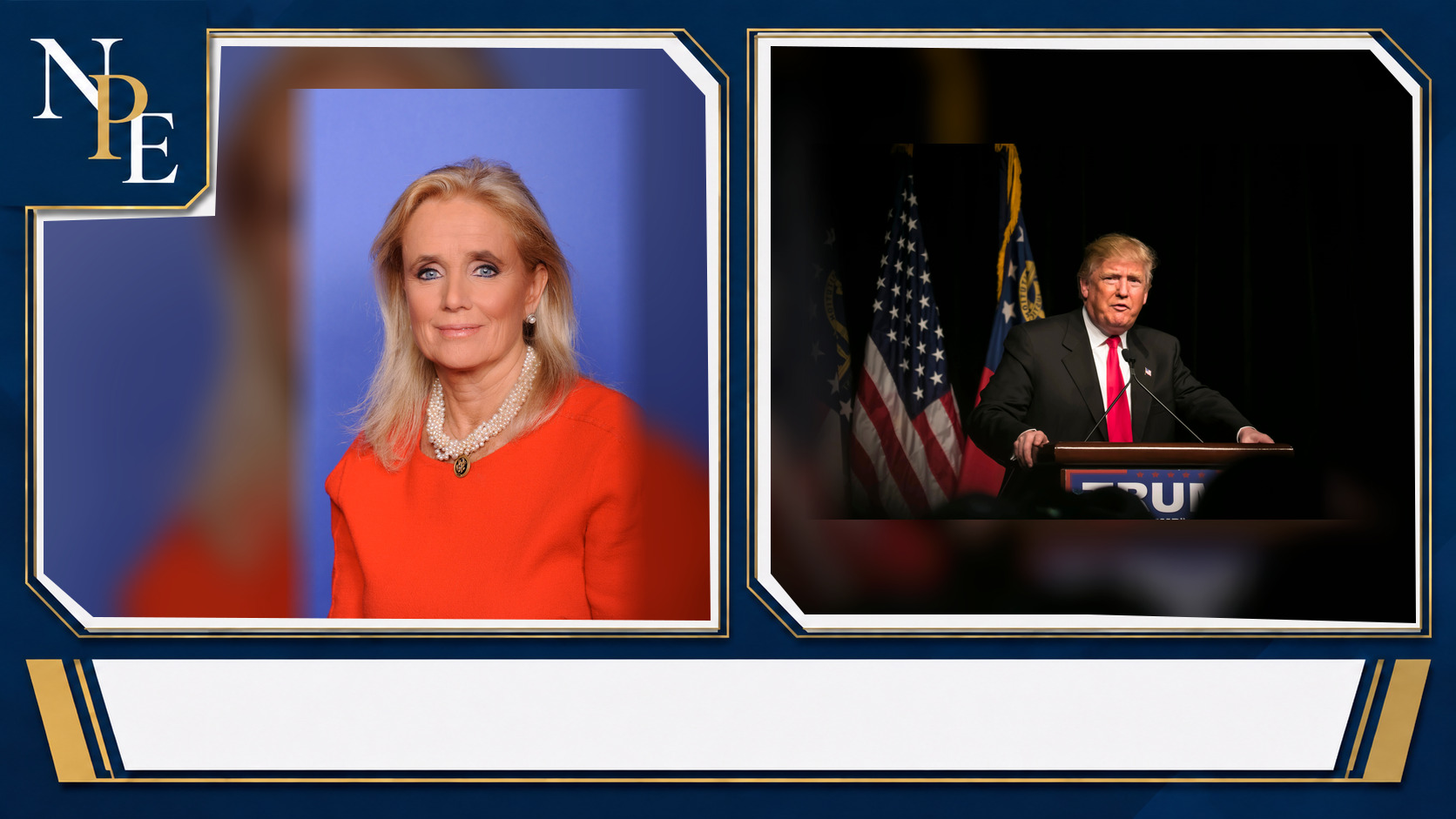
Dingell’s one-line response turned a dispute over a Great Lake into the latest flashpoint in Trump’s feud with Canada. It also pulled White House executive assistant Natalie Harp back into a political argument she and Trump allies have said has crossed personal lines.
Rep. Debbie Dingell criticized Donald Trump on Tuesday over his threat to rename Lake Ontario, after Trump suggested calling the Great Lake “Lake America” amid a trade dispute with Canada. Dingell proposed calling it “Lake Natalie,” a jab referencing White House executive assistant Natalie Harp and a pointed demand that Trump protect the Great Lakes.
The exchange is a small but revealing piece of a larger political fight. Trump’s Lake Ontario suggestion echoes his move to rename the Gulf of Mexico the Gulf of America, while Dingell’s response ties a naming dispute to environmental stewardship, Canada relations and the increasingly heated attention around Harp.
Dingell turns a name fight personal
The Michigan Democrat shared a screenshot of Trump’s Truth Social post and offered a sarcastic alternative. “Let’s just call it Lake Natalie so we know you’ll start protecting our Great Lakes,” Dingell wrote.
The wording made two arguments at once. On the surface, it mocked the prospect of changing the name of a lake shared by the United States and Canada. Underneath, it raised a more substantive concern for a lawmaker from a Great Lakes state: whether symbolic political fights are distracting from the protection of a vital freshwater system.
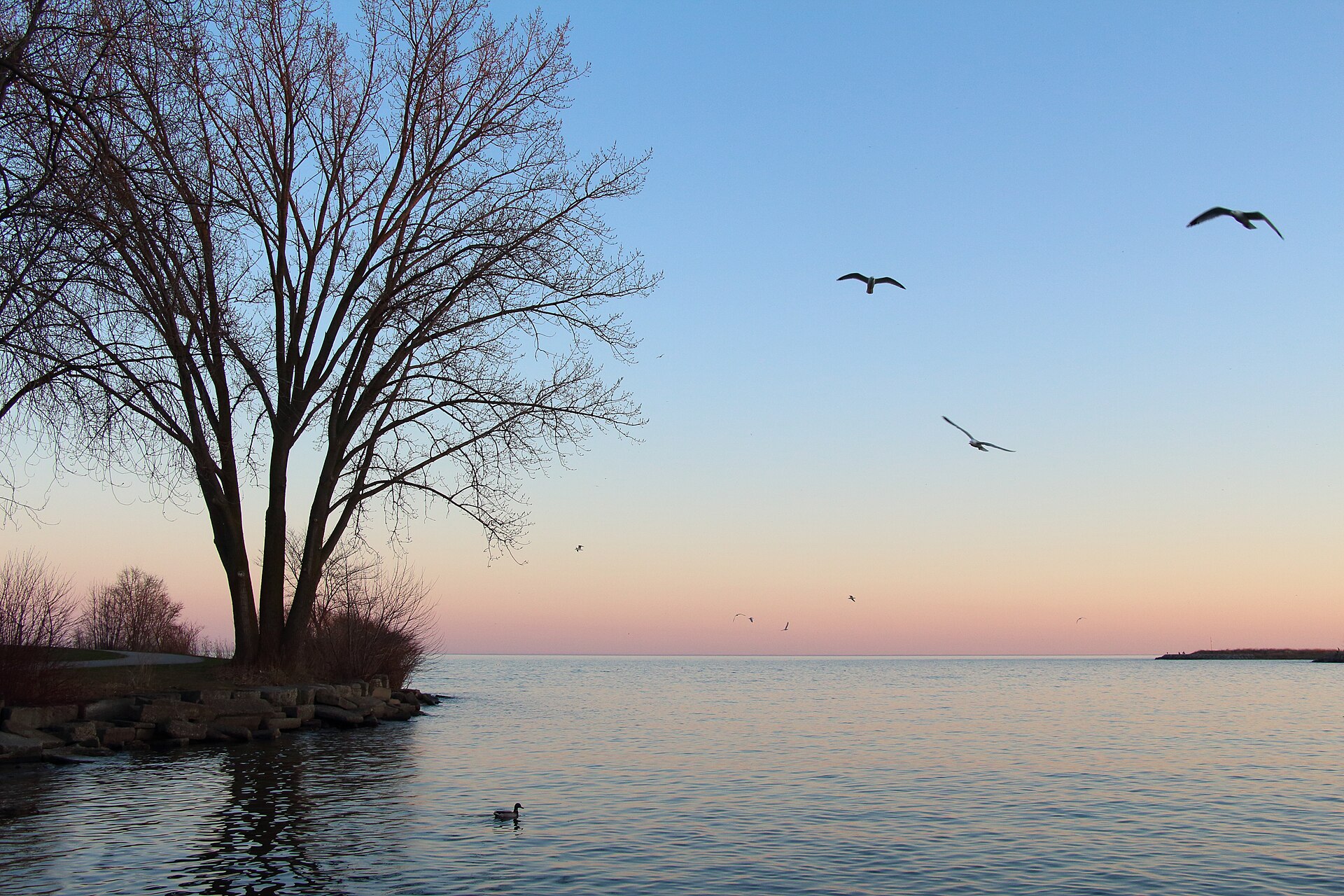
Lake Ontario is one of the five Great Lakes and sits along the U.S.-Canada border. Its shoreline reaches New York on the American side and Ontario on the Canadian side, making its name and management inherently international matters.
Trump floated “Lake America”
According to the post Dingell circulated, Trump said the United States was giving “serious consideration” to changing Lake Ontario’s name to Lake America. The suggestion emerged as his administration’s trade conflict with Canada continued.
Trump has often paired economic pressure with blunt language about America’s relationship with its northern neighbor. The Lake Ontario remark appears to extend that approach into symbolism, turning a familiar geographic name into another point of political friction.
There is no indication in the material available that a formal federal renaming process has begun. A president can influence how federal agencies use geographic names, but a change involving a lake shared with Canada would not erase the Canadian province’s name or obligate Canada to adopt U.S. terminology.
That distinction matters. A statement about “serious consideration” is not the same as an enacted policy, and the practical consequences of a U.S. naming change remain unclear.
The Gulf rename set the template
The Lake Ontario idea tracks with Trump’s earlier executive action directing the federal government to use “Gulf of America” instead of “Gulf of Mexico.” That decision established a clear political template: use a place name to signal a broader nationalist message.
Supporters of such changes can view them as an assertion of U.S. identity and presidential authority over federal terminology. Critics see them as costly distractions or as gestures that create avoidable diplomatic friction without addressing infrastructure, trade or environmental needs.
Lake Ontario poses a different challenge from the Gulf of Mexico because it is directly shared with Canada and bears the name of a Canadian province. The United States could alter its own official usage, but the lake’s established international identity would not be settled by a unilateral announcement.
Why Natalie Harp became the reference
Dingell’s “Lake Natalie” remark referred to Natalie Harp, a White House executive assistant who frequently travels with Trump and has become a visible figure in reporting about his inner circle. Her role has also made her a target of criticism from Democratic opponents.
Sen. Jon Ossoff, the Georgia Democrat, previously mocked Trump and Harp during a rally after reports that she traveled with the president on a separate aircraft following a NATO summit in Turkey. Those comments brought sharp pushback from Republicans.
Sen. Bernie Moreno, an Ohio Republican, called the discussion around Harp “super misogynistic.” Eric Trump also defended Harp as a “genuinely good person” and described the discourse about her as “absolute trash.”
That disagreement frames the limits of Dingell’s joke. Democrats argue that senior White House staff members and their public roles are legitimate subjects of political criticism. Republicans and Trump allies argue that commentary about Harp has too often moved from scrutiny of government work into personal insinuation.
A Great Lakes issue beneath the joke
Dingell’s closing phrase about protecting the Great Lakes was not incidental. The Great Lakes supply drinking water to tens of millions of people, support shipping and fishing economies, and face persistent concerns involving pollution, invasive species and aging water infrastructure.
For lawmakers in Michigan, New York and other Great Lakes states, the region’s water quality and ecological health are not abstract issues. That gives Dingell’s message a local political edge: a rename proposal can be portrayed as less urgent than work to safeguard the resource itself.
Trump’s supporters may counter that symbolic messaging and policy priorities are not mutually exclusive. But the exchange invites a straightforward comparison between rhetoric and measurable action, including funding, enforcement and cross-border cooperation on water issues.
Canada trade tensions remain central
The immediate backdrop is the administration’s dispute with Canada, not a routine debate over cartography. The two countries are deeply linked through trade, manufacturing supply chains, energy and border communities, so public confrontations can carry consequences beyond a single social-media post.
Canada and the United States also have longstanding reasons to cooperate on the Great Lakes. Water quality, commercial shipping, fisheries and invasive-species control all require coordination across the border, regardless of the name appearing on a U.S. government map.
Dingell’s line is unlikely to settle the trade dispute or determine Lake Ontario’s official name. It does sharpen the political choice both sides want voters to see: Trump casting conflict with Canada in forceful national terms, and Democrats arguing that the administration is prioritizing spectacle over stewardship and diplomacy.
For now, “Lake Natalie” remains a sarcastic counterproposal, while “Lake America” remains a suggestion rather than a confirmed policy change. The more consequential question is whether the dispute produces any concrete shift in U.S.-Canada relations or Great Lakes policy.
Leave a Reply