The fight is about more than museum labels and exhibits. It exposes a larger argument over whether national institutions can confront slavery and inequality without reducing the American story to political messaging.
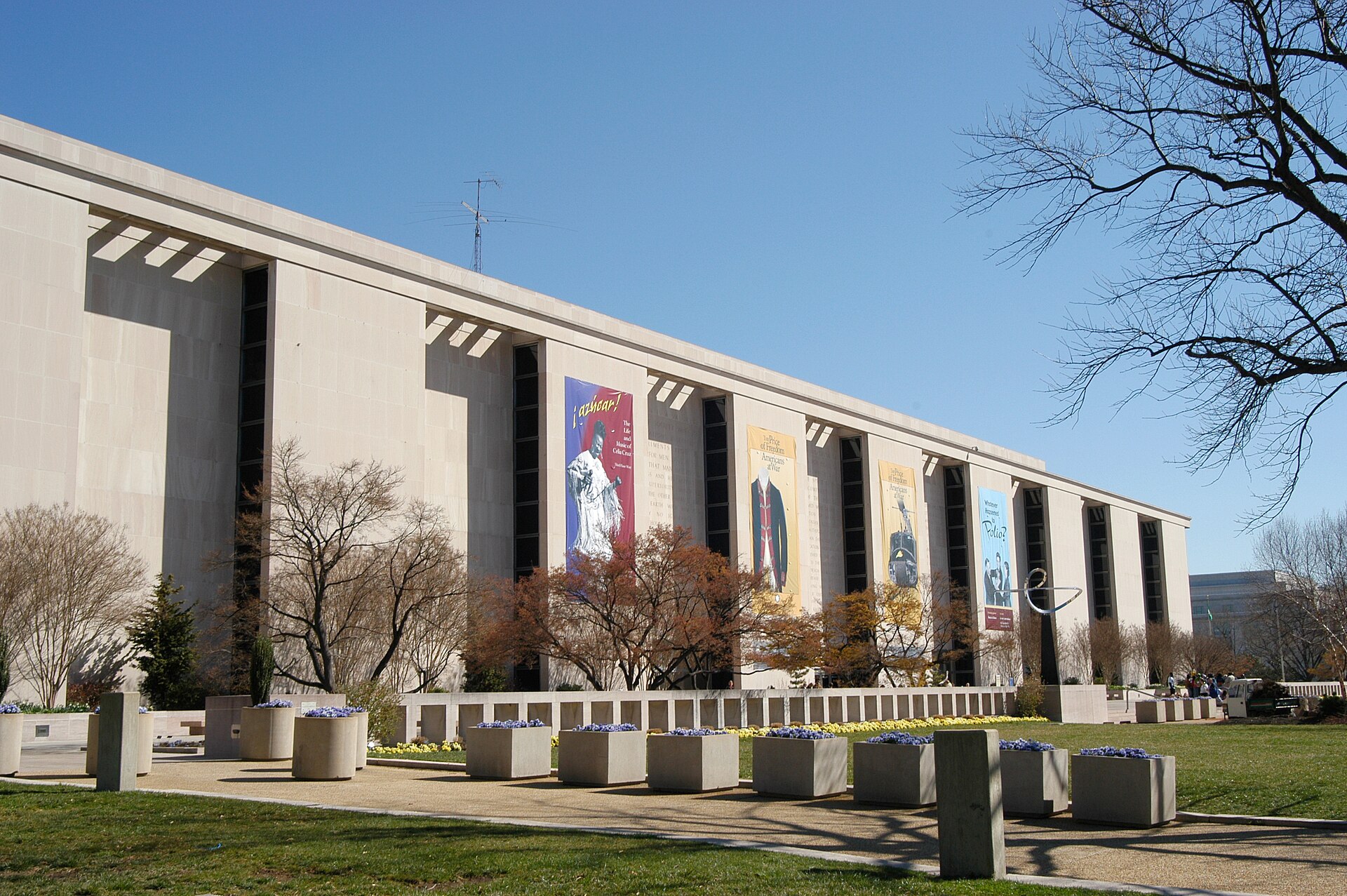
A person identifying as a descendant of enslaved people criticized the Smithsonian Institution over what they characterized as ideological or “woke” indoctrination. The dispute, centered on the National Museum of American History in Washington, concerns how the Smithsonian presents American history, slavery and the country’s achievements—and whether a fuller account of injustice amounts to political advocacy.
The criticism surfaced amid a congressional fight over Smithsonian programming, with Republican House members alleging that the museum has adopted a partisan framework. Smithsonian leaders have said their work follows standards of scholarship, accuracy, independence and nonpartisanship.
A fight over the national story
At the center of the disagreement is a question museums cannot easily avoid: Is it possible to tell a complete national story without making visitors uncomfortable?
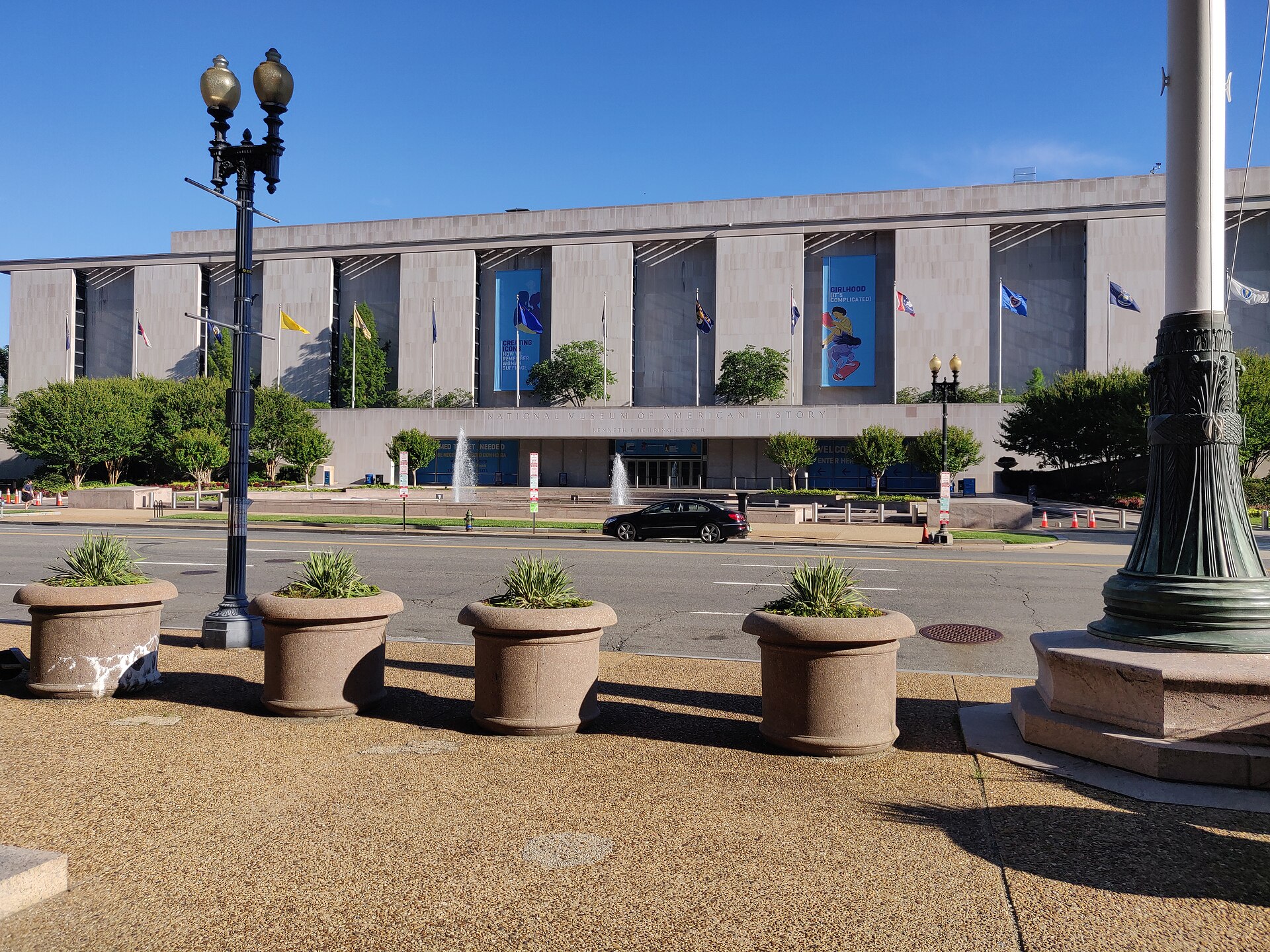
Critics say the National Museum of American History has leaned too heavily into themes of oppression, race, class, gender and sexuality, leaving too little space for the country’s democratic ideals, innovation and progress. They argue that a public institution supported in part by taxpayers should present history without trying to steer visitors toward a contemporary political conclusion.
Supporters of a more expansive historical approach would answer that slavery, segregation, exclusion and unequal power are not side stories. They are essential to understanding the United States, including its institutions, prosperity and continuing debates over citizenship and rights.
That is why the rhetoric around “indoctrination” carries so much weight. It does not simply challenge a particular exhibit label or school resource. It alleges that the institution’s underlying purpose has shifted from education to persuasion.
House hearing sharpened the criticism
The latest arguments were amplified by a House subcommittee hearing titled “Rewriting American History: Examining the Smithsonian’s Efforts to Reshape the Past.” A House Oversight Committee release described the session as an examination of allegedly divisive, inappropriate and inaccurate programming at the museum and the broader Smithsonian.
The committee release reflects the views of the hearing’s Republican critics, not an independent finding that the museum has engaged in indoctrination. Still, it offers a clear account of the allegations now driving the political dispute.
Witness Mike Gonzalez of the Heritage Foundation argued that Smithsonian leadership had made criticism of “American wickedness” central to its mission. Matthew Spalding of Hillsdale College said a national history museum should present the country “warts and all” while also giving visitors a coherent account of its accomplishments, triumphs and efforts to overcome injustice.
Those arguments overlap with the criticism attributed to the descendant of enslaved people: a belief that acknowledging slavery should not become a lens that eclipses every other part of the American experience.
The Smithsonian’s stated defense
Anthea Hartig, director of the National Museum of American History, offered a markedly different description of the museum’s role during the hearing. According to the House release, Hartig said the museum’s work is governed by Smithsonian standards of scholarship, accuracy, independence and nonpartisanship.
She said the museum does not take sides in America’s political debates and instead preserves and documents evidence of American life “in all of its breadth,” allowing the public to encounter the past and draw its own conclusions.
That distinction matters. Museums routinely make choices about what to display, whose accounts to foreground and how much context to provide. Critics may see those choices as ideological; curators may see them as necessary corrections to older narratives that minimized the experiences of enslaved people, Native Americans, women, immigrants and other groups.
The available material does not identify the descendant who criticized the Smithsonian or specify which exhibit, lesson, event or educational resource prompted that person’s remarks. Without those details, it is not possible to independently assess the particular claim or the language used in the programming at issue.
Why federal funding is part of it
The Smithsonian is unlike a typical private museum. It is a nationally prominent institution with federal support, congressional oversight and a vast public audience that includes tourists, families, students and educators.
The House Oversight release says the Smithsonian receives 62% of its funds from the federal government. That funding makes questions about mission and neutrality especially politically charged: lawmakers argue they have a responsibility to scrutinize how public money is used, while museum defenders warn that political oversight must not become political control over historical interpretation.
There is a legitimate tension here. Taxpayer-funded institutions need public trust and transparent standards. At the same time, history cannot be made neutral merely by avoiding topics that generate partisan conflict.
A museum that celebrates national achievements while barely addressing slavery would offer an incomplete record. A museum that presents the United States only as a system of injustice would also flatten a far more complicated story. The difficult work is to show how freedom and exclusion, achievement and failure, ideals and contradictions have existed together.
Words like “woke” obscure specifics
“Woke” has become a political catchall, often used to criticize institutions seen as emphasizing racial inequity, gender identity or systemic power. The label can signal a real concern about partisan advocacy, but it can also shut down debate before critics identify the specific factual error, omission or teaching method they object to.
The same problem can occur on the other side. Calling all criticism of museum framing “whitewashing” or hostility to history can ignore sincere concerns about tone, balance and age-appropriate presentation.
A more useful public debate would focus on concrete questions: Are exhibits historically accurate? Do they distinguish evidence from interpretation? Do visitors receive enough context to understand both the brutality of slavery and the democratic movements that challenged it? Are competing historical perspectives represented fairly?
Those questions are harder than trading ideological labels, but they are also more likely to produce standards the public can evaluate.
What remains unresolved
The House hearing and the descendant’s criticism have put the Smithsonian’s historical framing under a sharper political spotlight. They have not settled whether the National Museum of American History’s programming is biased, balanced or simply objectionable to some visitors.
For now, the competing accounts are clear. Congressional critics say the museum is reshaping the past through an activist lens. Smithsonian leadership says it is documenting the breadth of American life under professional standards of independent scholarship.
The unresolved question is whether the country can sustain a shared public history that makes room for slavery’s central significance without treating national achievement as propaganda—or treating patriotism as a reason to look away from the record.
Leave a Reply