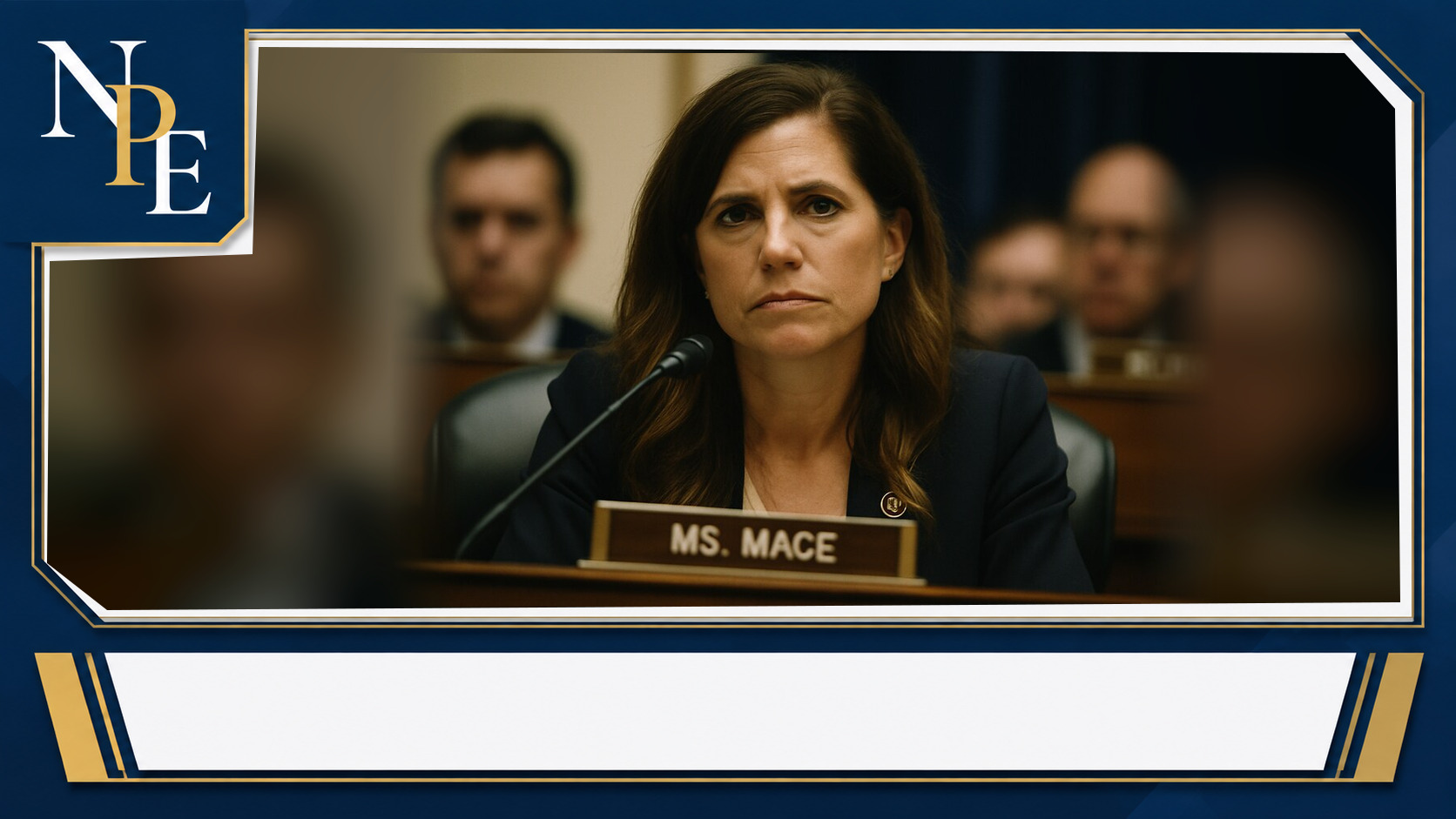
The dispute is about more than one inflammatory phrase. It raises questions about how elected officials talk about religious minorities and whether broad claims about a faith community can fuel mistrust of public servants.
Nancy Mace said every Muslim holding public office in America is a “Trojan horse,” prompting Democrats to criticize and condemn her remarks as anti-Muslim rhetoric. The backlash puts Muslim officeholders in the United States, including Rep. Pramila Jayapal, at the center of a dispute over whether political rhetoric is casting suspicion on an entire faith.
Democrats’ response is significant because Mace’s statement was not aimed at a particular official, vote or policy proposal. It described Muslims in public office as a group, turning a political argument into a broader question about religious identity and loyalty.
Why the phrase drew condemnation
“Trojan horse” is a loaded political label. It suggests someone appears harmless or trustworthy while secretly working to undermine an institution from within.
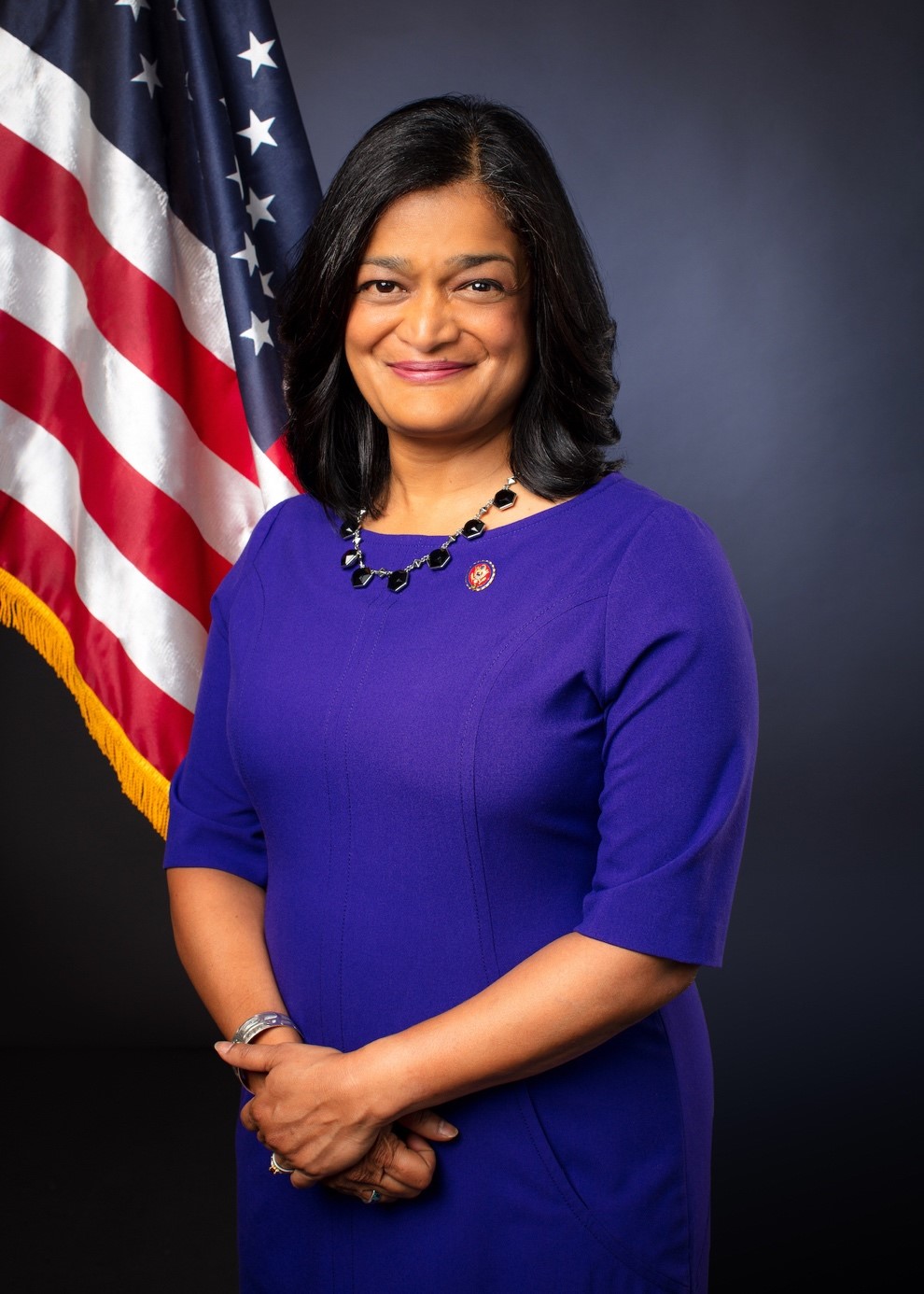
Applied to every Muslim in public office, the phrase implies that religious identity itself is evidence of a hidden threat. That is the core of the Democratic criticism: officials said the remark stigmatizes Americans based on their faith rather than their conduct, policy positions or public record.
There is a major difference between challenging an elected official over legislation and declaring an entire religious group inherently suspect. The first is routine democratic disagreement. The second can make participation in public life feel conditional for people who share that faith.
Critics also argue that sweeping statements have consequences beyond the immediate political exchange. They can affect how constituents view teachers, judges, local officials, candidates and neighbors who are Muslim.
Muslim representation is the issue
The controversy is not limited to Congress. Muslim Americans serve in elected offices and public-facing roles across the country, from local government to state legislatures and federal office.
Pramila Jayapal, a Democratic representative from Washington, is among the best-known Muslim members of Congress. Her name matters in this debate because the dispute concerns people whose religious identity is visible in political discourse but whose jobs require them to represent constituents of every background.
Democrats have framed Mace’s remarks as an attack on the legitimacy of Muslim civic participation. Their position is that a Muslim American does not become less entitled to seek office, vote on legislation or serve the public because of their religious beliefs.
That argument rests on a basic democratic principle: officeholders can and should be judged for their decisions and records, but not presumed disloyal because they belong to a particular religion.
Religious freedom is central
The United States Constitution bars religious tests for public office. The First Amendment also protects the free exercise of religion while preventing the government from establishing an official faith.
Those protections do not prevent sharp criticism of an elected official’s actions. Members of the public are free to challenge any lawmaker on issues such as foreign policy, education, immigration, civil rights or national security.
But the constitutional tradition behind those protections rejects the idea that holding a particular faith should disqualify someone from public trust or public service. That is why comments about the loyalties of an entire religious group often trigger an especially strong response.
A separate congressional statement led by Democratic lawmakers opposing what it called the “Sharia-Free America Caucus” made a similar point. The lawmakers said American Muslims are entitled to the same constitutional protections as other Americans and should not be singled out by legislation or political narratives aimed at a faith community.
A familiar political fault line
Arguments over Islam, religious practice and public power have appeared repeatedly in American politics. Some advocates of restrictions framed around “Sharia” say they are trying to guard against legal or cultural changes they oppose.
Opponents counter that U.S. constitutional and statutory law already governs civil and criminal matters, making broad anti-Sharia proposals unnecessary and potentially discriminatory. They also note that sharia can refer to personal religious and ethical guidance, much as other faith traditions have internal religious frameworks.
The Democratic congressional statement described anti-Muslim legislation as rooted in Islamophobic narratives rather than an identified policy need. It argued that such efforts risk treating one religion as uniquely threatening.
Mace’s wording lands directly in that long-running debate. Supporters of hard-line rhetoric may see it as an expression of concern about ideology or security. Her critics say the statement goes further, because it characterizes all Muslim officeholders as covert dangers rather than identifying a specific action or belief for scrutiny.
What remains unclear about Mace’s remarks
The available material establishes the substance of Mace’s statement and the Democratic condemnation, but it does not provide the full setting of her remarks, a longer transcript or a detailed response from Mace explaining what she meant.
That missing context matters when assessing whether she sought to clarify, defend or narrow the statement after the backlash. It also leaves open whether the controversy will lead to a formal congressional response, a campaign issue or a shorter-lived social-media dispute.
Still, the immediate disagreement is clear. Democrats say Mace’s characterization of Muslim public officials promotes anti-Muslim suspicion. The debate now turns on a larger question: whether political leaders can raise concerns about policy and ideology without assigning collective suspicion to Americans because of their religion.
For Muslim public officials, the stakes are personal as well as political. They are expected to answer for their own records, like every other officeholder. The backlash to Mace reflects the view that they should not also have to answer for a presumption of hidden disloyalty attached to their faith.
Leave a Reply