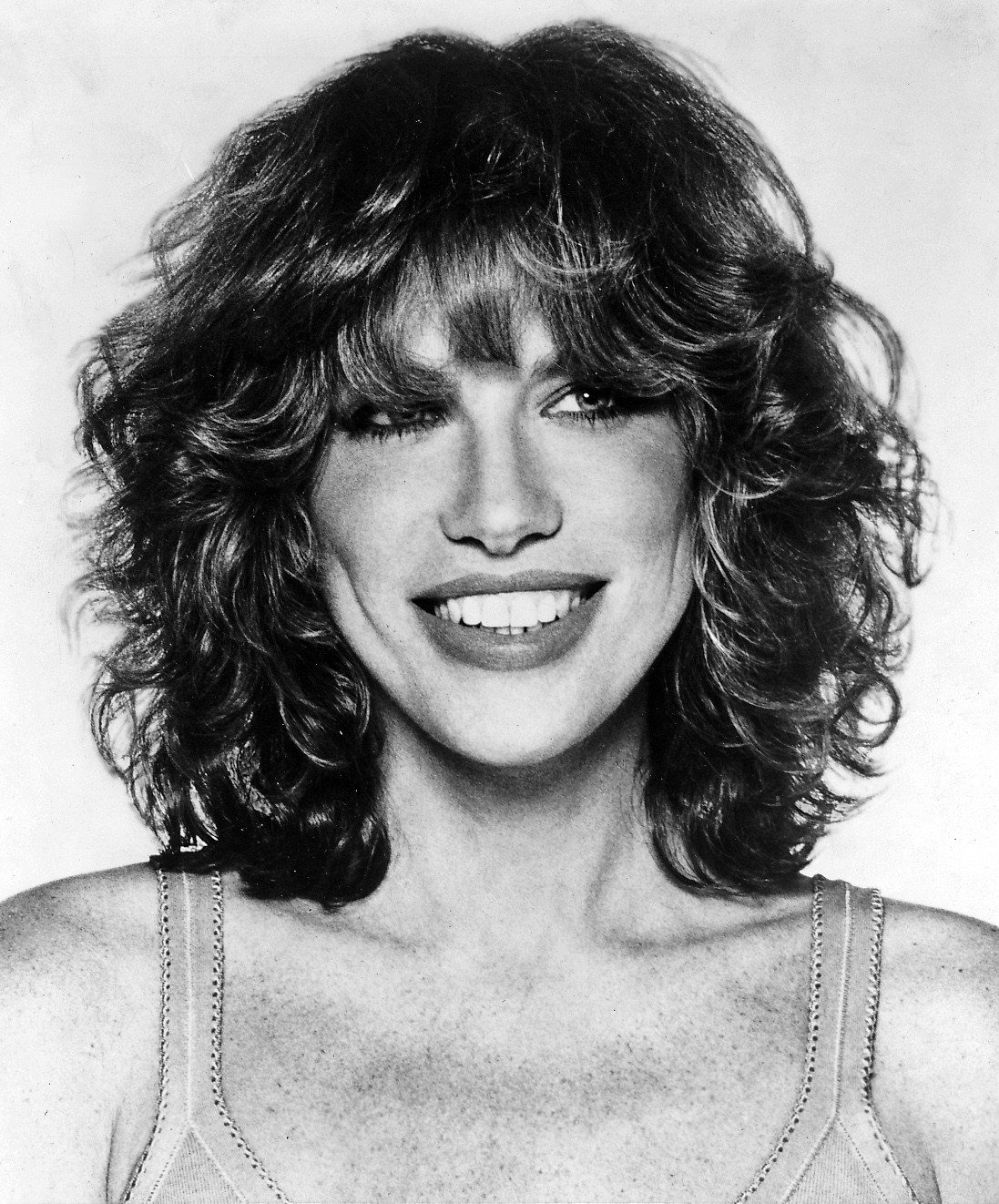
The singer says her recent silence was not withdrawal from music but a private adjustment to a difficult diagnosis. Her disclosure puts a familiar face on a disease that affects millions and varies widely from person to person.
Singer Carly Simon has been diagnosed with Parkinson’s disease, and on Monday, July 27, 2026, Carly Simon publicly revealed the diagnosis after fans asked about her relative silence. The 83-year-old songwriter said she is learning to live with the disease and also recently received treatment for skin cancer.
The disclosure matters beyond celebrity concern: Simon is describing the uneven daily reality of Parkinson’s, a progressive neurological disease, while preparing to release new original music after years away from that kind of public moment.
Simon explains her silence
Simon shared the diagnosis in a statement provided to The Associated Press, saying people had written to her with kindness and concern, wondering how she was and what she had been doing.
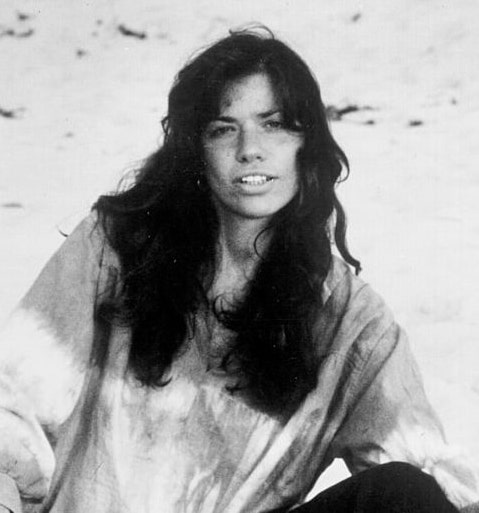
Her answer was direct: she has been learning how to live with Parkinson’s disease. That phrasing is important. Simon did not present the diagnosis as a single event already behind her, but as an ongoing adjustment that affects how she moves, works and decides when to be seen.
She also made clear that going public was not automatic. Simon said it took time to understand the diagnosis, adjust to it and decide how much she wanted to say publicly.
For a performer whose voice and image have been part of American pop culture for decades, that hesitation is understandable. A health disclosure can bring support, but it can also turn a private medical reality into a public narrative that other people try to finish for you.
Mobility problems led to answers
According to the AP, Simon had been dealing with arthritis in one hip and both knees. Those issues led to replacement surgeries for all three joints, but her mobility continued to worsen.
At times, she said, she could not walk without considerable help. Simon said she and her family knew something more was happening, and after an extensive evaluation at the Mayo Clinic, she was diagnosed with Parkinson’s.
That sequence helps explain why the news may feel sudden to fans, even though it was not sudden for Simon. Declining mobility, surgery and recovery can blur together from the outside. From the inside, she was trying to sort out what belonged to arthritis and what pointed to something else.
Simon described Parkinson’s as unpredictable in her own life. Some days, she said, fatigue makes it hard to get the day moving at all. On other days, she has more room to move, think, work and feel like herself.
What Parkinson’s can change
Parkinson’s disease is a neurological condition that affects movement. It is commonly associated with tremors, but tremor is not the whole story. People may also experience slowed movement, stiffness, balance problems, a shuffling gait or changes in speech.
The Parkinson’s Foundation estimates that about 1 million people in the United States and 10 million people worldwide are living with the disease. It most often appears after age 60, though younger-onset cases also occur.
The exact cause is not known. Parkinson’s develops as brain cells that produce dopamine, a chemical messenger involved in movement, deteriorate and die.
There is no cure, but treatments can help manage symptoms. The AP noted that options include medications that affect dopamine levels, surgically implanted devices used for some tremors, and physical or occupational therapy. Simon said she has begun treatment, including medication for stiffness and other symptoms.
Skin cancer added another hurdle
Simon also disclosed that she was treated for basal cell carcinoma, a common form of skin cancer, on her face around the same period. She said she had surgery and that the cancer was removed.
The medical outcome was important, but Simon also described the emotional aftermath. She said the surgery affected her appearance and made her more self-conscious about being seen in public.
That detail adds another layer to her absence. Fans may interpret silence as retirement, avoidance or mystery. Simon’s statement suggests something more ordinary and more human: illness, surgery, recovery, changed confidence and the private work of deciding when to reappear.
It also points to a tension in celebrity health news. Public figures can help normalize difficult diagnoses, but they should not have to make every symptom, treatment decision or image change available for public inspection.
Music gave days a shape
Simon is not only explaining what has limited her. She is also talking about what has helped her keep going.
She said music has been a salve during this period. On Aug. 14, she is set to release Comes in Waves, described by the AP as her first album of original songs since 2008.
That timing changes the frame of the announcement. This is not simply a health bulletin from a retired star. It is also a statement from an artist returning with new work while acknowledging the physical uncertainty around that return.
Simon said working on music gave shape to days that did not always have much shape, and gave her somewhere to go without having to leave the room. The line is striking because it avoids easy triumph. She is not saying illness disappears when art arrives. She is saying art can hold part of a day together.
The careful takeaway
For readers who grew up with Simon’s songs, the news will land emotionally. She is linked to hits including Nobody Does It Better, and her work has long carried a mix of glamour, wit and vulnerability.
But the most useful way to read her disclosure is not as a final verdict on her health. Parkinson’s varies widely. Simon herself emphasized that it does not follow a tidy schedule or respect a calendar.
What remains unclear is how much she will choose to appear publicly around the new album, how her symptoms will affect promotion and performance, and how much more she wants to share. Those are decisions Simon is leaving, appropriately, to herself and her family.
For now, the core news is plain: Carly Simon has Parkinson’s disease, has come through a recent skin cancer treatment, and is still making music. Her statement does not turn illness into inspiration on command. It does something quieter and more honest: it lets fans know where she has been, without reducing her to what she is facing.
Leave a Reply