
The BBC wants evidence from Donald Trump Jr., Ivanka Trump and Jared Kushner as it fights the president’s defamation case. The clash turns a dispute over a TV documentary into a test of how far discovery can reach into a president’s inner circle.
Donald Trump accused the BBC of harassing his family after the broadcaster sought documents and testimony from Donald Trump Jr., Ivanka Trump and Jared Kushner in his $10 billion defamation lawsuit in Florida. The BBC says the relatives may have personal knowledge relevant to Trump’s claims over a Panorama documentary and the speech he delivered before the January 6, 2021 Capitol attack.
The dispute matters because the BBC’s request reaches beyond the president himself into his closest family advisers. Trump’s legal team calls that an abuse of the deposition process; the BBC’s court filing argues the proposed witnesses could help establish the facts behind the very lawsuit Trump brought.
The subpoenas at the center
Court filings say lawyers working for the BBC tried in May to serve subpoenas on Trump Jr., Ivanka Trump and Kushner. A subpoena can require a person to provide records, answer questions under oath or both, subject to court procedures and potential objections.
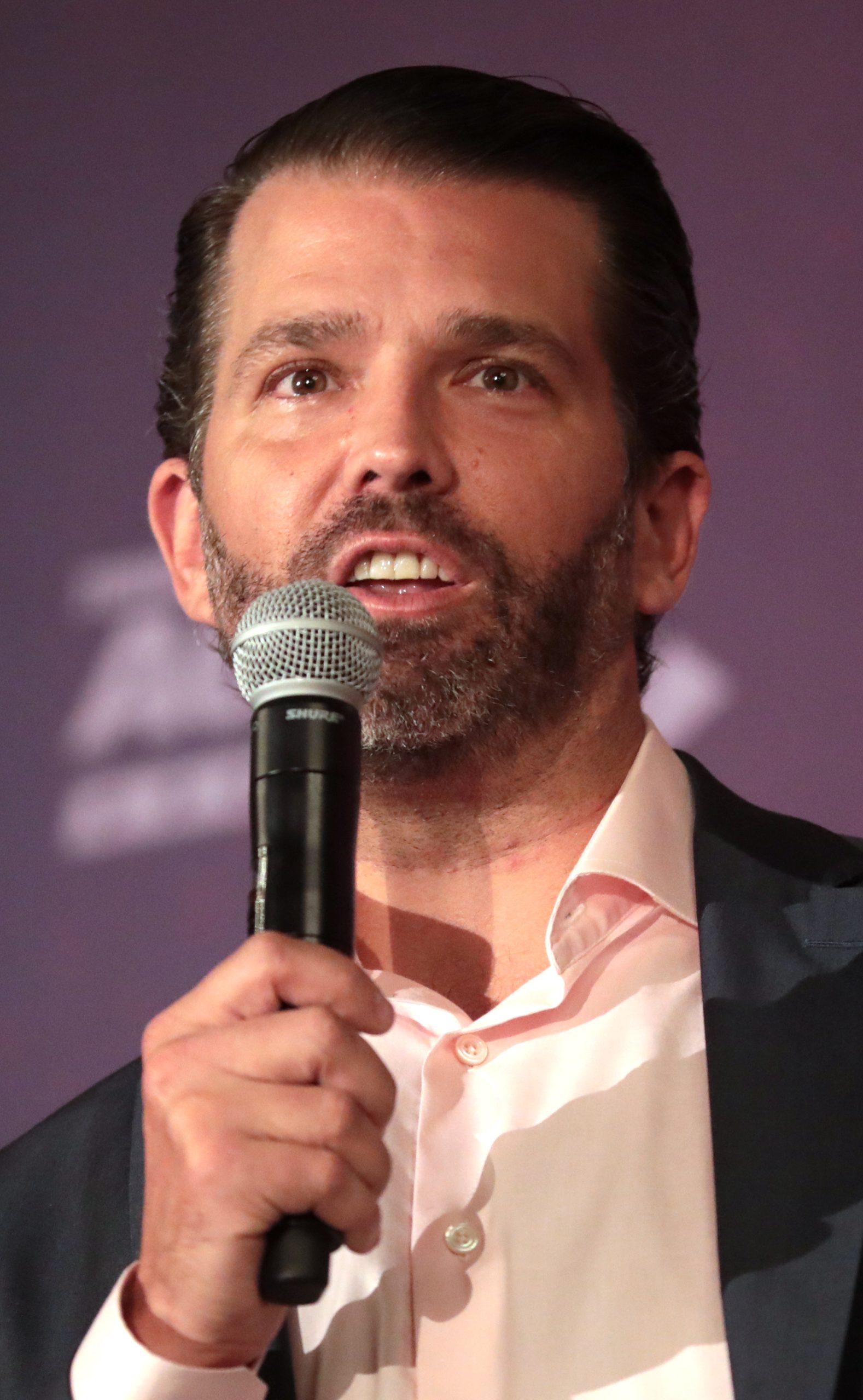
The BBC has asked a court for permission to serve the family members by email and certified mail after its earlier attempts at personal service did not succeed, according to the filing.
One attempt involved the Florida home of Ivanka Trump and Kushner. The filing says a representative was refused entry at a police checkpoint and later told that the Secret Service could not accept the documents. Efforts to serve Trump Jr. at Trump Tower in New York also did not result in delivery, the filing says.
Why the BBC wants family evidence
The broadcaster’s lawyers contend that Trump’s relatives have “personal knowledge” of his intentions when he revised and delivered the speech at issue. That argument is central: a party seeking testimony must show why it could be relevant to claims or defenses in the case.
The filing cites evidence previously assembled by a congressional committee and says Trump Jr. and Ivanka Trump were present as their father revised and delivered the speech. It also says Kushner drafted a proposed statement that would have condemned violence.
The BBC is not arguing that family connections alone justify discovery. Its position, as described in the filings, is that their alleged proximity to the speech and its preparation could make their testimony or documents material to questions the case raises.
That does not mean a court will automatically require broad questioning or every requested document. The relatives can contest the requests, and judges can limit, modify or deny discovery they find irrelevant, overly burdensome or otherwise improper.
Trump team calls it harassment
A spokesperson for Trump’s legal team said the BBC had intentionally defamed the president and was now “seeking to harass him, his family, and supporters by abusing the deposition process.” The statement accused the broadcaster of trying to divert attention from what the team calls its liability.
The accusation is a litigation position, not a judicial finding. The available court filings describe the BBC’s reasons for seeking the evidence, while Trump’s side describes the same effort as unnecessary and improper pressure on people close to him.
That tension is common in high-profile civil cases. Parties often characterize aggressive discovery as essential fact-finding when they seek it and as harassment when they oppose it. The legal question is narrower than the rhetoric: whether the requested material is sufficiently connected to disputed issues in the case.
The Panorama edit behind the case
Trump sued the BBC and related entities last December over a 2024 episode of Panorama. His Florida lawsuit alleges that the program intentionally, maliciously and deceptively edited together two separate portions of his January 6, 2021 speech.
The BBC has apologized for an editing error that it said created the mistaken impression that Trump had made a direct call for violent action. But the broadcaster has denied that the edit meets the legal standard for defamation.
Its defense has also challenged whether the program was available in the United States in the ways Trump initially alleged. According to the BBC report, Trump’s lawyers later acknowledged they had no evidence that the documentary appeared on BritBox, BBC.com, BBC Select or through U.S. broadcasters.
That availability issue could be consequential in a Florida defamation case, because courts may examine where and how an allegedly defamatory program was published, as well as whether the plaintiff can show legally recognizable harm.
Damages claims face scrutiny too
The BBC has also sought some of Trump’s financial records as it examines his claim that the documentary harmed his business interests. Trump’s legal team said producing those records would cause irreparable harm.
Financial evidence can become a major point of conflict when a plaintiff seeks substantial damages. A claimant’s asserted business losses may be relevant to proving damages, while the claimant may argue that sensitive records deserve protection or are beyond the proper scope of discovery.
The family subpoenas and financial-record requests therefore fit into the same broader contest: the BBC is seeking evidence to challenge Trump’s factual narrative and claimed losses, while Trump’s side is seeking to restrict what it views as intrusive demands.
What the court has yet to decide
The BBC press office declined to comment on the subpoena request, according to the report. The court still must address the broadcaster’s request to use alternative service methods, and any objections from the family members could shape what happens after that.
Trump has agreed to drop the BBC’s commercial arm, BBC Studios, from the case after the company argued it had no role in producing the documentary. The main dispute with the BBC remains active, although the broadcaster has asked the court to dismiss it.
A trial is scheduled for February 2027 if the case proceeds that far. Before then, the court may decide whether Trump’s relatives must participate, how much financial information must be disclosed and whether the lawsuit clears the legal hurdles needed to reach a jury.
For now, Trump’s harassment accusation and the BBC’s request present competing accounts of the same legal maneuver: one side sees a justified search for relevant evidence, while the other sees an unjustified expansion of the case into the president’s family.
Leave a Reply