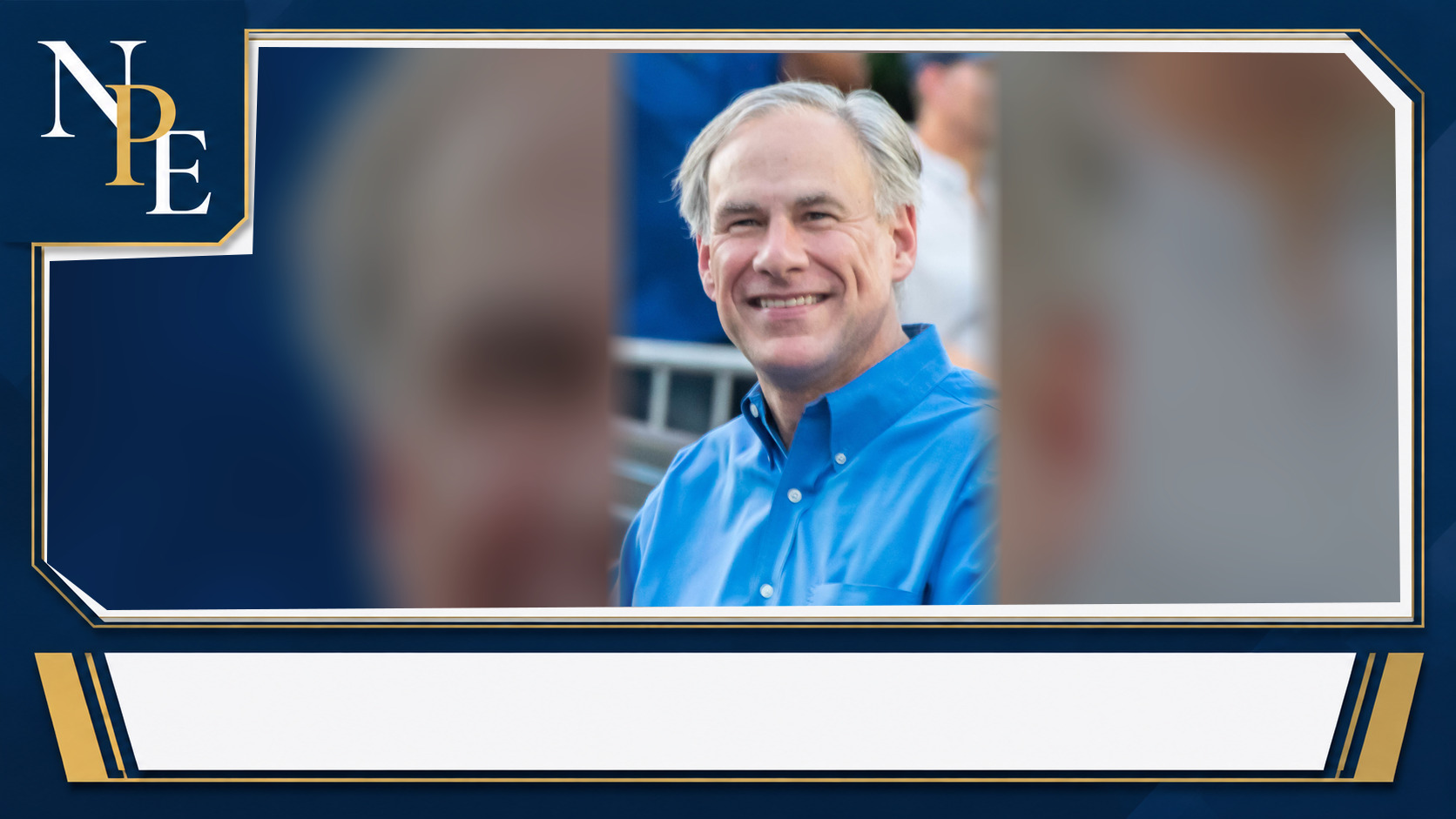
The polling offers Democrats signs of competitiveness in major 2026 contests, but it does not show a settled path to victory. Hinojosa’s 48%-43% matchup with Gov. Greg Abbott illustrates both the opportunity and the distance left to close.
James Talarico and Gina Hinojosa are leading Democratic contenders in Texas statewide races, according to new polling that has put both lawmakers at the center of the party’s 2026 strategy. The poll shows Hinojosa trailing Republican Gov. Greg Abbott 48% to 43% in a potential governor’s race, while Talarico is drawing attention in the Democratic contest for U.S. Senate.
Those numbers matter because Texas Democrats have not won a statewide office since the 1990s. A five-point governor’s gap is not a lead, but it is close enough to make candidate strength, turnout and voters still making up their minds central to the campaign ahead.
Two races, two tests
Talarico, a state representative from the Austin area, is competing for the Democratic nomination for U.S. Senate. The race is tied to a broader Republican contest that has included Sen. John Cornyn, Attorney General Ken Paxton and Rep. Wesley Hunt.
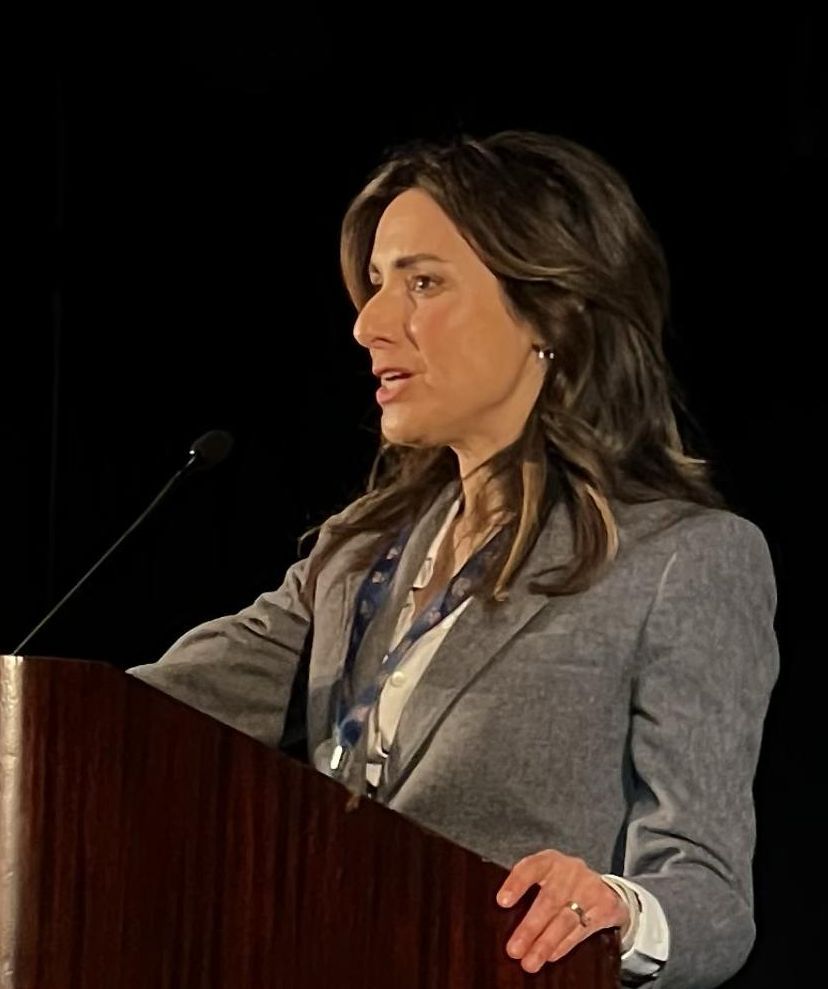
Hinojosa, also a state representative from Austin, is running in the Democratic primary for governor. Her potential November matchup with Abbott is a more direct measure of whether Democrats can turn a competitive poll into a serious statewide challenge.
The headline result for Hinojosa is straightforward: Abbott leads 48% to 43%. That leaves Abbott ahead, but it also places the contest within a range where late decisions, turnout and campaign spending could matter.
Hinojosa’s independent-voter opening
The Texas Tribune’s polling summary said Hinojosa led Abbott among independents by 13 points. That is a notable finding in a state where statewide contests are usually decided by partisan coalitions, but where independents can be decisive if a race tightens.
It also helps explain why a Democrat can be behind overall while still have a plausible argument for competitiveness. Republicans retain a major advantage with Republican voters, and Democrats need more than their own base to win statewide.
Still, subgroup findings require caution. A poll can identify a meaningful trend among independents, but those results carry more uncertainty than the full-sample result because they are based on fewer respondents. The ultimate question is whether that apparent advantage persists as voters see more advertising, debates and attacks.
Talarico faces a different calculation
Talarico’s Senate path is shaped by both a Democratic primary and the possibility of facing a Republican nominee who emerges from a hard-fought intraparty battle. His profile has grown beyond the Texas House through viral speeches and an outspoken political style, giving him a potentially different route to voter recognition than many statewide Democrats have had.
A University of Houston Hobby School of Public Affairs survey released earlier in the 2026 cycle found Rep. Jasmine Crockett ahead of Talarico in the Democratic Senate primary, 47% to 39%, with 12% undecided. That earlier result is a reminder that polling snapshots can point in different directions depending on timing, question wording and the electorate surveyed.
The newer polling attention around Talarico should not be read as proof that the nomination is settled. It does show why Democrats are watching the Senate race closely: a nominee with strong favorability, room to grow in name recognition and appeal beyond core Democratic voters could change the shape of the fall contest.
Why 48% to 43% matters
For Abbott, a 48% showing against Hinojosa is an advantage, not a warning of defeat. Incumbents typically begin with broader name recognition, established fundraising networks and a clearer public record for voters to assess.
For Democrats, 43% is meaningful because it suggests Hinojosa is not starting from the kind of overwhelming deficit that often defines Texas statewide polls. The party’s task is to convert a competitive early number into durable support among independents and irregular voters without losing enthusiasm among its base.
Texas voters’ concerns could complicate that effort. In the University of Houston survey, 46% of likely general-election voters named inflation and the cost of living as their most important issue for the 2026 vote, while 29% chose jobs and the economy. Those findings put pressure on every candidate to offer an economic case that reaches beyond familiar partisan messages.
Recognition remains a campaign currency
Polling earlier this year also showed that voters did not know Talarico as well as some better-known political figures. In the Hobby School survey, 66% of likely general-election voters said they knew enough about him to hold an opinion, compared with 81% for Crockett and higher figures for Cornyn and Paxton.
That creates both a hurdle and an opening. Lower recognition can make it harder to consolidate support quickly, but it also means voters who have not formed a firm view can still be persuaded by a campaign, debates and sustained media attention.
Hinojosa has a parallel challenge. Her polling against Abbott gives her a case for viability, yet it also means she would need to introduce herself to voters across a state as large and expensive as Texas while taking on an incumbent with a well-established brand.
The poll is a starting line
No single survey can predict a November result, especially before party nominees are fully settled. Poll results can shift when candidates begin statewide advertising, opposition groups define their rivals, and voters focus more closely on the choices in front of them.
The clearest takeaway is that Talarico and Hinojosa have become important tests of Texas Democrats’ ability to compete in different kinds of statewide races. Talarico’s Senate bid will hinge on winning over Democratic primary voters and preparing for a bruising general election. Hinojosa’s 48%-43% showing against Abbott gives Democrats a measurable opening, even as it confirms that the governor begins ahead.
For now, the numbers offer Democrats something they have sought for years: evidence of a contest worth building around. Whether that becomes a statewide breakthrough will depend less on an early poll than on who turns interest into votes.
Leave a Reply