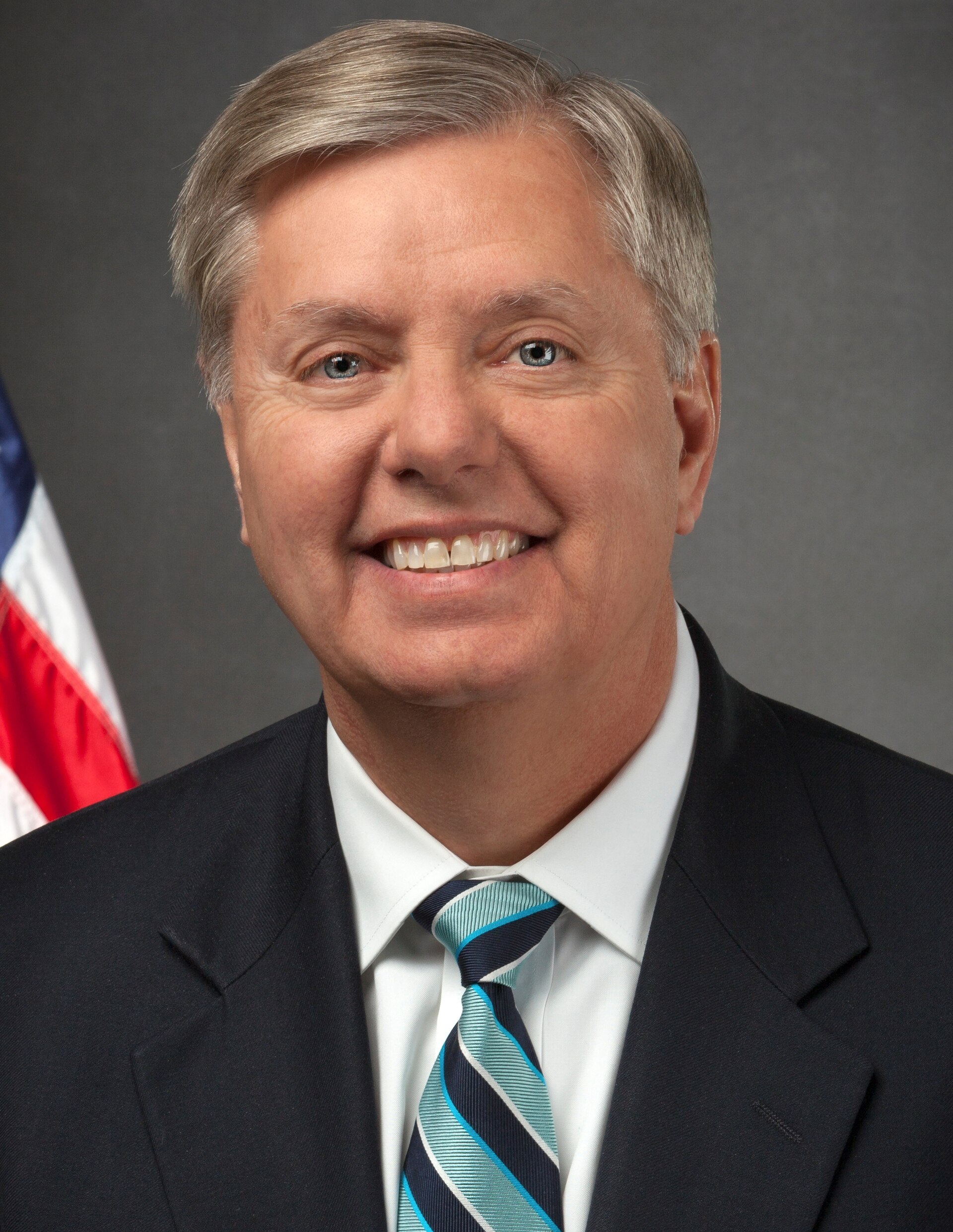
The unfinished film reportedly captures a senator operating like a shadow diplomat at the center of U.S. foreign policy fights. Its most explosive material involves Iran, Trump-era power brokers and Graham’s own view of the game he was playing.
The new Lindsey Graham documentary Lindsey’s Game has surfaced eight striking revelations from newly surfaced footage, according to Newsweek’s summary of reporting by The Wall Street Journal. The footage reportedly shows Graham, Donald Trump, Benjamin Netanyahu and other leaders as the South Carolina Republican pressed for war with Iran and moved through private channels of power.
The material matters now because it presents Graham not only as a senator with strong foreign-policy views, but as an actor trying to shape war, diplomacy and presidential decisions in real time.
The film’s central tension
The documentary was filmed by Alex Holder, who previously gained attention for access-driven political projects. Newsweek reported that the footage covers three years and that the Journal reviewed hundreds of hours of raw material while also speaking with Holder.
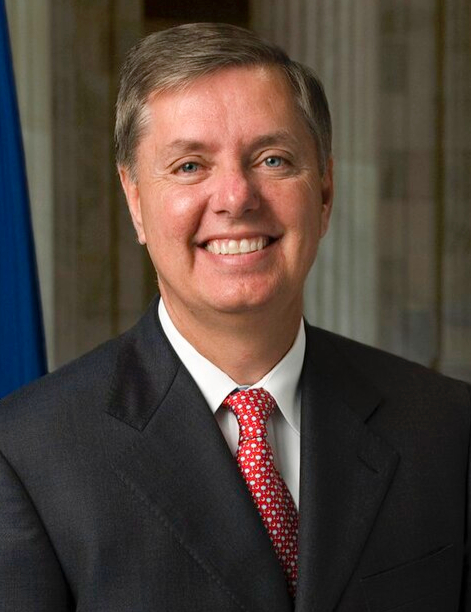
According to that account, the camera was sometimes only feet away while Graham made calls involving Trump, Netanyahu, Saudi Crown Prince Mohammed bin Salman, Ukrainian President Volodymyr Zelensky and former national security adviser Jake Sullivan.
That access is the hook. The larger question is what the footage reveals about a senator working outside the formal chain of diplomacy while trying to influence some of the most volatile issues in U.S. foreign policy.
Eight claims at the core
The reported revelations are not all equal in consequence, but together they sketch a portrait of Graham as unusually open about power, war and proximity to global leaders.
- Netanyahu reportedly warned Graham off a wider push. The footage is said to show Netanyahu talking Graham out of urging Trump to expand U.S. involvement into Lebanon while the Iran conflict was unfolding.
- Graham reportedly celebrated U.S. strikes on Iran. The account says he reacted emotionally and positively when the campaign began, and described Trump as thrilled by the operation.
- He had unusually direct access to Mohammed bin Salman. Holder told the Journal that Saudi officials treated Graham with the ceremony normally reserved for a head of state.
- He criticized certain Trump-aligned intermediaries. In a discussion with Jake Sullivan, Graham reportedly said Jared Kushner and Steve Witkoff were too conflicted to be effective channels on Middle East diplomacy.
- His timeline for Iran proved wrong. Graham reportedly predicted Iran would begin losing control of major cities within weeks, a scenario the account says did not happen months later.
- He later faulted Trump for easing up. By June, Graham was reportedly complaining that Trump was letting the war “slip away” after a preliminary deal with Iran.
- He described the work as a kind of game. Holder said Graham framed his diplomatic role in strikingly candid terms, including how he would spin the documentary if it helped or hurt him.
- The footage shows a senator running on fumes. In his final weeks, Holder said Graham looked exhausted while still insisting he had too much unfinished work to die.
Trump and Netanyahu loom large
The Trump-Graham relationship has always been politically complicated: Graham moved from 2016 critic to one of Trump’s most visible Republican allies. The reported footage appears to capture that alliance through the narrower lens of war and presidential persuasion.
One of the most striking reported scenes involves Graham preparing to lobby Trump in Florida while Israel was engaged against Hezbollah in Lebanon. Netanyahu, according to the account, called Graham and advised against widening U.S. involvement at that moment. Graham reportedly accepted the advice and called it “good counsel.”
That moment matters because it suggests Graham was not simply broadcasting hawkish views on television. He was allegedly attempting to move decisions through direct access to Trump, while also taking real-time guidance from a foreign leader whose own country had a central stake in the conflict.
The reported Trump material is also blunt. Graham is said to have told the crew that Trump loved the Iran strikes and used language suggesting the president enjoyed military action. That claim, if accurately represented, will likely draw scrutiny because it touches the most sensitive presidential power: the use of force.
Iran hawk in close-up
Graham’s support for a hard line against Iran is not new. What the documentary reportedly adds is intimacy: the private calls, the travel, the emotional reaction to strikes and the apparent confidence that the campaign would produce rapid political collapse inside Iran.
That confidence is one of the most consequential parts of the account. According to the reported footage, Sullivan pressed Graham on how long the war would last, and Graham forecast major pressure on Iranian cities within three to four weeks. Months later, Newsweek’s summary says, that had not come to pass.
For readers, the issue is less whether Graham was hawkish. That was public. The sharper question is whether influential lawmakers can privately help push a country toward military escalation while operating with assumptions that later prove badly off.
War planning often turns on predictions: regime stability, regional reaction, public support, coalition behavior. The footage, as described, puts those predictions in a room with a camera running.
Where the account is contested
Not every person criticized in the footage accepts the implied criticism. Newsweek reported that a White House official told the Journal that Witkoff and Kushner were close friends of Graham and effective dealmakers.
That response matters because the documentary appears to challenge a familiar Trump-era model of diplomacy: trusted personal envoys, family ties and informal relationships operating alongside official institutions. Supporters see that model as flexible and deal-oriented. Critics see it as opaque, conflicted and vulnerable to private agendas.
The footage also has limits for now. The public has not seen the full documentary, and the most detailed claims are being filtered through reports about raw footage reviewed by the Journal and summarized by Newsweek. Holder’s access is valuable, but access documentaries can also raise questions about what was filmed, what was withheld and how context will be presented in the final cut.
Newsweek said it reached out to Graham’s former press office for comment. The documentary does not yet have a release date.
Why the footage matters now
The reported footage is especially charged because Graham died earlier this month, according to Newsweek. That gives the documentary a posthumous weight: it may become one of the final public records of how he described his own influence.
It also arrives at a moment when many voters are skeptical of foreign-policy decision-making that happens away from formal briefings, public hearings and clear lines of accountability. The story described in Lindsey’s Game is not just about one senator’s personality. It is about the blurred space between elected office, personal diplomacy and presidential access.
Graham’s defenders may view the footage as evidence of stamina and seriousness: a lawmaker using every relationship available to advance U.S. interests as he understood them. His critics will see a more troubling picture: an unelected diplomatic operator inside the Senate, pressing for war and dealing directly with foreign leaders while the public saw only fragments.
The documentary’s ultimate impact will depend on the full footage, the surrounding context and whether the people shown in it offer fuller responses. For now, the central revelation is already clear: Lindsey’s Game appears to capture power not as a speech or a vote, but as a series of private calls where war, influence and ambition overlap.
Leave a Reply