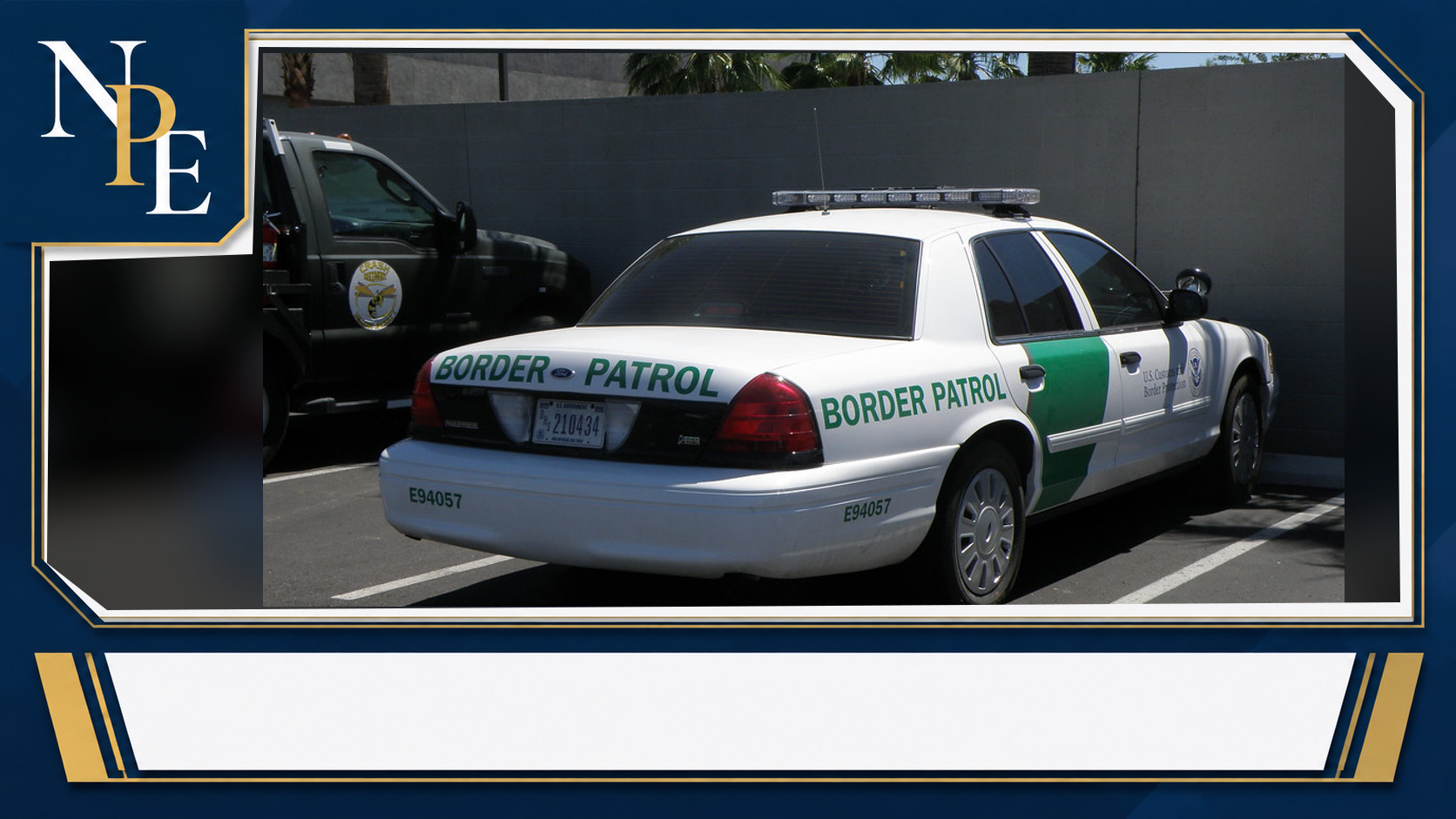
Federal officials describe the Arizona operation as an immigration-enforcement and road-safety effort. The arrests also raise unresolved questions about screening, commercial driver’s licenses and how enforcement reaches workers in a vital freight corridor.
The Border Patrol is detaining immigrant truckers in Arizona as part of an enforcement effort that resulted in 52 arrests, including 36 people driving semi-trucks. The article explains why the detentions are occurring: Border Patrol’s Yuma Sector says it is targeting commercial drivers it alleges are unlawfully present in the United States, framing the operation as both immigration enforcement and a road-safety measure.
The operation, called Operation Checkmate, took place during the week of May 11-15 and was announced by Customs and Border Protection on June 1. It puts a difficult question into focus for freight-dependent Arizona: when states issue commercial driver’s licenses and federal immigration agencies dispute a driver’s status, who is responsible for keeping that driver on — or off — the road?
What Operation Checkmate targeted
According to U.S. Customs and Border Protection, Yuma Sector agents arrested 52 people during the operation. The agency said 36 of them were driving semi-trucks and were arrested for being in the country illegally.
CBP described the initiative as enforcement of immigration statutes aimed at identifying and arresting unlawfully present people operating commercial motor vehicles. In other words, the stated basis is not merely that a truck was stopped or that a driver held a foreign-sounding name. The agency says immigration status is the central allegation.
The public release does not lay out the circumstances of every arrest. It does not specify each truck’s route, the type of stop that led to contact with agents, whether a checkpoint was involved, or whether each driver had been cited for a traffic or safety violation before being detained.
That distinction matters. A federal announcement can establish what the agency says it did, but it is not the same as a full public record for each individual case.
Licenses are at the center
CBP said 29 of the 36 truck drivers had commercial driver’s licenses issued by California, New York, Washington or Virginia. Three, the agency said, had no form of driver’s license.
Those figures make the story bigger than a single Arizona enforcement action. Commercial driver’s licenses are generally issued by states, while immigration enforcement is federal. A driver may therefore enter the workforce through one set of state processes and later face scrutiny from a federal agency over immigration eligibility or documentation.
CBP said most of the people arrested possessed employment authorization documents obtained during the Biden administration that the agency characterized as no longer valid. The release did not identify the specific immigration categories involved or provide case-by-case information explaining why individual documents were considered invalid.
That missing detail is important because employment authorization, immigration status and eligibility for a state-issued commercial license are related but not interchangeable questions. The public account does not establish that every license was improperly issued, only that CBP believes the drivers it arrested lacked lawful status.
Border Patrol’s authority near highways
Border Patrol agents operate not only at the physical border. The agency also uses immigration checkpoints on highways near the border, including in southern Arizona, where agents may question vehicle occupants about citizenship or immigration status.
Congressional legal guidance has noted that checkpoints and vehicle stops operate under constitutional limits. At a fixed immigration checkpoint, agents can briefly question motorists without individualized suspicion, but more intrusive searches and some roving patrol stops require additional legal justification.
Those rules help explain why commercial traffic can come into contact with Border Patrol far from a port of entry. They do not give agents unlimited power over every trucker, nor do they automatically answer whether a particular detention was lawful. The facts of each encounter still matter.
For drivers and carriers, the practical reality is that freight routes through the Southwest can bring federal immigration enforcement into the daily logistics of commercial transportation.
Safety claim meets immigration debate
Acting Yuma Sector Chief Patrol Agent Dustin W. Caudle said the operation was intended to protect communities and roads from unlawfully present drivers whom the agency views as public-safety risks. CBP linked its enforcement message to federal efforts to tighten rules governing non-domiciled commercial driver’s licenses.
Supporters of the crackdown are likely to see it as a straightforward safety measure: commercial vehicles are large, heavily regulated and capable of causing serious harm when driven by unqualified operators. From that view, closer verification of licensing and work authorization is a reasonable safeguard.
Critics may question whether immigration status is being used as a shortcut for judging driving risk. Being accused of lacking lawful status is not, by itself, evidence that a person drove unsafely, caused a crash or failed a skills test. CBP’s release did not allege that the 36 truck drivers were involved in collisions.
The two arguments can coexist. Regulators have a legitimate interest in competent commercial drivers, while enforcement agencies still need clear, individualized grounds and transparent evidence when they connect immigration enforcement to highway safety.
Arizona’s freight corridor raises stakes
Arizona is a major passageway for trade and long-haul freight, particularly around the U.S.-Mexico border and routes connecting the Southwest to other parts of the country. Any enforcement action involving commercial drivers can affect more than the people detained.
Carriers may face delays, lost loads and staffing disruptions when drivers are removed from service. Workers who hold valid state credentials may also be left wondering whether a license or work document they relied on could later be challenged by a different level of government.
The larger policy issue is administrative as much as it is enforcement-based. If federal officials believe certain people should not be driving commercially, states, federal transportation regulators and immigration authorities need systems that identify eligibility questions before a driver is dispatched with a loaded rig.
Absent that coordination, enforcement happens after someone is already on the road — a result that can satisfy neither safety advocates nor employers trying to comply with changing rules.
What remains unclear after arrests
CBP said all 52 people were processed under federal law and would be deported. Immigration proceedings can involve review processes, however, and the agency’s announcement does not provide the legal posture, representation status or final outcomes for the individuals it named only in aggregate.
It is also unclear whether the operation will be repeated in Arizona, expanded to other freight corridors or paired with new information-sharing requirements for state licensing agencies. CBP said it is working with federal partners, but did not detail a future enforcement schedule.
For now, Operation Checkmate offers a clear signal of federal priorities: Border Patrol is treating commercial trucking as a visible point of immigration enforcement. The unanswered question is whether that approach will produce durable improvements in licensing oversight and road safety, or mainly shift the burden onto drivers, states and freight companies after credentials have already been issued.
Leave a Reply