
The dispute centers on scale: Argentine beef is a small part of U.S. supply, economists told AP, and much of it is used in ground-beef blends rather than steaks. Rancher groups say the import proposal could still add uncertainty for producers.
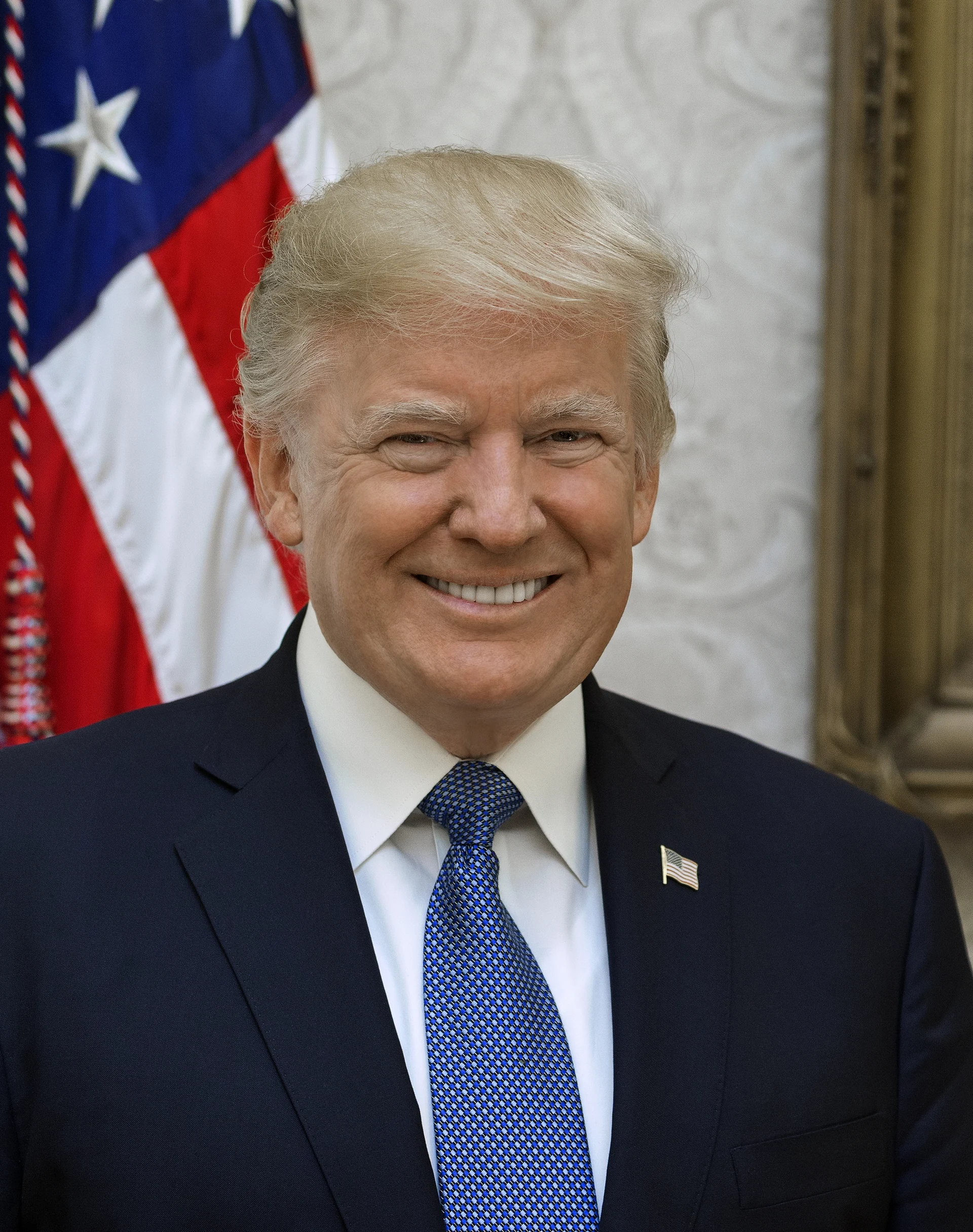
President Donald Trump proposed importing more beef from Argentina as a way to lower consumer prices, according to AP. But agricultural economists told the news agency that Argentina’s share of U.S. beef imports is so limited that additional shipments may do little to change prices at grocery stores.
That assessment has sharpened opposition from the National Cattlemen’s Beef Association, R-CALF USA and other farm groups. They argue that a measure unlikely to materially lower prices could nonetheless make domestic ranchers and feedlot operators less certain about investing in larger herds.
The supply question is about scale
Argentine beef represented about 2% of U.S. beef imports, AP reported. Economists said that even doubling that volume would not change prices much in the broader market.
Figures cited by AP show that the United States imported 72.5 million pounds of Argentine beef through July, compared with more than 15 billion pounds of U.S. beef production. Kansas State University agricultural economist Glynn Tonsor told AP that Argentine producers could not replace reductions from other import sources.
Those other constraints include 50% tariffs on Brazil, a major exporter, and limits on cattle-related trade with Mexico tied to a flesh-eating pest outbreak, AP reported. The administration’s proposal arrives as beef remains expensive and domestic cattle supplies remain tight.
Ground beef could see the most direct effect
Not all beef products would be affected in the same way. AP reported that much of the beef imported from Argentina consists of lean trimmings, which U.S. processors often combine with fattier domestic beef to make ground-beef products suited to American preferences.
That makes hamburger a more plausible target for any added supply than steak. Tonsor told AP that the volume under discussion was too small to materially alter overall beef prices, particularly steak prices.
The latest government report before the shutdown, cited by AP, put the average price of ground beef at a record $6.32 per pound. Average steak prices were about $12.22 per pound. Consumers confronting high food bills may welcome efforts to add supply, but economists’ skepticism leaves open how much relief additional Argentine imports could provide.
Ranchers are focused on rebuilding decisions
For cattle producers, high retail beef prices do not translate directly into simple profits. Beef moves through slaughter, processing, transportation, wholesale and retail stages before reaching shoppers.
Texas A&M livestock economist David Anderson told AP that ranchers are receiving better cattle prices after a difficult period marked by drought, low prices and high production costs. AP reported that the U.S. cattle herd is at its smallest level since 1961 after years in which drought and weak economics led producers to reduce herds.
Expanding a herd requires land, feed, water, labor, financing and time. Rancher groups say an import policy designed to counter high prices can affect the expectations of producers deciding whether to spend money on expansion.
Tonsor told AP that greater uncertainty can make producers less likely to put money on the line. Missouri producer Bryant Kagay told AP that cattle valued around $3,000 for a 1,250-pound animal fell by more than $100 after Trump raised the prospect of intervening in beef prices, though they later recovered some ground. That movement does not establish a lasting effect, but it illustrates why producers are watching closely.
Farm groups see conflicting signals
The National Cattlemen’s Beef Association, R-CALF USA and other farm groups criticized the proposal over its potential effect on ranchers and feedlot operators, AP reported. Their concern is not only the direct competition from additional imports, but also the signal sent by a sudden policy change.
Ranchers contend that efforts to encourage more U.S. cattle production can conflict with steps that make future cattle prices less predictable. The disagreement therefore turns on a trade-off: whether a short-term attempt to expand supply would outweigh the risk that producers delay rebuilding the domestic herd.
There is also little evidence so far that consumers are broadly switching from beef to chicken or other proteins despite higher prices, AP reported. South Dakota rancher Brett Kenzy told AP that he would rather have consumers decide whether beef is too expensive than have the government intervene.
Details of the broader response remain unclear
Agriculture Secretary Brooke Rollins said on CNBC that the administration remained committed to helping ranchers prosper while reducing consumer prices. She said more details on the Argentina proposal and a broader effort to strengthen U.S. beef production would be released.
Rollins pointed to potential domestic measures including opening more land and supporting new processing plants. Those steps would seek to increase U.S. production over time rather than rely only on imports.
Important questions remain about how much Argentine beef the administration would seek to bring in, how quickly it could arrive, whether trade rules would change and how any import move would fit with the administration’s wider tariff policy. For now, AP-reported economist estimates suggest the proposal’s effect on grocery prices may be limited, while rancher groups warn that its effect on producer confidence could be more immediate.
Leave a Reply