Angie Nixon’s Democratic Senate nomination ended Alexander Vindman’s Florida campaign, but it also revived a long-running dispute with Donald Trump. The key distinction is between a political demand for prosecution and an actual criminal case.
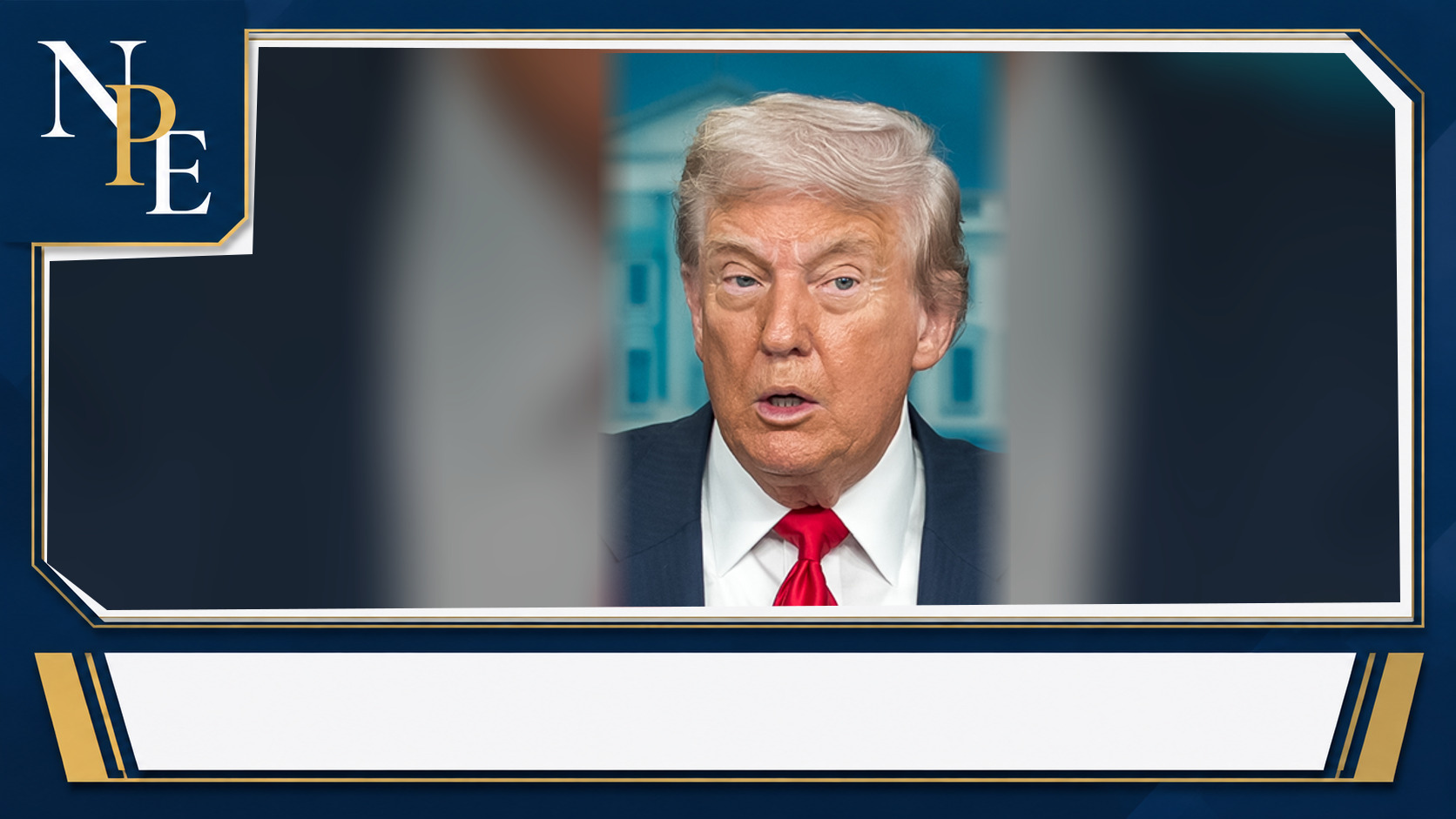
Donald Trump called for Alexander Vindman to be prosecuted after Alexander Vindman lost Florida’s Democratic Senate primary to Angie Nixon. Nixon won the Democratic nomination, ending Vindman’s bid for the Florida Senate seat and triggering Trump’s demand.
The sequence has put an election result and a legal-sounding political statement into the same news cycle. The available reporting identifies no new criminal charge, indictment, filed case or public announcement of an investigation involving Vindman.
Nixon takes the Democratic nomination
Vindman’s loss means he will not be Florida Democrats’ Senate nominee in the general election. According to Associated Press election coverage cited in the reporting, progressive state lawmaker Angie Nixon won the party’s nomination instead.
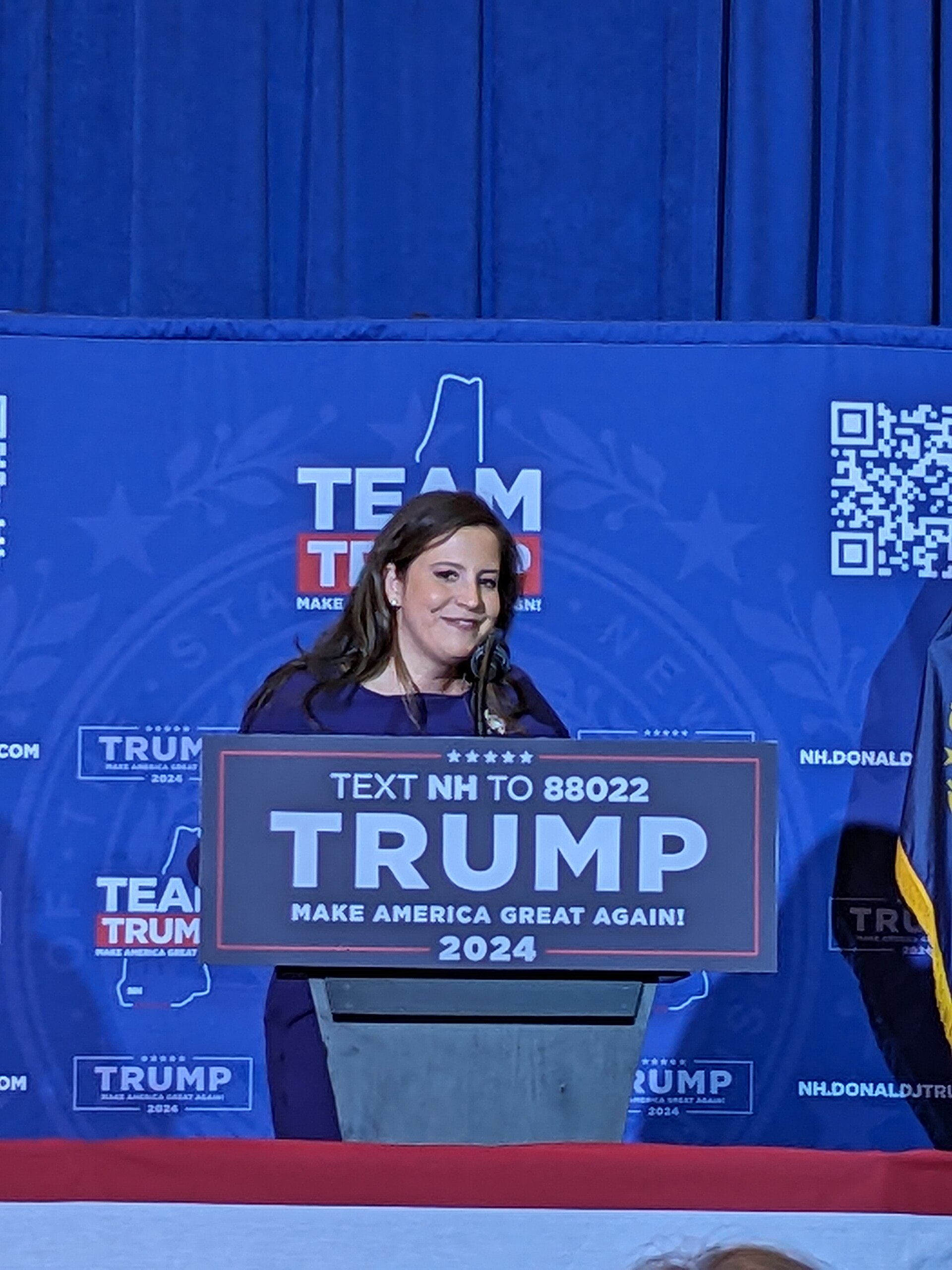
For Nixon, the primary victory changes the focus from competing for Democratic voters to building support for the broader general-election electorate. The nomination is an opportunity, but it also brings the task of expanding a statewide coalition.
For Vindman, the outcome closes this route to elected office. A prominent national profile can bring attention to a statewide campaign, but it does not guarantee that primary voters will choose that candidate over someone with a different local record, message or political fit.
Trump’s response changed the subject
Trump’s call for Vindman to be prosecuted followed the primary result. That timing connected the two events politically, but it does not establish a legal finding against Vindman or show that the election result itself created a legal matter.
Primary losses routinely prompt criticism and celebration from political opponents. A call for prosecution carries different implications because it invokes the criminal-justice system rather than simply disputing a candidate’s record or campaign.
That is why the episode extends beyond the Florida Senate contest. Nixon’s victory settled the question of who won the Democratic nomination; Trump’s statement reopened a much older national dispute involving Vindman and Trump.
A demand is not a criminal case
The reporting establishes that Trump called for prosecution. It does not identify a new charge against Vindman, an indictment, a filed criminal case, or a statement from prosecutors that they have launched a legal action.
That distinction is central. In the United States, a prosecution requires more than a public accusation or demand from an elected official. Investigators and prosecutors must consider evidence, jurisdiction, applicable law and whether a case can be proved.
Political statements can be consequential, particularly when they come from a nationally prominent figure and target a former government official. But a statement is not a substitute for the formal steps that turn an allegation into an investigation, charges or a court proceeding.
- Trump made a public call for Vindman to be prosecuted.
- Vindman lost the Florida Democratic Senate primary.
- Nixon won the Democratic nomination.
- No specific new legal action against Vindman was identified in the available reporting.
An argument rooted in Trump’s first term
Vindman became nationally known during Trump’s first presidency, when he testified in the House impeachment inquiry involving Trump’s dealings with Ukraine. His testimony and his subsequent treatment within the administration made him a prominent figure in debates about presidential power, whistleblowers and national-security institutions.
Vindman’s supporters have described him as a public servant who raised concerns and testified under oath. Trump allies and other critics have challenged his role and accused him of acting against the president’s interests.
Those sharply different views help explain why a Florida primary outcome could quickly become part of a larger political argument. The Senate race concerned which Democrat would advance to the general election, while Trump’s response drew on grievances that predated the campaign.
Why the language matters now
Trump supporters may view the prosecution demand as an argument that officials they believe acted improperly should face scrutiny. Vindman supporters and civil-liberties advocates may see it as a troubling use of prosecutorial language against a political adversary or a person associated with a past investigation of a president.
Neither viewpoint by itself resolves the factual legal question: whether there is a specific current referral, investigation or prosecutorial action involving Vindman. Based on the information described in the reporting, no such development has been identified.
The difference between political rhetoric and legal procedure is especially important when a campaign result, an old conflict and the language of criminal accountability converge. Voters can assess the political claims, but authorities would need to take identifiable formal action before there is an actual criminal proceeding.
The unresolved issue is legal action
The immediate electoral outcome is clear: Nixon won the Florida Democratic Senate nomination, and Vindman lost the primary. Trump then called for Vindman to be prosecuted.
What remains unclear is whether that demand will lead to any government action. Unless authorities announce an investigation, charges or another formal legal step, the episode remains a political statement rather than a criminal prosecution.
For Florida Democrats, the practical next phase belongs to Nixon’s general-election campaign. For the broader national debate around Vindman and Trump, the unanswered question is not who won the primary, but whether any concrete legal development follows Trump’s call.
Leave a Reply