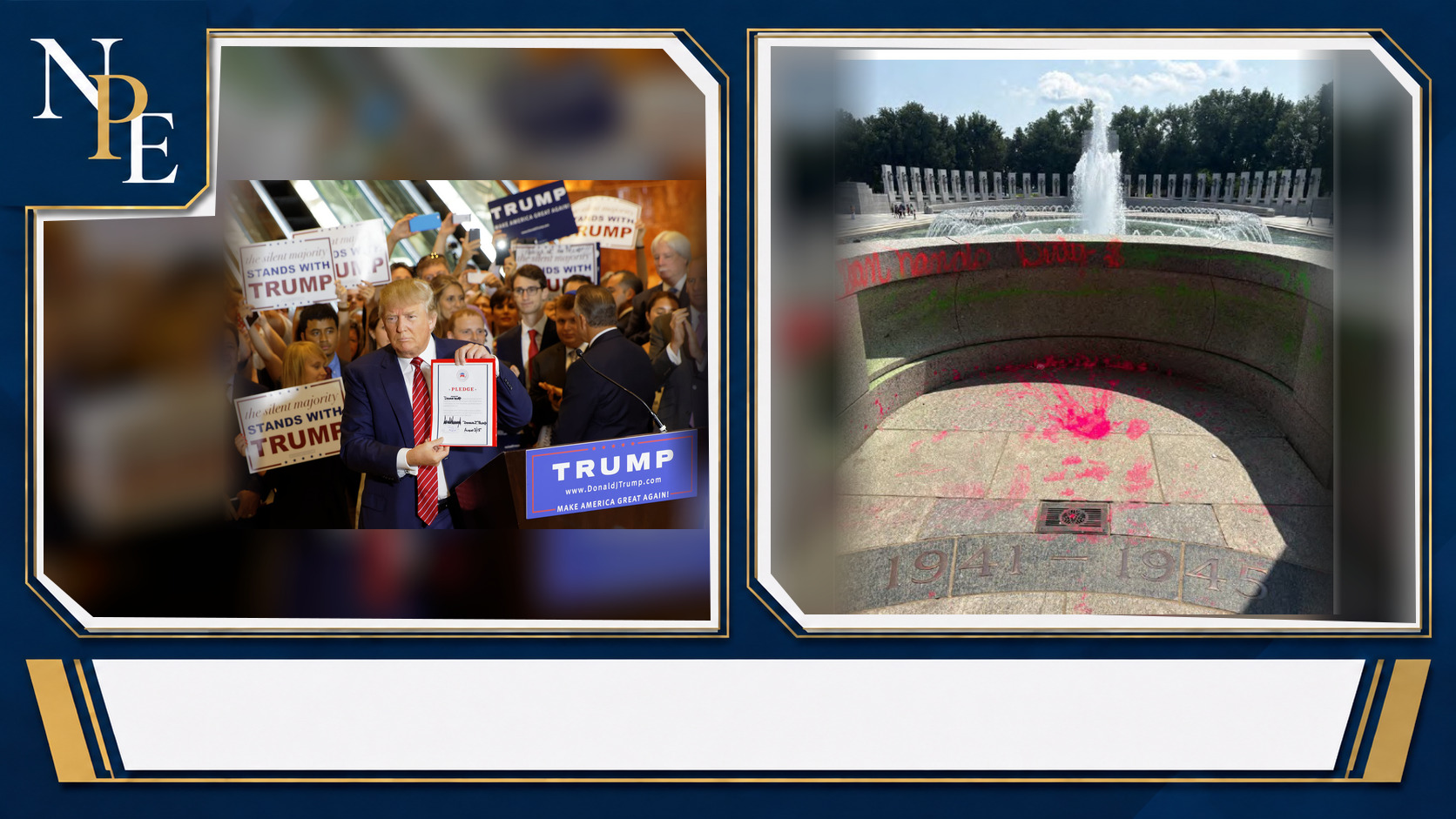
The dispute is not only about damage to a national landmark. It centers on whether prosecutors had the key evidence before bringing charges — and whether vandalism or a flawed renovation caused the damage.
Donald Trump rebuked U.S. Attorney Jeanine Pirro after her office moved to drop charges in the Lincoln Memorial Reflecting Pool case in Washington, D.C. The case involved allegations that former Olympian David Hearn vandalized the Reflecting Pool, but prosecutors said evidence reviewed after the indictment pointed instead to a flawed installation.
On August 3, 2026, the dispute put Trump at odds with Pirro over a basic but consequential question: whether the damage was caused by vandalism or problems with the pool’s recent renovation. The answer matters because Pirro’s office concluded that the evidentiary basis for the case against Hearn had been undermined.
The dismissal rests on later evidence
Pirro’s office moved to dismiss the case after obtaining information that, it said, weakened “the evidentiary basis for the indictment” against David “Davey” Hearn.
According to the Justice Department, a later review of documents indicated the damage appeared to have resulted from a botched installation rather than vandalism. The Interior Department provided those materials after prosecutors had already sought and secured a grand-jury indictment.
The timing is at the heart of the controversy. The Justice Department said it would not have pursued an indictment against Hearn had it received that information initially.
That does not mean visible damage at the Reflecting Pool was never real. It means prosecutors said the available evidence no longer reliably supported the allegation that Hearn caused the damage for which he was charged.
Trump rejects Pirro’s conclusion
Trump’s response was unusually direct because Pirro is the U.S. attorney for the District of Columbia and a longtime ally who previously worked as a television host and prosecutor.
In a Truth Social post, Trump said he disagreed with Pirro “100%” over the Reflecting Pool matter. He called the episode “a pure case of VANDALISM” and said that contractor problems may have existed, but vandals caused the major damage.
Trump also said in a second post that video showed material being cut with a knife or box cutter. He told Pirro to “go back to law school,” turning a disagreement over a charging decision into a public break within his own administration.
His position is not that construction problems were impossible. Rather, Trump has argued that those concerns should not outweigh what he considers evidence of deliberate damage.
What Hearn was accused of
Hearn, a former Olympic canoeist, was indicted July 2 after authorities alleged that he forcefully pulled up and removed part of the pool’s bottom liner on June 19. He pleaded not guilty.
Hearn has maintained that the Lincoln Memorial Reflecting Pool looked the same after he left the water as it did before he entered it. His attorney, Steven Levin, said the prosecution should never have been brought and that the federal government owes Hearn an apology.
The government’s motion to dismiss would substantially change the immediate legal posture of the case, but it is not itself a judicial finding that Hearn did nothing wrong. A dismissal motion means prosecutors no longer believe the charge can be supported by the evidence available to them.
Pirro’s office also moved to dismiss at least one other misdemeanor case connected to the alleged damage, according to NBC News. The information available does not settle every allegation involving other people arrested near the pool.
A renovation now under scrutiny
The Reflecting Pool had recently undergone a Trump-directed renovation costing more than $14 million. The project included a new coating described as “American flag blue.”
Afterward, green algae and pieces of blue sealant were seen on the water’s surface. Trump repeatedly attributed the pool’s problems to vandals, while the Justice Department said documents it later reviewed indicated flawed installation by Atlantic Industrial Coatings in Hearn’s case.
Interior Secretary Doug Burgum has backed Trump’s broad account. Burgum said vandals repeatedly damaged the pool and that some incidents were captured on camera. He also said the Interior Department provided prosecutors with expert and eyewitness testimony, along with requested evidence concerning damaged areas.
Those accounts are not necessarily incompatible in every respect. Different incidents or different locations at the pool could be involved. But the public record described so far does not fully explain how officials distinguished alleged vandalism from renovation-related defects before Hearn was charged.
The government faces an evidence question
The confrontation has become larger than one damaged liner at a prominent national monument. It raises questions about how federal agencies share records when prosecutors are considering charges in a fast-moving and politically sensitive matter.
Trump and Burgum are emphasizing surveillance footage, visible damage and their belief that vandalism occurred. Pirro’s office and the Justice Department are emphasizing the later-produced material that changed prosecutors’ assessment of the case against Hearn.
The competing views carry different implications. Trump’s side argues that possible contractor failures should not erase evidence of intentional damage. Hearn’s side argues that the government moved forward before it had assembled the facts needed to justify an indictment.
What remains unclear is whether prosecutors will publicly detail the evidence that shifted their view, whether other pending cases will be reassessed, and how officials will separate allegations of vandalism from defects tied to the renovation. For now, the concrete outcome is that the case against Hearn is being unwound — and Trump has openly challenged the prosecutor whose office made that decision.
Leave a Reply