
The U.S. is committing a large share of a coordinated international oil-reserve release aimed at easing energy-market pressure. But crude must move through storage, buyers and refineries before consumers could see any effect at the pump.
President Donald Trump authorized the release of 172 million barrels of oil from the U.S. Strategic Petroleum Reserve, a move the Department of Energy says is intended to address surging fuel prices. The oil may take about 120 days to reach markets and provide relief, meaning the announcement is not an immediate reset for prices at the pump.
The United States is joining the International Energy Agency in a coordinated 400 million-barrel reserve release. In a March 11 statement, Energy Secretary Chris Wright said the U.S. release would begin the following week, but the scale of the commitment and the timing of consumer relief are two very different things.
The U.S. share of a larger release
The 172 million barrels are the American portion of an international supply effort, not a stand-alone U.S. action. According to the Department of Energy, all 32 International Energy Agency member nations agreed to release a combined 400 million barrels of oil and refined products from their reserves.
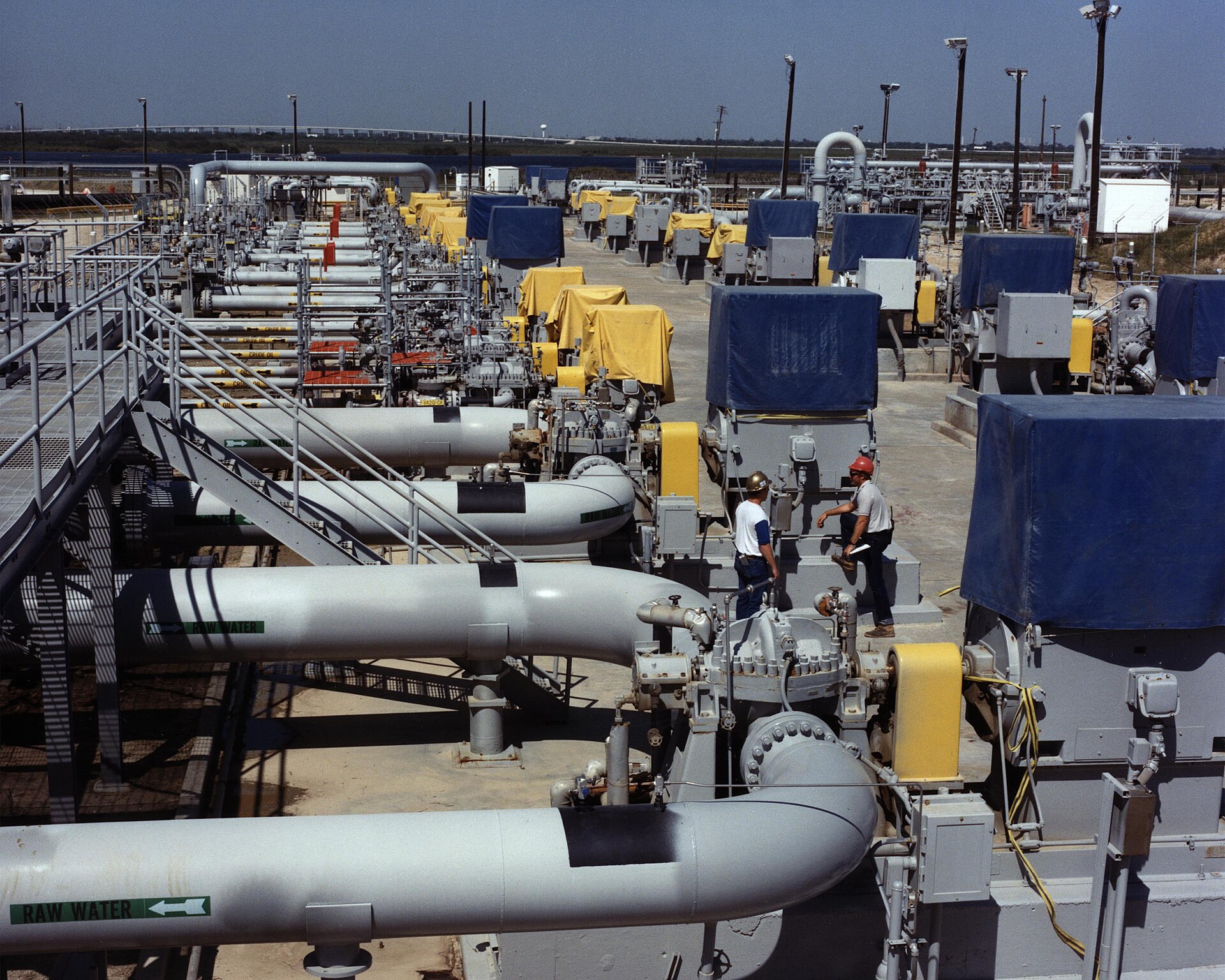
That larger figure puts the U.S. announcement in context. The goal is to add supply during a period of energy-market pressure, while the administration says it can also maintain U.S. energy security.
The department connected the decision to threats it says are posed by Iran and its proxies, arguing those threats have affected the energy security of the United States and its allies. The administration’s case is that a coordinated release can respond to both price pressure and supply-security concerns.
Why 120 days changes expectations
An authorization to release crude is not the same as 172 million barrels appearing in the fuel market at once. The Department of Energy said its planned discharge rates put the delivery timeline at approximately 120 days.
Before reserve oil can affect the fuel bought by drivers and households, it must leave storage, reach buyers and be processed at refineries into gasoline, diesel or other products. That chain makes the timing central to the policy’s real-world effect.
Oil prices can respond rapidly to expectations that more supply is coming. Traders may react to the policy announcement, and retailers can eventually respond to changes in wholesale costs. Neither response is guaranteed, however, and neither follows a fixed timetable.
For households watching fuel bills, the four-month delivery estimate is the clearest constraint. This is a supply action that unfolds over months, rather than an instant mechanism for cutting the number displayed at every gas station.
A gas price has many inputs
Crude oil is a major ingredient in gasoline prices, but it is not the only one. The price consumers see also reflects refinery capacity, transportation costs, regional supply conditions, taxes and retailer margins.
That means a Strategic Petroleum Reserve release can affect one important part of the pricing chain without determining the final retail price. A change in crude markets may not translate evenly, or quickly, across the country.
Regional differences are especially important. States and metro areas supplied by different pipelines, refineries and fuel-blending requirements can experience very different price movements even when the broader oil market moves lower.
- Crude prices: Markets may move on anticipated supply before all physical barrels are delivered, but those moves can reverse.
- Refinery operations: Reserve crude still has to be turned into usable fuel.
- Local constraints: Refinery outages, seasonal fuel blends and transportation limits can outweigh national price trends.
The reserve’s purpose is contested
The Strategic Petroleum Reserve is the federal government’s emergency crude-oil stockpile, meant to provide a supply buffer when disruptions, conflicts or other shocks threaten available oil. Drawing on it to influence prices has long carried political consequences.
Supporters of a release argue that additional supply can soften the effects of a sudden shortfall and limit economic damage from higher oil costs. In a tight market, they may see a large coordinated action as a necessary response.
Critics make a different case: emergency reserves should be preserved for more acute physical disruptions rather than used as a broad tool for managing prices. Their concern is not only the drawdown itself, but whether stockpiles will be sufficiently restored before another disruption occurs.
The current disagreement turns on purpose and timing. The White House and Energy Department can cite the size of the coordinated action; skeptics can point to the extended delivery schedule and the uncertainty of converting more crude supply into lower retail prices.
The replenishment pledge is a test
The administration says the release will not weaken the emergency cushion over the longer term. The Department of Energy said the United States has arranged to replace approximately 200 million barrels within the next year, or 20% more than the planned drawdown, at no cost to taxpayers.
If that occurs as described, the reserve would ultimately gain more oil than it releases under this plan. But replenishment depends on execution, including the timing of purchases, market conditions, available storage and whether the department’s arrangements proceed as planned.
That leaves two separate measures for judging the policy. One is whether energy markets and consumer fuel costs meaningfully respond as the barrels are delivered. The other is whether the promised reserve replacement occurs on the stated terms.
What the announcement does not promise
The Department of Energy has not provided a specific amount by which gasoline prices will fall, nor a date when drivers should expect a change. It also does not establish how much of the wider international release will reach the particular markets where U.S. consumers face the greatest pressure.
The most useful signals to follow are whether crude prices, refinery disruptions and wholesale gasoline prices move in the same direction after the release begins. Those factors, along with regional conditions, will shape whether the policy reaches consumers.
Trump’s authorization gives the United States a major role in the 400 million-barrel International Energy Agency effort. Its potential effect on prices may begin in markets before every barrel is delivered, but the 120-day timetable means consumers should not read the headline number as a promise of immediate or uniform savings.
Leave a Reply