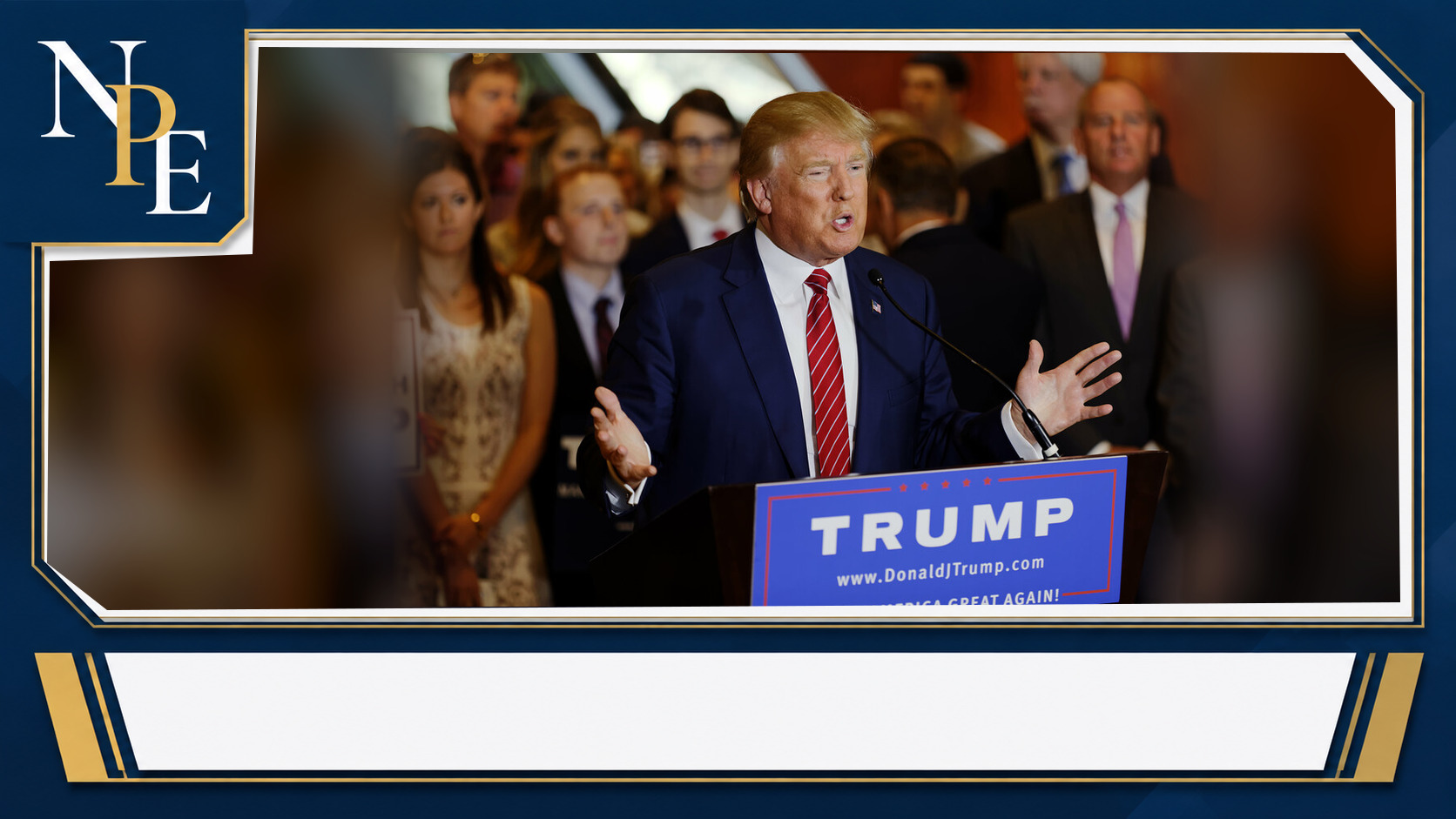
Trump is tying higher prices at the pump to his administration’s stated goal of preventing Iran from obtaining a nuclear weapon. The appeal arrives as gas prices rise and several polls show more Americans disapprove of the war than support it.
Donald Trump is asking voters to accept gasoline prices of about $4 a gallon, presenting higher costs as a trade-off for the United States’ war against Iran. The national average reached $4.06 a gallon, according to AAA, after disruptions connected to the effective closure of the Strait of Hormuz pushed oil and fuel markets higher.
Trump’s argument is landing in a difficult political environment: many Americans do not support the war, want the conflict to end and worry that its economic consequences will deepen. The dispute is no longer only about military aims in Iran; it is also about whether voters will accept a more expensive commute, grocery trip and family budget as part of the price of the campaign.
Trump’s message at the pump
At a political rally in Garden City, New York, Trump told supporters that paying “a tiny little bit more for your gasoline” was worth preventing what he called “a very evil country” from getting a nuclear weapon.
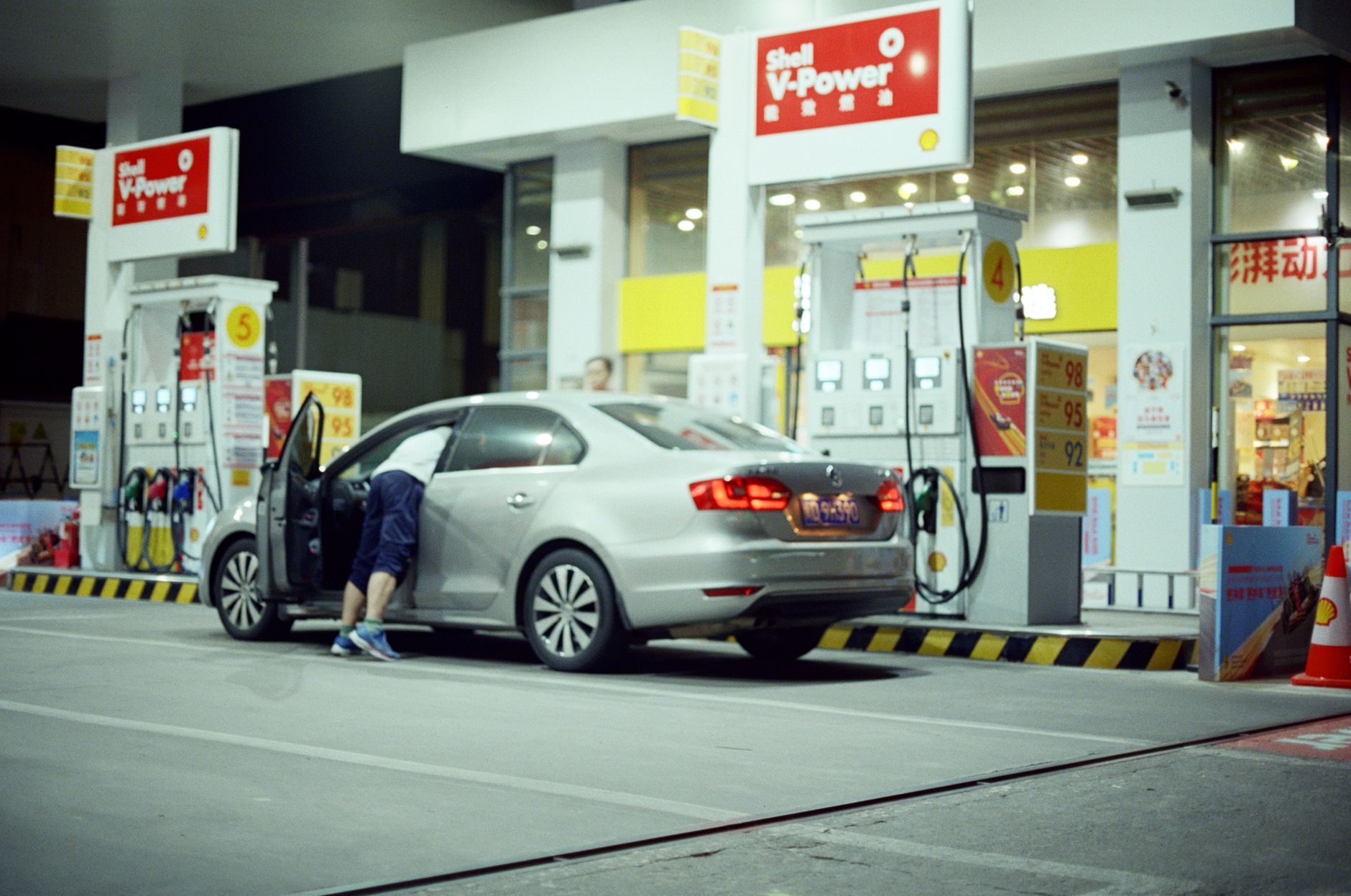
He specifically referenced $4 gasoline and said he would not apologize for the decision. The administration has said destroying Iran’s nuclear potential was among the reasons for the U.S. and Israeli strikes that began on February 28.
The framing matters because it asks the public to see a consumer-price increase not as a policy failure, but as a temporary patriotic sacrifice. That is a tougher case to make when the expense is visible every time drivers pull into a station.
It also puts Trump’s cost-of-living politics in direct tension with his war message. He campaigned in 2024 on making everyday life more affordable, while his current argument asks Americans to tolerate a sharp increase in one of the most closely watched household costs.
How the Iran war hit prices
Gasoline prices do not move in lockstep with any single presidential decision. They reflect crude-oil prices, refinery operations, transportation, seasonal demand, regional fuel rules and retailer margins.
But the war’s effect on energy supply has been central to the recent surge. The Strait of Hormuz is a critical shipping route for oil and petroleum products, and disruption there can quickly raise fears of tighter global supply. Those fears lift oil prices, which eventually flow through to gasoline prices paid by U.S. drivers.
AAA’s national average was $4.06 on Sunday, Newsweek reported, compared with $3.94 a month earlier and $3.14 a year earlier. The average had been $2.98 shortly before the U.S. and Israel launched their joint strikes on Iran, according to the report.
GasBuddy petroleum analyst Patrick De Haan said Americans were spending an estimated $338 million more on gasoline each day than a year earlier, or about $2.35 billion more per week. Those figures illustrate why a seemingly modest change in the price per gallon can carry major consequences across the economy.
Polls show a widening gap
Trump’s appeal depends on voters accepting both the military mission and the economic cost. Recent surveys cited by Newsweek suggest that support is limited.
A Pew Research Center poll conducted April 20 through 26 found that 62% of Americans disapproved of Trump’s handling of the Iran war. Forty-eight percent said the administration had not been clear about its goals for the conflict.
An Ipsos survey conducted July 10 through 12 found that 58% disapproved of U.S. strikes in Iran, while 37% approved. In the same poll, 51% said military action in Iran had not been worth it, compared with 24% who said it had been worth it.
A Reuters/Ipsos poll completed August 3 found 35% approval for the war, according to the report. Poll results can differ depending on wording, timing and who responds, but the surveys point in the same broad direction: public skepticism has remained a serious obstacle for the administration.
Affordability changes the argument
For supporters of the military campaign, the administration’s case is that preventing Iran from obtaining a nuclear weapon justifies substantial short-term costs. They may view volatility at the pump as an unavoidable consequence of confronting a major security threat rather than a reason to abandon the mission.
Critics see a different calculation. They argue that the war lacks a clear endpoint, has not won consistent public backing and is forcing households to absorb costs that are especially painful for people who must drive to work, school or medical appointments.
The polling cited in the report captures that anxiety. Ipsos found that 60% of Americans expected gas prices to worsen over the next year because of U.S. military action in Iran. Reuters/Ipsos similarly found that 58% expected prices to get worse, while 15% expected an improvement.
Gas prices can also influence more than transportation budgets. Higher fuel costs can raise shipping and delivery expenses, putting pressure on the prices of food and other goods. That makes the issue politically potent even for Americans who do not drive often.
An uncertain test before November
The central unanswered question is whether the administration can define a credible end state for the conflict and persuade voters that the costs will be temporary. Trump has portrayed the campaign as necessary to stop Iran’s nuclear ambitions, but polling indicates many Americans remain unconvinced by the trade-off.
The duration of supply disruptions around the Strait of Hormuz will be crucial for gasoline prices. A durable reopening of energy flows could ease market pressure; a prolonged confrontation, new attacks or further shipping restrictions could sustain volatility.
There is also no guarantee that national averages will describe every driver’s experience. Prices vary widely by state, local taxes, refinery access and fuel requirements. Still, a national average above $4 creates a powerful political benchmark because it is simple, visible and easy for consumers to compare with recent years.
Democrats are likely to highlight the conflict’s costs ahead of the November midterms, while Trump and his allies will continue to argue that national security requires resolve. The political challenge for the president is that he is asking voters to support a war they increasingly question while paying more each week for the fuel that keeps daily life moving.
Leave a Reply