
The deadline puts New York sheriffs at the center of a conflict over who should carry out immigration enforcement. The immediate dispute concerns formal ICE partnerships, while broader contact between local agencies and federal officials remains a separate question.
New York Gov. Kathy Hochul gave seven New York law-enforcement agencies 11 days to end their formal agreements with U.S. Immigration and Customs Enforcement, known as 287(g) agreements, or risk legal action under New York law. The arrangements allow local officers to perform certain immigration-enforcement functions under ICE oversight, putting sheriffs at the center of a state-versus-federal enforcement dispute.
The order follows notice to 12 agencies: five indicated they intended to comply, while seven still had 11 days remaining to unwind their agreements when the deadline was reported. The key question is not whether ICE can enforce federal immigration law in New York, but whether local agencies can formally join that work despite the state’s prohibition.
The dispute is over formal contracts
Hochul announced the directive during an immigration-focused appearance with New York City Mayor Zohran Mamdani and state Attorney General Letitia James. Her administration’s position is that New York law already bars law-enforcement agencies from entering formal agreements with ICE.
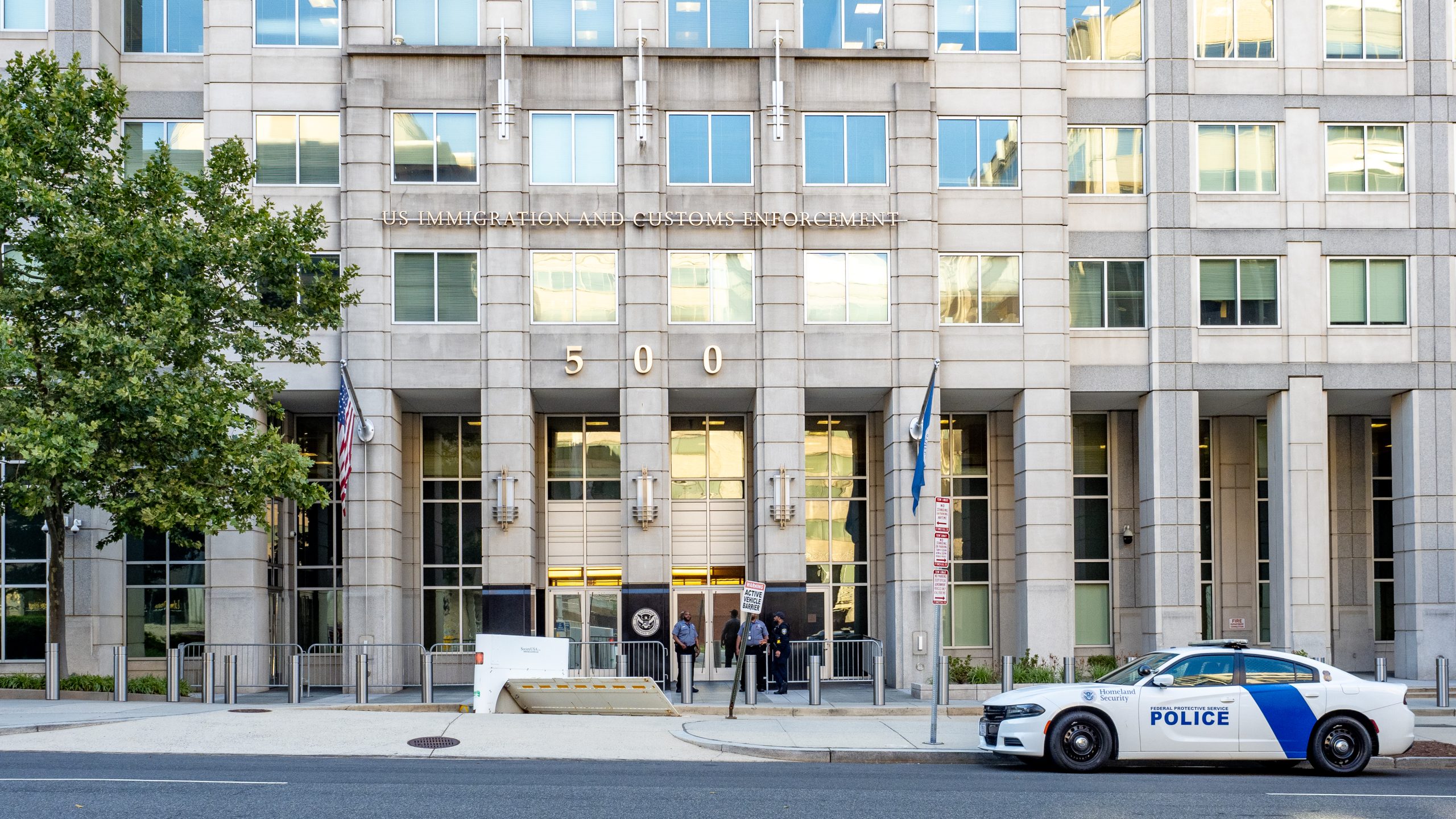
That distinction matters. The governor was not presenting the action as a newly created statewide restriction. Rather, the administration is seeking compliance with what it says is an existing state-law prohibition, using a short deadline and the possibility of litigation.
The state’s public transcript described an initial 13-day period for agencies to formally unwind their arrangements. By the time the ultimatum was reported, the seven agencies that had not signaled compliance had 11 days left.
What 287(g) agreements allow
The agreements are named for a section of federal immigration law. Under 287(g), ICE can delegate limited immigration-enforcement duties to participating state or local officers who receive training and operate under federal supervision.
The details can differ by agency. Some arrangements center on jails, where local officials may help identify people in custody whom ICE could seek to place in immigration detention. Other models can involve more direct work with ICE outside jail settings.
Hochul’s directive targets those formal delegated-enforcement relationships. It does not necessarily settle every question involving an ICE request, an immigration detainer, or federal agents seeking access to someone held in a local facility.
Five agencies indicated compliance
Of the 12 New York law-enforcement agencies contacted by the state, five said they intended to comply with state law, according to the reported figures. The remaining seven were told to terminate or otherwise unwind their agreements.
What is not yet clear is how each of those seven agencies will respond, whether their agreements contain the same obligations, or whether local officials will challenge the state’s legal interpretation. Those differences could shape whether the matter ends administratively or moves quickly to court.
Ending a 287(g) agreement would remove a formal channel for local officers to carry out delegated ICE functions. It would not automatically mean a sheriff’s office and federal immigration officials could never communicate.
Public safety arguments cut both ways
Supporters of 287(g) partnerships argue that they improve coordination with federal authorities and can help remove people accused or convicted of serious crimes. From that view, immigration information and detention processes can be part of a broader public-safety response when someone is already in local custody.
Critics argue that formal local participation in immigration enforcement makes residents less likely to report crimes or assist police investigations if they fear immigration consequences for themselves or relatives. They also contend the programs can affect people who have not been convicted of a crime.
Hochul’s administration has framed its action as part of a broader response to what the governor called aggressive federal immigration enforcement. At the same appearance, Hochul announced $7.25 million in legal-services funding for about 1,400 unaccompanied immigrant children and young people facing active removal proceedings in New York.
The competing views reflect different priorities for local policing: preserving community trust by keeping police separate from immigration enforcement, or maximizing cooperation with federal authorities when immigration status is involved.
Legal action is the next lever
Hochul said agencies that do not comply may face legal action. If a sheriff or county refuses to terminate an agreement, Attorney General James and the state’s legal apparatus could become central to the next stage.
A court challenge could examine the scope of New York’s law, the authority the state has over locally elected sheriffs, and the terms of each agency’s specific agreement. It could also test whether an agency has genuinely ended its participation rather than simply altered its paperwork.
Federal law gives ICE authority to run immigration-enforcement programs. States, however, retain broad authority over their own agencies and subdivisions. The likely legal issue would be whether New York can direct local agencies not to assist ICE through these specific formal contracts, not whether ICE itself can operate in the state.
The deadline may decide the scope
The immediate benchmark is whether the seven agencies provide evidence that their 287(g) arrangements have been terminated or unwound. Compliance could keep the fight out of court.
Resistance by one or more agencies could produce a more detailed public accounting of which counties remain involved, what their agreements require, and how New York intends to enforce its prohibition. It could also turn a dispute over contracts into a wider test of state authority over local law enforcement.
For now, Hochul’s line is narrowly drawn but consequential: local agencies may continue their ordinary public-safety work, while the governor says New York will not allow them to take on formal ICE enforcement roles through 287(g) agreements. Whether that position holds depends on the seven agencies’ response and, potentially, the courts.
Leave a Reply