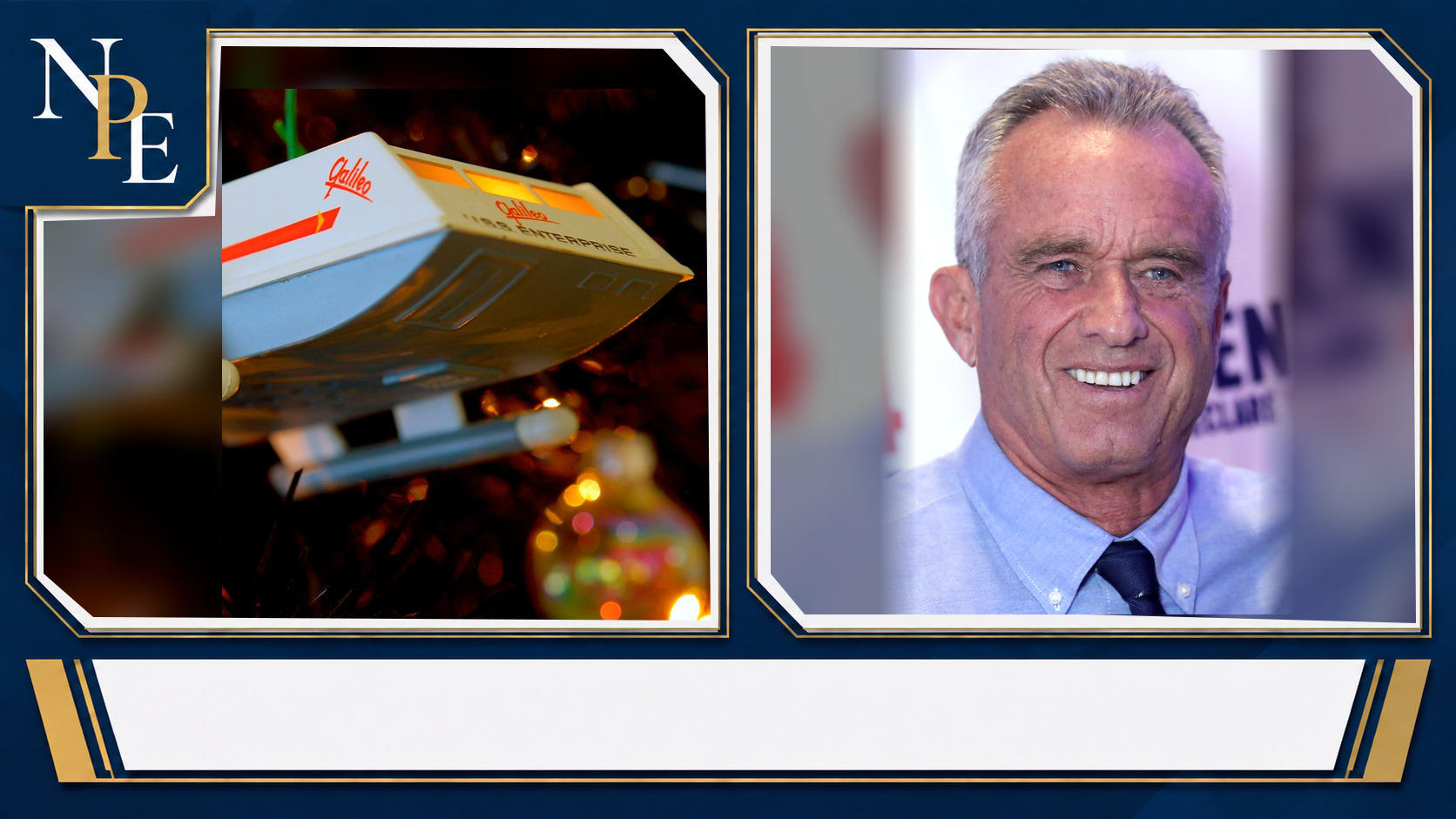
The comparison between Galileo and Robert F. Kennedy Jr. is less about treating two eras as identical than about examining who gets to define credible knowledge. It matters as Kennedy reshapes a federal vaccine advisory process built around scientific evidence and public confidence.
Galileo and Robert F. Kennedy Jr. are often invoked in arguments about science denial, but they occupy very different places in the story. Galileo was pressured by church authority over his support for heliocentrism; Kennedy, as U.S. Health and Human Services secretary, has helped reshape the federal process that advises the government on vaccines.
The comparison examines science denial and the rejection of scientific consensus, while explaining how a historical controversy involving Galileo connects to contemporary politics surrounding Kennedy. The useful question is not whether Kennedy is “the new Galileo,” but how claims of independent thinking can affect public institutions that depend on evidence, expertise and trust.
Galileo’s conflict was about authority
Galileo’s story is often reduced to a simple slogan: a lone scientist bravely defied people who refused to accept obvious facts. The real history is more complicated, but the core conflict remains powerful. His observations and defense of a sun-centered solar system collided with the religious and political authority of his era.
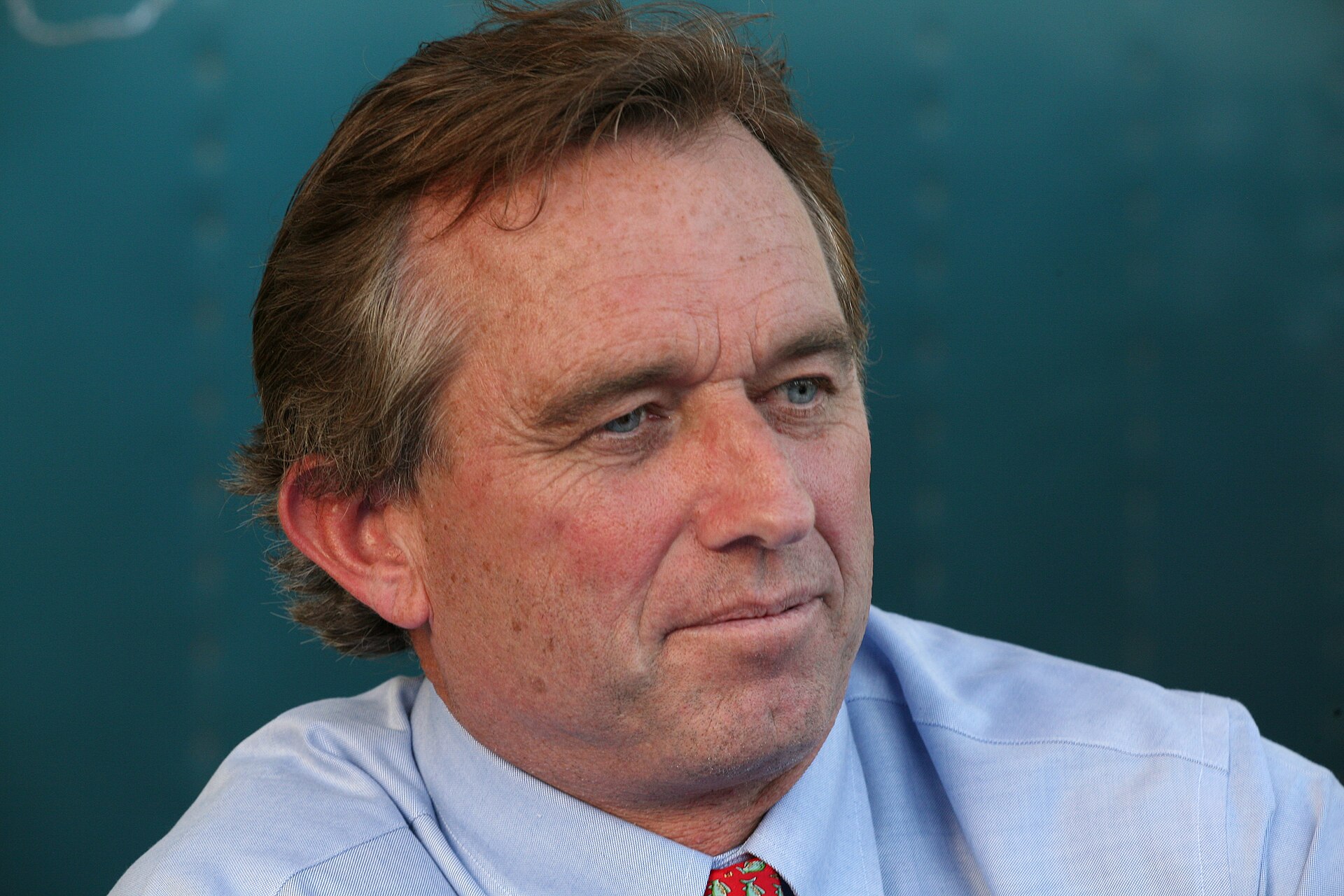
A National Institutes of Health-hosted historical account describes Galileo’s life as a continuing struggle to defend scientific inquiry from religious prejudice. Galileo was himself Catholic, which is an important corrective to the idea that the episode was merely “science versus faith.” It involved biblical interpretation, institutional power, competing intellectual traditions and the limits placed on public dissent.
He was ultimately compelled by the Inquisition to recant his views. That episode has endured because it illustrates a genuine danger: institutions can protect their authority by treating unwelcome evidence as a threat rather than a claim to be investigated.
But Galileo’s case does not mean every challenge to expert consensus is automatically courageous, correct or scientific. The lesson is not that established institutions are always wrong. It is that evidence must be tested openly, and that power does not settle empirical questions.
Why the RFK Jr. comparison lands
Kennedy has long been a highly visible figure in public arguments over vaccines, public health agencies and conflicts of interest in medicine. His current position gives those debates a direct institutional consequence: he is not simply criticizing a system from outside it, but helping direct the department responsible for major parts of the nation’s health policy.
On June 9, 2025, the Department of Health and Human Services announced that it had removed all 17 sitting members of the Advisory Committee for Immunization Practices, known as ACIP. The committee advises the Centers for Disease Control and Prevention on vaccine safety, effectiveness and clinical need.
In the department’s announcement, Kennedy said the move was intended to restore public trust and ensure that recommendations were guided by unbiased science, transparency and evidence insulated from conflicts of interest. HHS said it would replace the members with new appointees.
That is where the modern political argument becomes sharper. Kennedy’s supporters may view a wholesale reset as an attempt to challenge institutional complacency. His critics may see it as a disruption of established scientific review at a moment when consistency and expertise are especially valuable. Both sides invoke public trust, but they propose very different ways to earn it.
Consensus is not a vote count
Scientific consensus is frequently misunderstood as a demand for obedience. In principle, it is not. It is the working judgment that emerges when many researchers examine evidence, test methods, challenge findings, compare results and revise conclusions over time.
Consensus can change. Science has a long record of corrected errors, abandoned assumptions and breakthroughs that overturned earlier views. Galileo’s legacy is part of that history. Yet change is not produced simply by rejecting the prevailing view; it requires evidence strong enough to survive scrutiny.
That distinction matters in public health. A federal advisory body is not meant to operate as a popularity contest between competing opinions. Its role is to assess evidence and make recommendations in a structured, publicly accountable process. If that process is flawed, transparency and rigorous review are legitimate demands. If it is replaced by political loyalty or unsupported assertions, confidence can weaken rather than recover.
- Skepticism asks for better data, clearer methods and independent verification.
- Scientific disagreement presents testable alternatives and engages with contrary findings.
- Science denial dismisses a large body of evidence without meeting its standards of proof.
Trust is the real battleground
The strongest connection between Galileo’s era and the present may be the struggle over trust. People must decide whom to believe when they cannot personally inspect every telescope, clinical trial, laboratory method or advisory committee meeting.
Institutions do not deserve trust merely because they are institutions. Conflicts of interest, poor communication and past failures can all make the public skeptical. Kennedy’s HHS statement directly identifies public confidence and transparency as central concerns, and those concerns are not trivial.
Still, distrust can be politically useful. It can turn every expert disagreement into proof of corruption, every revision into proof that nothing is known, and every agency into an enemy of ordinary people. That approach may generate attention, but it leaves the public with no clear way to distinguish warranted caution from blanket suspicion.
For science-based agencies, the answer cannot be “trust us.” It has to include clear evidence standards, accessible explanations, disclosure of conflicts and decisions that can be examined in public. Trust grows when people can see how a conclusion was reached and what evidence could change it.
The analogy has important limits
Calling Kennedy a Galileo, or treating today’s public-health conflicts as a replay of the Inquisition, risks flattening both history and the current debate. Galileo was challenging a powerful institution that sought to regulate what could be publicly taught about the natural world. Modern health agencies are imperfect bureaucracies, but they operate through research, expert review, public records and changing bodies of evidence.
The better comparison concerns a recurring temptation: to confuse institutional status with truth on one side, or to treat opposition to institutions as proof of truth on the other. Neither shortcut does the work of science.
Galileo’s story warns against punishing evidence because it is inconvenient. The controversy around Kennedy’s role at HHS raises a different but related question: whether changes to scientific institutions will strengthen their ability to evaluate evidence or make their conclusions appear more politically contingent.
What remains unresolved at HHS
HHS said the reconstituted ACIP would be guided by credible, reliable and impartial evidence. The practical test is how that commitment is carried out: who is appointed, how conflicts are handled, how meetings are conducted and whether recommendations clearly explain the evidence behind them.
The June 2025 announcement framed the committee overhaul as a way to end what Kennedy called a “rubber stamp” culture and rebuild confidence. That claim is now measurable against the process that follows. Greater transparency could address legitimate public concerns; diminished independence could deepen them.
Galileo’s name should not be used as a shortcut to declare a side right. His history instead points to a harder standard: question authority when necessary, but submit every claim—including the anti-establishment one—to evidence that others can inspect, challenge and reproduce.
Leave a Reply