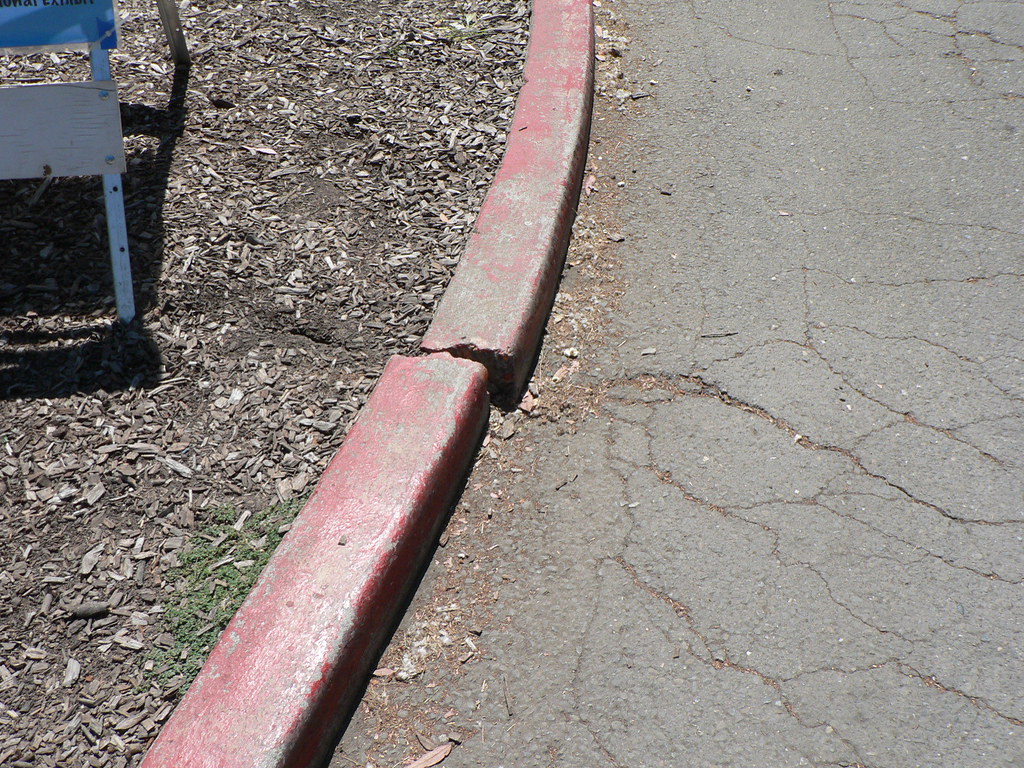
The reported earthquake activity is a reminder that small quakes do not automatically signal a major one — but they do put a high-risk Bay Area fault back under scrutiny. Here is why the Hayward Fault carries such outsized concern.
A rapid series of earthquakes struck a fault line in California described as one of America’s most dangerous: the Hayward Fault in the San Francisco Bay Area. The reported sequence has highlighted activity on a fault that runs through densely populated East Bay communities and has a documented history of destructive earthquakes.
Small earthquakes alone cannot tell scientists that a much larger quake is imminent. But the Hayward Fault matters because the U.S. Geological Survey says it may be capable of another magnitude 6.8 to 7.0 earthquake, a scenario with potentially serious consequences for homes, transportation, utilities and the regional economy.
Why the Hayward Fault draws concern
The Hayward Fault is part of the broader San Andreas fault system. It extends along the eastern side of San Francisco Bay, passing near or beneath communities including Fremont, Hayward, San Leandro, Oakland, Berkeley and Richmond.
Its reputation is not simply about geology. It is about exposure. Millions of people live, work, commute and rely on infrastructure in the broader Bay Area, meaning a strong rupture could affect far more people and systems than a similarly sized quake in a remote location.
USGS scientists have said the fault has repeatedly generated powerful earthquakes over time and may be ready to produce another event in the upper-6 to 7.0 magnitude range. That is a long-term hazard assessment, not a forecast of a particular day, month or year.
The label “America’s most dangerous fault line” is a media shorthand, not an official USGS ranking. Still, it captures the concern shared by many earthquake experts: a damaging quake on a fault running through the urban East Bay would test a region built around it.
What the reported quake sequence means
A rapid run of smaller earthquakes can be unsettling, especially when it is tied to a well-known fault. Yet earthquake sequences are not unusual in California, and most do not build into a large, destructive event.
Scientists distinguish between individual earthquakes, aftershock sequences and swarms. An aftershock sequence follows a larger mainshock. A swarm is a cluster of earthquakes in a limited area without one clear dominant quake. The available reporting on this episode does not establish that the activity is a reliable precursor to a major Hayward Fault rupture.
That distinction is crucial. Earthquakes can increase public attention, but current science cannot determine from a brief burst of small tremors whether a larger quake will follow. USGS earthquake forecasts describe probabilities over time and areas; they are not short-term predictions that identify an exact location, magnitude and date.
In practical terms, the latest activity is best understood as a reminder of an existing risk rather than evidence that a catastrophic event is about to happen.
The 1868 quake remains the benchmark
The Hayward Fault last produced a major earthquake on October 21, 1868. USGS estimates that quake at magnitude 6.8, and describes it as one of the most destructive earthquakes in California history.
Strong shaking lasted more than 40 seconds, according to the USGS account. Damage was especially severe in East Bay towns, while impacts were also reported in Oakland, San Francisco, San Jose, Napa and other communities. About 30 people were killed, despite the Bay Area being far less populated than it is today.
Ground cracking was traced for roughly 20 miles, from Warm Springs in Fremont north to San Leandro. Historical evidence suggests the rupture may have extended farther, toward Berkeley, and average horizontal movement along parts of the fault was about 6 feet.
The 1868 earthquake was known for a time as the “great San Francisco quake,” until the 1906 San Francisco earthquake eclipsed it in public memory. That historical shadow is part of why the Hayward Fault can receive less attention than the San Andreas despite sitting much closer to many East Bay neighborhoods.
Modern Bay Area risk is different
The Bay Area today has stronger building codes, more seismic retrofits and more sophisticated emergency planning than it did in 1868. Those changes can reduce injuries and damage, particularly in newer or upgraded structures.
But the region is also vastly more developed. A major Hayward Fault earthquake could disrupt roads, rail lines, water systems, power networks, hospitals, schools and businesses across the East Bay and beyond. Damage would depend on the rupture’s size, where it begins, local ground conditions and the resilience of individual buildings.
Older structures, especially those that have not been retrofitted, remain a focus of concern in earthquake-prone areas. Soft-story apartment buildings, unreinforced masonry structures and homes on unstable ground can face particular risks, though vulnerability varies building by building.
There is also a regional complication: a quake centered in the East Bay would not stay an East Bay problem. Workers, supply chains, transit networks and utilities connect the entire Bay Area, so disruption could spread well beyond the fault trace.
Preparedness matters more than prediction
For residents, the most useful response to reports of earthquake activity is not panic or constant monitoring. It is checking whether basic earthquake preparations are in place.
- Know how to respond: Drop, Cover and Hold On during shaking. Do not run outside while the ground is moving.
- Secure immediate hazards: Fasten tall furniture, water heaters and heavy objects that could fall.
- Keep essentials accessible: Store water, medications, flashlights, food and a way to charge or power phones.
- Make a communication plan: Decide how household members will reconnect if cell networks are overloaded.
- Check the building: Renters and homeowners can ask about seismic upgrades, gas shutoff guidance and emergency procedures.
USGS emphasizes that preparation, retrofits and community training can reduce the impact of a future Hayward Fault earthquake. Those actions are more dependable than attempts to read immediate danger into every cluster of small tremors.
What remains unknown after the tremors
Key details about the reported rapid-fire earthquakes — including the exact number of events, their magnitudes, depths and precise relationship to the Hayward Fault — are not established in the available source material. Those facts matter when seismologists assess a sequence.
It is also unclear whether the events represent a localized swarm, routine background seismicity or a pattern with a more specific geological explanation. USGS monitoring data can refine that picture as earthquakes are reviewed and locations are updated.
What is already clear is the broader point. The Hayward Fault is a long-recognized Bay Area hazard with a record of major earthquakes, and a burst of smaller California quakes brings that underlying risk back into public view — without providing a timetable for the next big one.
Leave a Reply