Lindell’s response puts a familiar election-integrity argument at the center of a Minnesota primary that appears to have produced a clear Republican nominee. The unresolved question is whether his claims will develop into a documented challenge or remain a public dispute over a projected result.
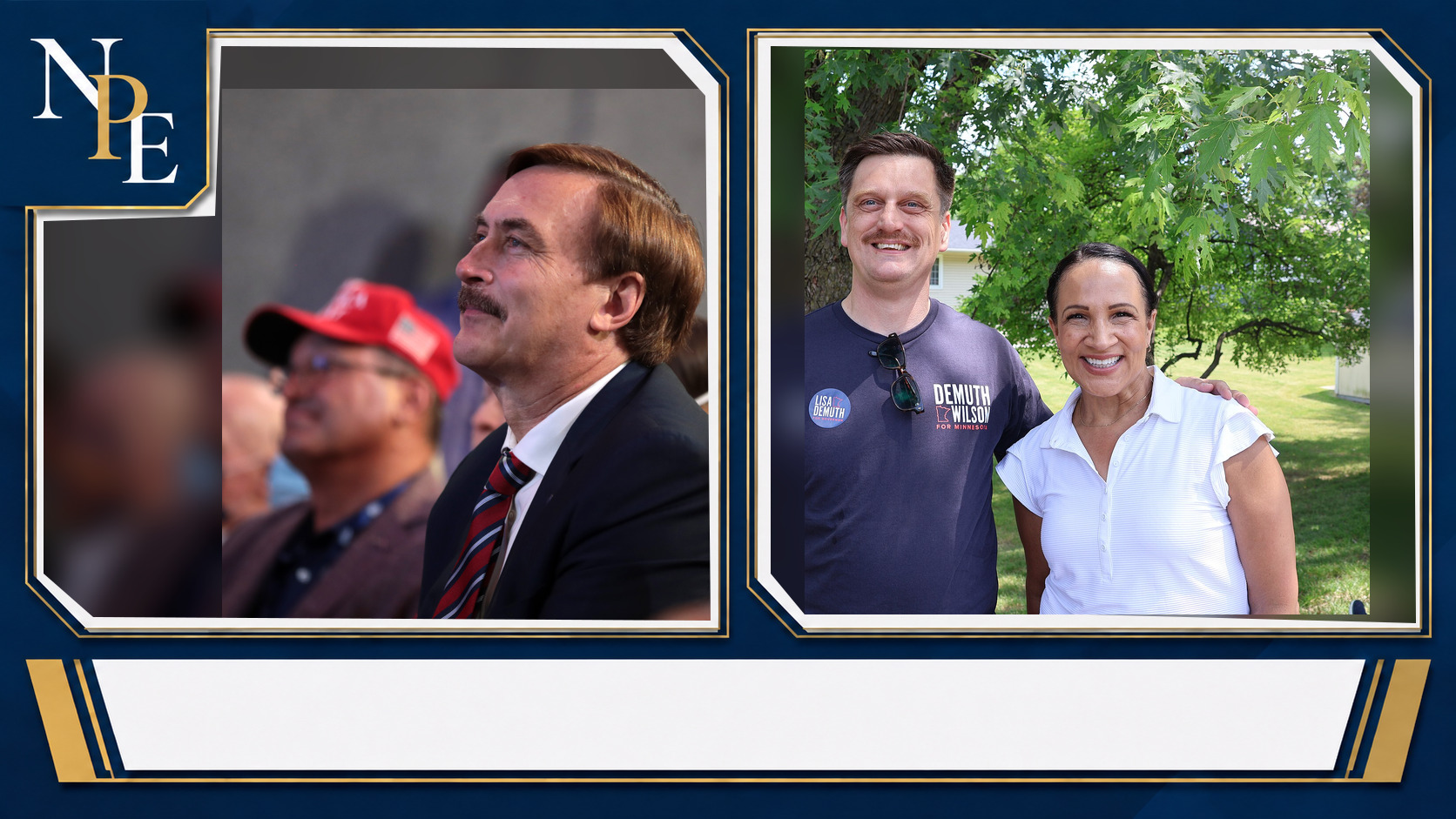
Trump-backed Mike Lindell is refusing to concede Minnesota’s Republican gubernatorial primary after losing to Minnesota House Speaker Lisa Demuth by roughly 11 percentage points, according to Decision Desk HQ. Lindell alleges voting anomalies and says votes remain to be counted, turning a projected primary loss into another public fight over election results.
The MyPillow founder and longtime Donald Trump ally says he will not end his campaign while the count is ongoing. Demuth, meanwhile, has declared victory and is positioning herself for the fall race against Democratic nominee Sen. Amy Klobuchar.
Demuth holds a projected lead
Decision Desk HQ projected Demuth as the winner of the Republican primary, with an advantage of about 11 percentage points over Lindell. The margin is central to the dispute: Lindell is not contesting a razor-thin outcome but a result reported as a significant lead for his opponent.
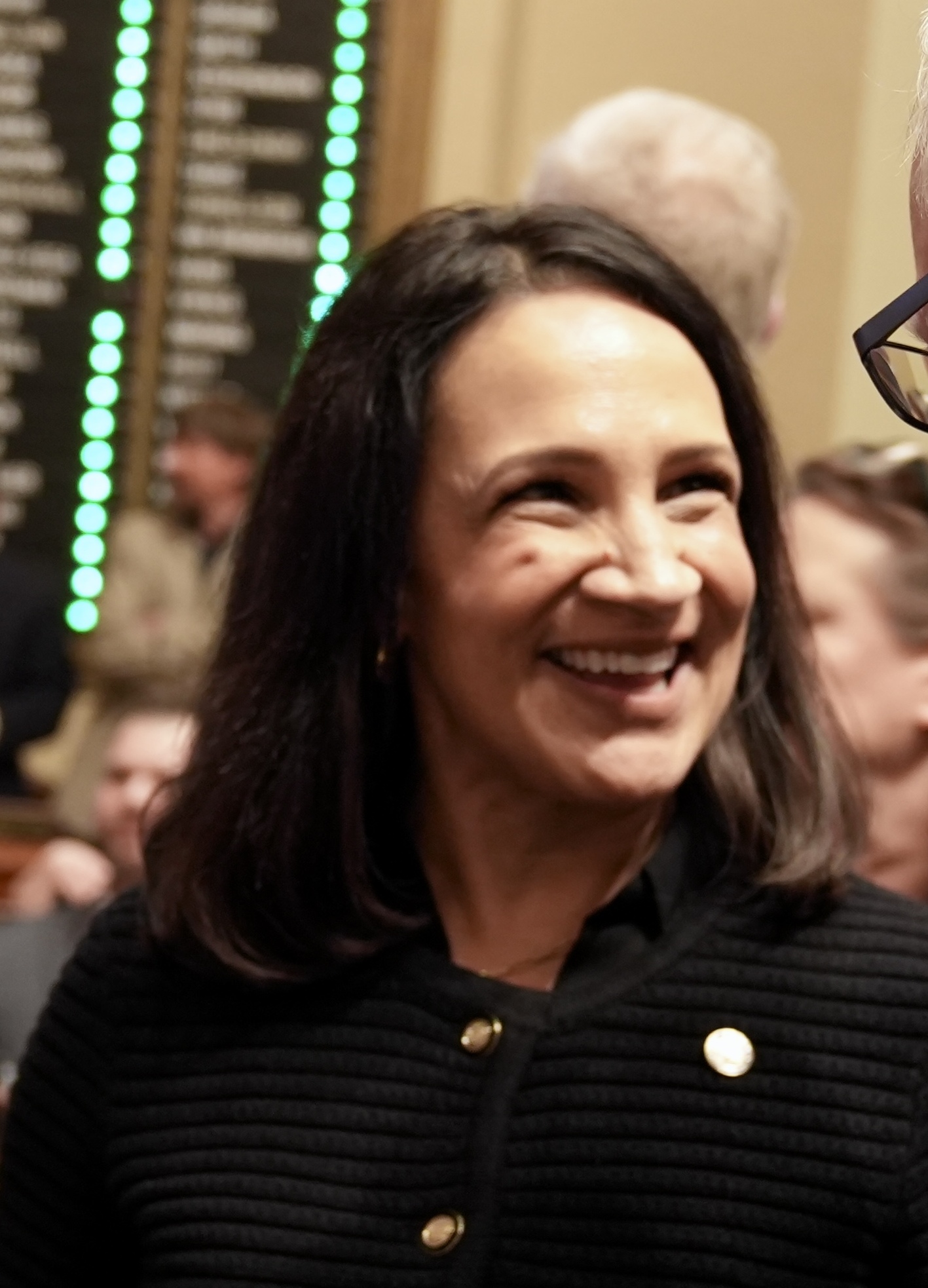
Demuth described her victory as a major milestone in a social-media statement issued after the primary. She also made clear that her focus had shifted to the general election, calling on Republicans to unite behind a campaign to change the direction of state government.
Her nomination sets up a fall contest with Klobuchar for the office being vacated by retiring Democratic Gov. Tim Walz. That means the immediate political stakes extend beyond the primary count: Minnesota Republicans need a nominee who can quickly organize, raise money and define a general-election message.
Lindell says counting must continue
On LindellTV, Lindell pushed back when asked whether he would concede if The Associated Press called the race for Demuth. “Why would I listen to the AP?” he said, according to reporting by The Hill.
Lindell said there were 265,000 votes left to count and that he was down by 18,000 votes. He argued that he would not give up before all ballots had been counted.
Waiting for a complete count is not, by itself, unusual. Election-night projections and media calls are not the same as certification, and vote totals can change as absentee, mail or provisional ballots are processed. But the reporting did not identify a particular voting anomaly, a formal complaint, or evidence Lindell had publicly offered to show that the reported outcome was inaccurate.
Counting concerns and fraud claims differ
The distinction matters. A candidate can reasonably say that every valid ballot should be counted before a final result is certified. That is a procedural position shared across parties and election systems.
An allegation of irregularities carries a different implication: that something may have gone wrong in how votes were cast, counted or reported. Such claims require specifics if they are to move beyond political rhetoric—such as identified ballots, precinct-level discrepancies, process violations or a formal request for review.
Lindell’s public comments, as reported, blended the two arguments. He emphasized outstanding votes while also alleging irregularities in vote totals. Until he provides details, it remains unclear whether he intends to seek a recount, challenge a specific election procedure, or simply withhold a concession while results are finalized.
- A media projection reports who is expected to win based on available returns and analysis.
- An official canvass and certification establish the formal result under state election procedures.
- A recount or legal challenge generally requires a defined process, deadlines and a stated basis for review.
Trump’s support raised the profile
Trump gave Lindell a late endorsement push before the primary, urging Minnesota Republicans in a Truth Social post to vote for him. Trump praised Lindell’s work on what he called free and fair elections and said he deserved a big win in Minnesota.
That backing gave Lindell’s campaign national visibility, but it did not carry him past Demuth in the reported primary results. Lindell had stepped down as MyPillow’s CEO to concentrate on the governor’s race, making the result a high-profile test of whether his name recognition and alliance with Trump could translate into statewide primary support.
Lindell has also been one of the most prominent supporters of Trump’s false claim that the 2020 presidential election was stolen. His current response therefore fits a well-established public role: he has repeatedly centered his political activism on doubts about election administration and vote-counting systems.
Republicans now face a timing test
For Demuth, the practical challenge is to consolidate the party after a contentious result while beginning a campaign against Klobuchar. A prolonged dispute could complicate that transition, especially if Lindell continues to question the primary’s legitimacy without initiating a formal process.
For Lindell, the next meaningful step would be clearer than another on-air objection. He could identify the alleged anomalies, explain whether he believes the vote count is incomplete or inaccurate, and state what remedy he is pursuing through Minnesota’s election procedures.
There are competing views on the posture he has taken. Supporters may see his insistence on counting every ballot as a demand for a complete record before conceding. Critics point to Demuth’s sizable projected lead and to Lindell’s history of unsubstantiated election claims, arguing that broad allegations without evidence can erode confidence in routine vote administration.
For now, Demuth is acting as the Republican nominee, while Lindell is treating the race as unsettled. The central issue is not whether a candidate may wait for final totals; it is whether allegations of voting anomalies will be supported with verifiable details and pursued through the state’s established election process.
Leave a Reply