The close call was not a bite injury, but it showed how quickly a routine lifeguard patrol can turn dangerous when sharks are active near shore. Officials are continuing to watch waters around Scarborough Beach and nearby Higgins Beach.
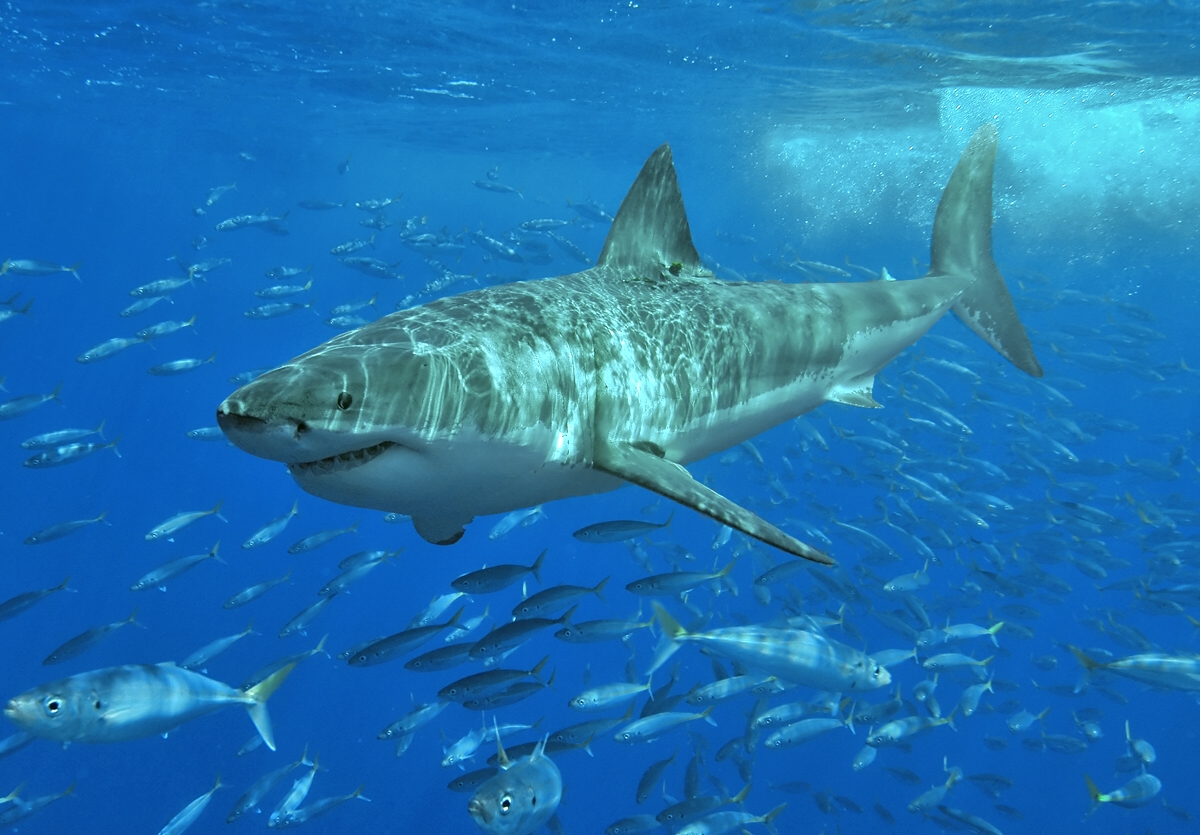
A great white shark pulled lifeguard Greg Wilfert underwater at Scarborough Beach State Park in Maine, an East Coast family beach destination, during a patrol swim on Saturday. Wilfert, 71, said the shark grabbed his rescue torpedo and dragged him roughly 6 feet below the surface before he escaped and returned to shore uninjured.
The close encounter matters because white sharks have been reported near Scarborough’s beaches in recent days, forcing beach staff and police to weigh a familiar summer tension: keeping the water open while treating an unpredictable ocean environment seriously.
The rescue float became the target
Wilfert was swimming with other lifeguards on shark patrol at about 1 p.m. when he felt a powerful pull. At first, he told CBS News Boston, he thought he had been caught in a boat propeller.
Then he realized there was no boat. Wilfert said he believed immediately that the animal was a great white shark.
According to his account, the shark grabbed the rescue torpedo attached to him, rather than biting him directly. The flotation device, commonly called a rescue can, is meant to help lifeguards support swimmers in trouble. In this case, its strap briefly connected Wilfert to the force pulling him underwater.
Wilfert said he slipped out of the strap, surfaced quickly and headed straight for the beach. A witness saw the rescue torpedo burst out of the water as he made his way back, Scarborough Police said.
An escape without a reported injury
Wilfert described the force of the pull as unlike anything he had felt before, and said the experience was frightening. Yet he was not injured, according to CBS News Boston, and returned to work Sunday.
That distinction is important. The incident was a serious shark encounter, but the available reporting does not describe a bite wound or an attack on Wilfert’s body. The shark’s interaction with the rescue equipment appears to have been the immediate reason he was dragged underwater.
It also leaves a key uncertainty. Wilfert identified the shark as a great white based on what happened in the water, while the reporting describes area biologists as monitoring white sharks nearby. The source material does not say that the individual animal involved was independently identified after the encounter.
For beachgoers, the difference may not reduce the shock of the event. But it matters for understanding what is known: officials were responding to shark activity in the area, while the exact animal involved was not publicly confirmed in the report.
Beach staff briefly cleared the water
Wilfert shut down Scarborough Beach for about an hour after reaching shore. He said he was yelling for people to get out of the water because he did not know where the shark was.
The beach later reopened, but the response did not stop at the shoreline. A drone was launched overhead and jet skis searched the water, according to the report. Wilfert said drones are flown at regular intervals and jet skis are used when sharks are spotted.
Scarborough Beach State Park remained under red and yellow alerts while sharks were still present in the area, CBS News Boston reported. Scarborough Police said public safety remained the priority.
A temporary closure can frustrate visitors who have made plans around a beach day. The competing reality is that a short interruption is one of the few immediate tools authorities have when a large animal may still be moving through a crowded swimming area.
Shark activity was already rising
The encounter came days after more than half a dozen white sharks were recorded on video near popular local beaches over a 48-hour period, according to CBS News Boston. Biologists monitoring the coast believed the number of sharks lingering in the broader area had risen to more than a dozen.
Those animals were described as juveniles measuring about 6 to 12 feet. They had been seen near sandbars and in nearshore water at Scarborough Beach and Higgins Beach.
Scarborough Police said no other shark interactions had been reported in the area and characterized Wilfert’s experience as consistent with activity already being observed. That is a reminder that sightings alone do not necessarily lead to an encounter, even when they understandably change the mood on the beach.
John Chisholm, an adjunct scientist at the New England Aquarium, told CBS that warmer water is making New England more hospitable to some sharks. He said sharks are not unusual in the region at this time of year, though the number of white sharks was surprising and more comparable to counts seen near Cape Cod tagging sites.
What ocean visitors can control
Beach safety guidance cannot eliminate the risks of swimming in open water. It can, however, reduce avoidable exposure when shark activity is known or conditions make it harder to see what is nearby.
- Follow lifeguard directions immediately. A water-clearance order is based on information beach staff have at that moment, not on a guarantee that a shark will be visible from shore.
- Avoid swimming alone. Experts cited by CBS advised using the buddy system rather than entering the ocean solo.
- Give seals and schools of fish space. Those are areas experts said swimmers should avoid.
- Stay closer to shore. Wilfert urged swimmers not to head into deeper water, particularly while sharks are active nearby.
- Do not treat a reopening as an all-clear forever. Conditions and animal movement can change quickly, which is why monitoring continues after a beach reopens.
A rare close call, not a reason for panic
Wilfert’s experience is striking because he was a trained lifeguard on patrol, carrying the very equipment designed for rescue. His ability to release the torpedo strap and get back to shore was central to the outcome.
At the same time, the event should not be read as proof that every swimmer at Scarborough Beach faces the same immediate danger. Officials reported no other interactions, and the beach reopened after the initial closure.
The practical lesson is narrower and more useful: shark reports deserve attention, especially when lifeguards and police are actively monitoring a beach. A crowded, family-friendly shoreline is still part of a wild coastal environment, and decisions made in the first minutes after a sighting can matter.
For now, Scarborough officials and biologists are continuing to watch the area. What remains unclear is how long the cluster of sharks will stay near the beaches, and whether further closures will be needed as conditions shift.
Leave a Reply