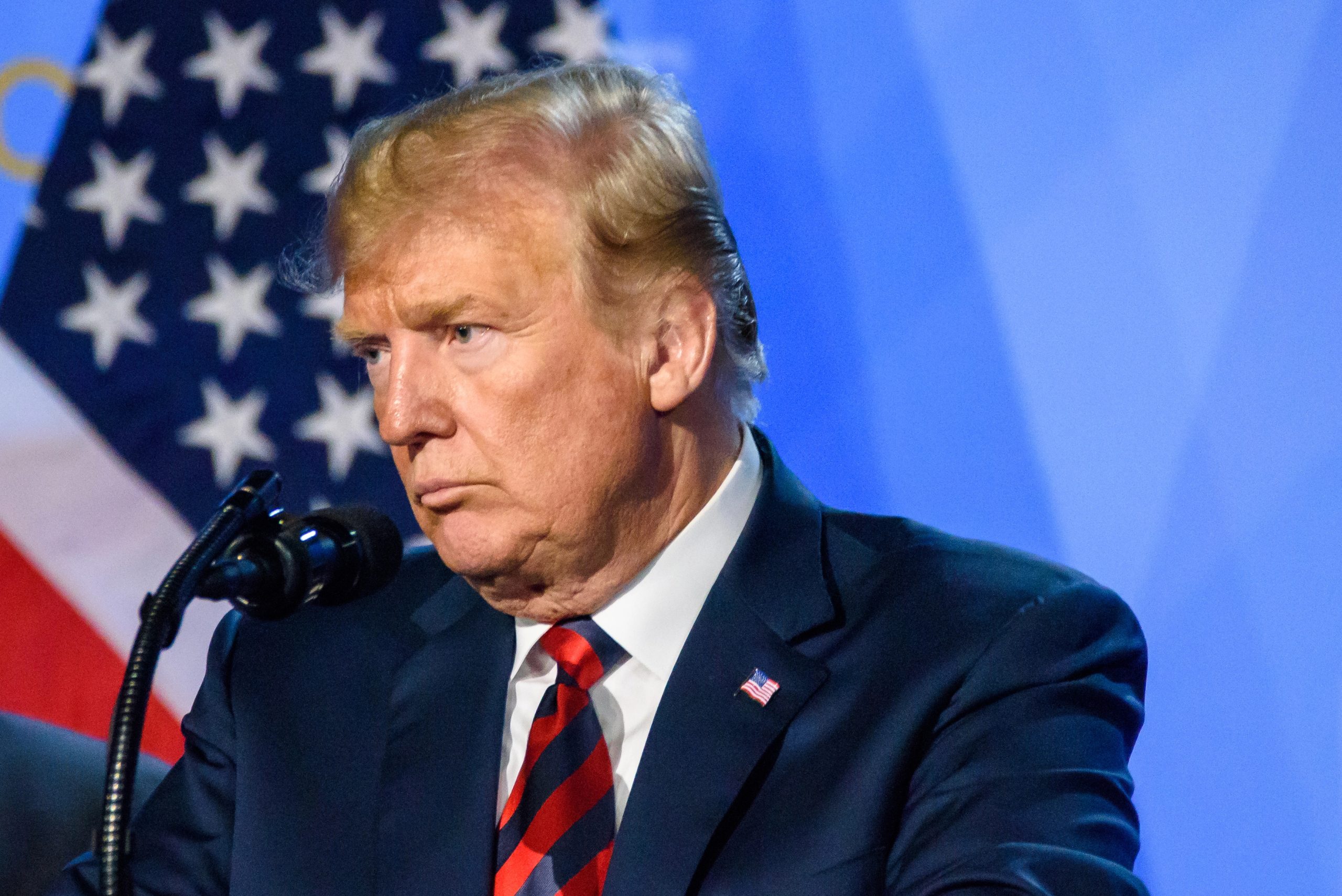
The clash over a proof-of-citizenship voting bill has become a test of whether Senate Republicans will follow Trump’s demand for action or Thune’s assessment of the votes. The immediate obstacle is procedural, but the dispute also highlights a deeper divide within the GOP.
Donald Trump is pressuring the Senate to pass the SAVE America Act, while Senate Majority Leader John Thune says the voting bill cannot advance without 60 votes. The dispute is creating a split among Senate Republicans: Trump wants action before the August break, but Thune is confronting a 53-47 Republican majority and a legislative filibuster that GOP leaders say they cannot overcome.
The SAVE America Act would impose stricter proof-of-citizenship requirements for voting. Trump has demanded that the Senate either pass it or change procedure to get around the filibuster, turning a policy fight into a public test of Republican unity and Senate power.
Trump’s demand targets the recess
Trump’s message was aimed at both the bill and the Senate calendar. He said senators should not leave Washington for the August break without passing the SAVE America Act, a measure that has become a major priority for him ahead of the 2026 midterms.
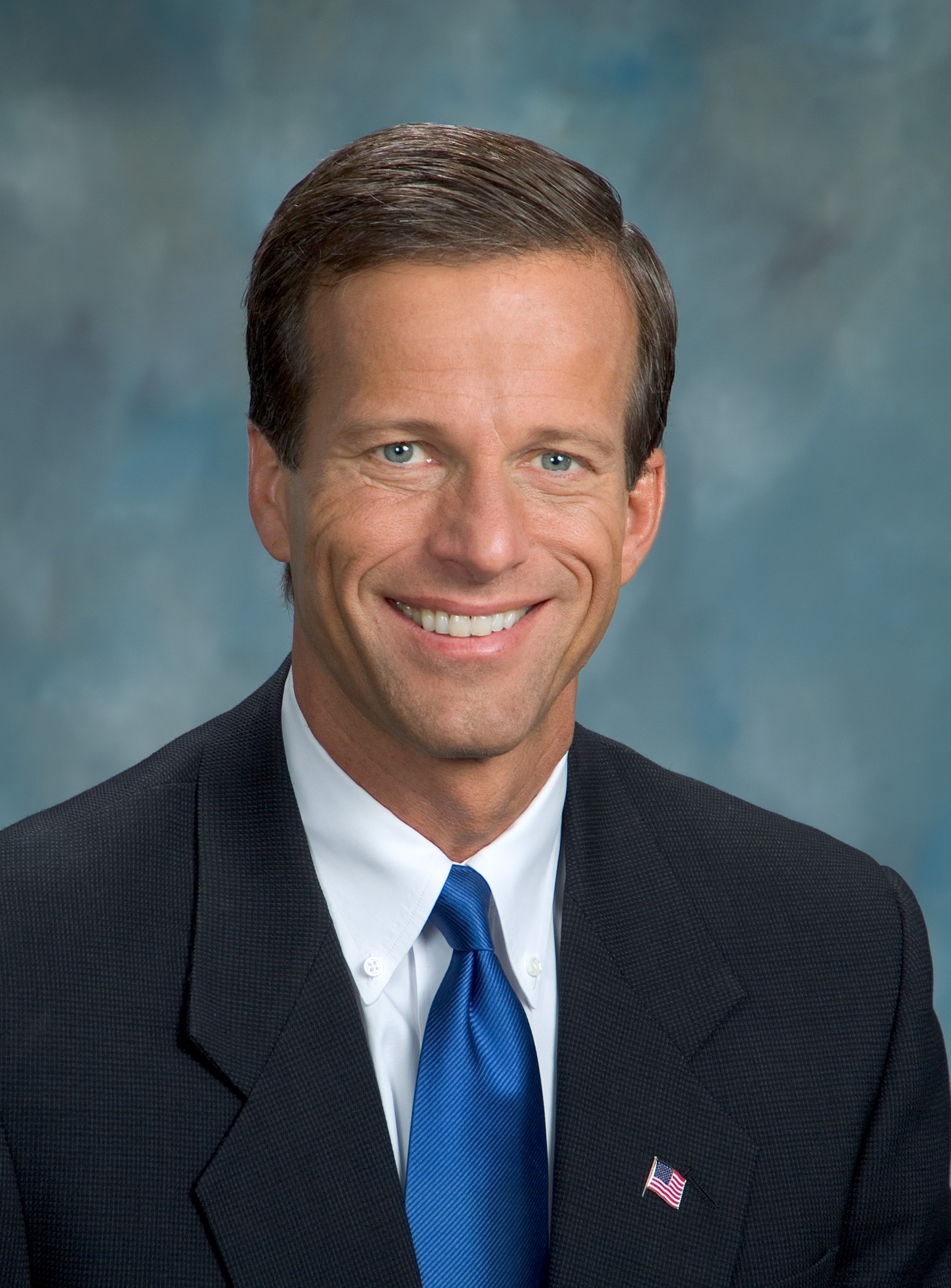
According to the Associated Press, Trump wrote on social media that Thune should not allow the Senate to “leave town” until it passes the bill or, as Trump put it, “TERMINATES THE FILIBUSTER.” He later told reporters that he has a good relationship with Thune but said the majority leader has “got to get his job done.”
That puts Thune in an awkward position. Trump is not simply seeking a Senate vote on the legislation; he is demanding a result. Thune and other Republican leaders have said the current rules and current vote count do not provide one.
Why 60 votes remains decisive
Most legislation in the 100-member Senate needs 60 votes to overcome the legislative filibuster and move forward. With Republicans holding a 53-47 majority, the SAVE America Act would need backing from at least seven Democrats unless the Senate changes its rules or finds another permissible route.
Thune’s position has been that Republicans lack the votes to enact the bill and also lack the votes to change the rules for it. His argument is less about whether the proposal has support within the party than whether that support can clear the Senate’s procedural threshold.
Thune told reporters he would support canceling the break if a path to passage existed. But, citing multiple prior attempts to move the legislation, he asked, “Show me how this ends.”
The contrast explains the tension. Trump has framed the issue as a demand for resolve. Thune has framed it as a problem of Senate arithmetic.
What the bill would require
The SAVE America Act, short for Safeguard American Voter Eligibility, would establish new national requirements for voter registration and voting. Americans would generally have to show proof of citizenship when registering, using documents such as a U.S. passport or birth certificate.
The measure also would require valid photo identification before casting a ballot. Supporters say those rules are necessary to protect elections and reassure voters concerned about vulnerabilities in the system.
Trump has made the bill a major 2026 priority and has said it would help “guarantee” the midterms. Critics and voting experts, however, warn that the documentation rules could create obstacles for eligible voters who do not readily have the required paperwork.
The Associated Press reported that experts have said roughly 20 million Americans may lack birth certificates or other documents readily available. The debate also rests on competing assessments of election integrity: Trump has repeatedly said election cheating is “rampant,” while broad claims of widespread noncitizen voting or mass election fraud have not been supported by evidence at the scale he suggests.
Republicans disagree over the strategy
Pressure on Thune is coming from inside his own conference as well as from Trump. Utah Sen. Mike Lee has been among the Senate’s most vocal advocates for the SAVE America Act and warned, according to the AP, that the party’s handling of the legislation could affect the midterms and future Senate GOP leadership contests.
Louisiana Sen. John Kennedy said Thune was being “a bit too cautious” and argued that senators eventually have to vote. That view favors forcing a confrontation, even if success is uncertain, to demonstrate that Republicans are pursuing the bill.
Other senators have aligned with Thune’s more cautious approach. Texas Sen. John Cornyn said keeping senators in Washington indefinitely would not alter the vote count and warned against “overpromising and underdelivering.” North Carolina Sen. Thom Tillis said most Senate Republicans support Thune’s position.
The disagreement is therefore not just over election policy. It is over whether an unsuccessful procedural battle would show political determination or underscore the limits of the Republican majority.
A simple-majority route is uncertain
House Republicans have explored using budget reconciliation, a process that can allow some measures to pass the Senate with a simple majority. The House approved a budget framework containing $10 billion for voting-related changes tied to the SAVE America Act.
But reconciliation has strict rules governing what can be included, and Thune has said Republicans do not currently have the votes to use that approach either. It is not a guaranteed escape from the 60-vote hurdle.
The timing adds another complication. The August break is when senators return to their states, attend events, raise money and prepare for midterm campaigns. For Republican senators facing competitive races, an extended standoff in Washington has political costs of its own.
Trump’s allies see delaying the break as leverage to force action. Thune’s supporters see it as symbolic unless the Senate first identifies the missing votes or a valid procedural route.
The fight is about more than one bill
The immediate question is whether the SAVE America Act can become law with a 53-47 Republican Senate and a 60-vote requirement still in place. There is clear Republican support for the measure, but support within one party does not by itself resolve the Senate’s procedural barriers.
The broader question is how much influence Trump can exert over Senate procedure when the chamber’s rules and vote totals point in a different direction. His public pressure has made Thune’s challenge more visible without changing the basic calculation.
It remains unclear whether Trump will escalate his criticism of Thune, whether enough Republican senators will back weakening or bypassing the filibuster, or whether a compromise version of the measure could advance before the midterm campaign intensifies. For now, the dispute leaves Senate Republicans divided between demanding a fight and demonstrating a path to victory.
Leave a Reply