A damaged Washington landmark became a law-and-order story on cable news. The harder part came when the government’s own filing complicated the original accusation.
Fox amplified Donald Trump’s claim about the Lincoln Memorial Reflecting Pool in Washington, where he said vandals caused major damage. Federal prosecutors later moved to drop the criminal case and said the damage was likely caused by contractor work, installation flaws and a rushed project, not the charged vandalism theory. According to CNN media critic Brian Stelter’s analysis, Fox then ignored or downplayed the fallout after prosecutors changed course.
That reversal matters because the Reflecting Pool story did not stay a maintenance dispute. It became a test case in how a vivid political allegation can move quickly through cable coverage, while the evidentiary cleanup arrives later and with far less force.
A claim built for television
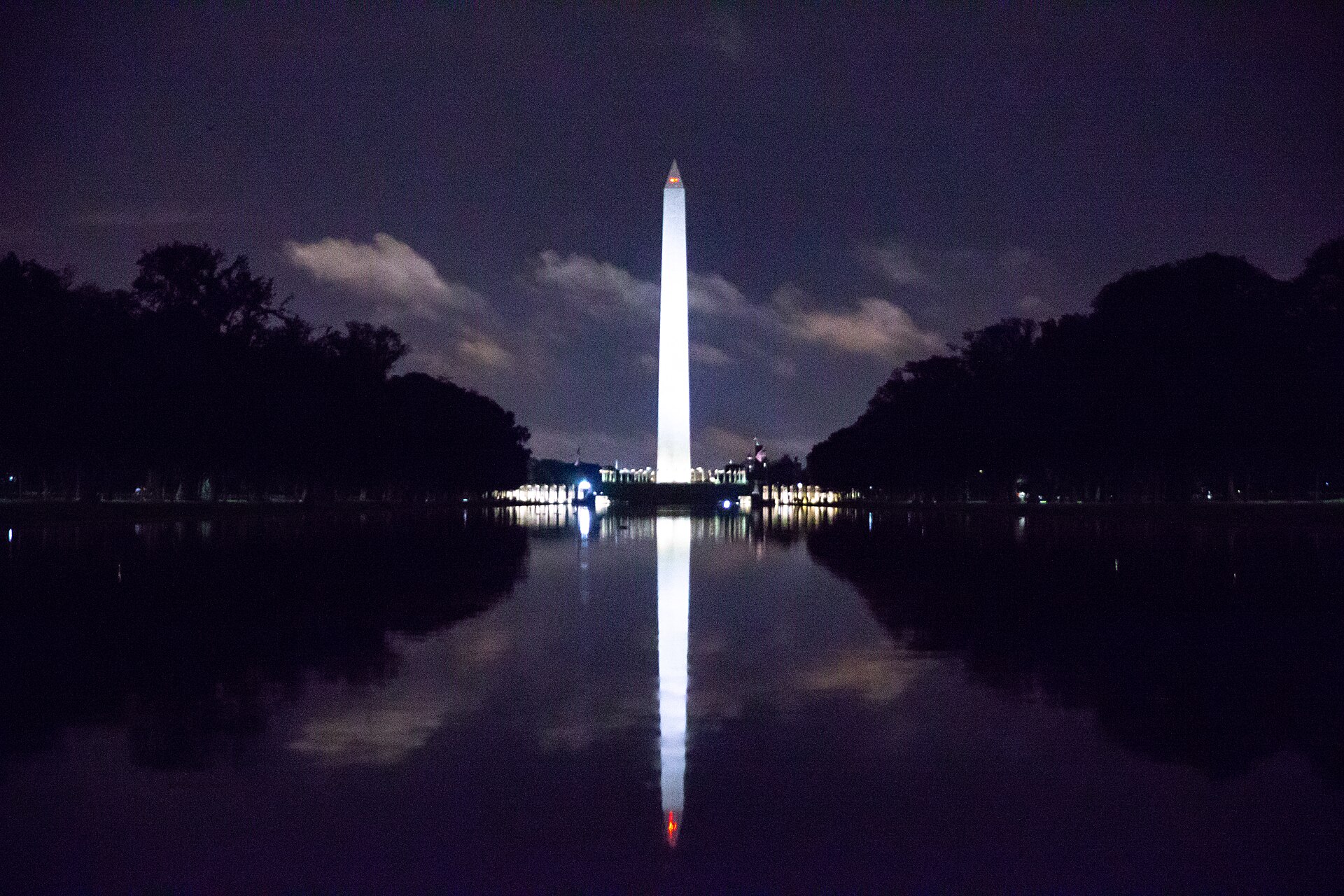
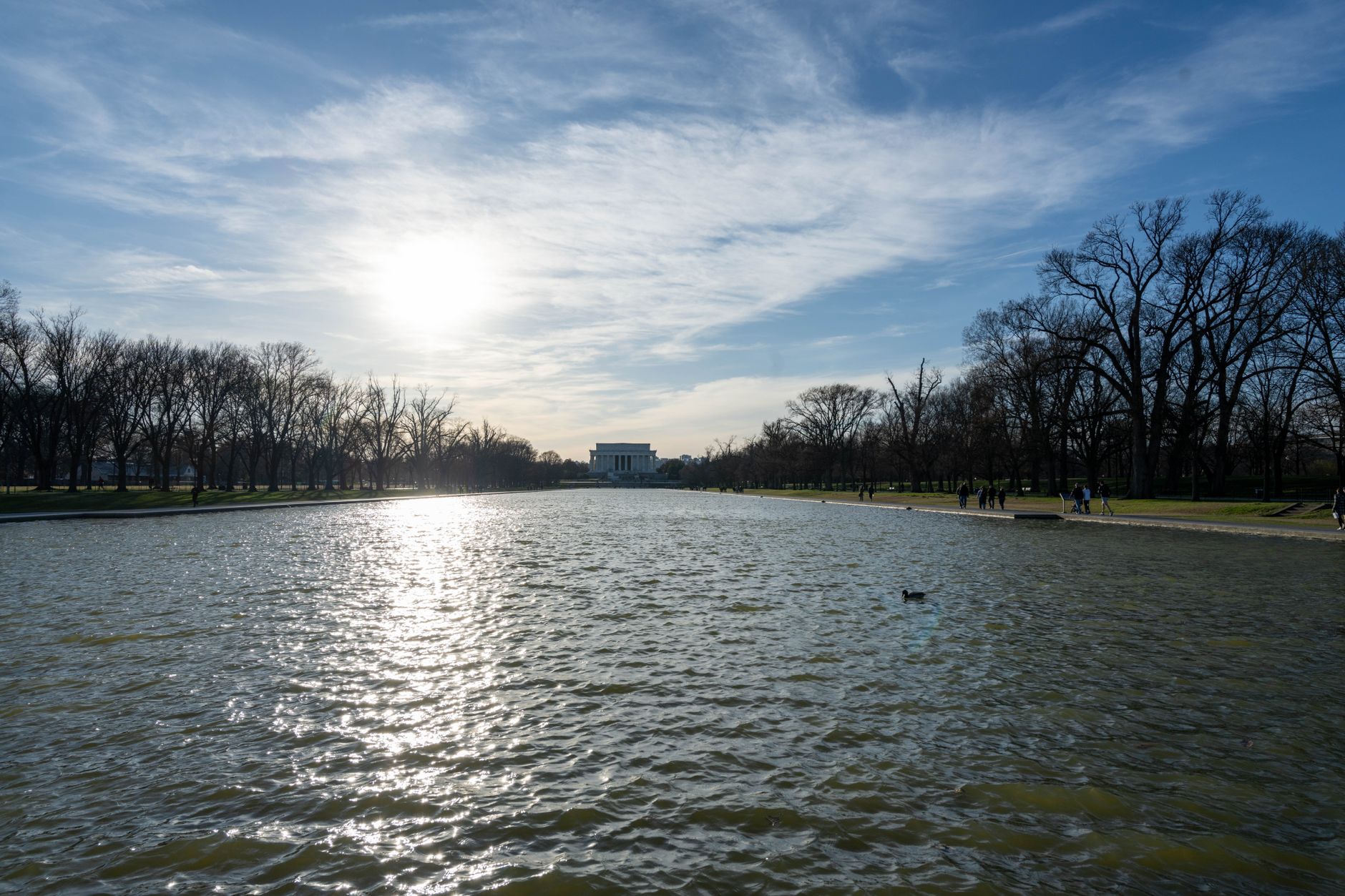
Trump’s account had the ingredients of a clean political segment: a beloved national landmark, alleged vandals, a damaged public space and a promise of accountability. The Lincoln Memorial Reflecting Pool sits in one of Washington’s most recognizable civic settings, between the Lincoln Memorial and the Washington Monument.
As described in Stelter’s CNN analysis, Fox did more than note that Trump had made the allegation. The network helped keep the Reflecting Pool episode in circulation as a symbol of disorder, public disrespect and the need for tougher enforcement.
That kind of framing can change the meaning of a local or technical dispute. A torn liner becomes more than a repair problem. A defendant becomes a stand-in for a broader argument about crime and national decline. A criminal case can look like confirmation before the government has finished testing the evidence.
The weakness in that story emerged not from a pundit’s objection, but from prosecutors’ own reassessment.
The court filing shifted blame
PBS NewsHour, citing reporting from The Associated Press, reported that the office of U.S. Attorney Jeanine Pirro moved to drop criminal charges against David Hearn, a former Olympic canoeist. Hearn had been accused of deliberately damaging the Reflecting Pool by pulling up a two-foot-square piece of its lining.
The government’s later explanation moved away from that theory. In a 20-page court filing, prosecutors said additional Interior Department documents showed the damage resulted from a botched installation by a contractor and a rush to finish the project before events tied to America 250 around Independence Day 2026.
Prosecutors also cited a visual inspection showing damage across the pool, including in the middle. According to the filing described by PBS and AP, that undercut the idea that someone had simply peeled up the liner from an edge, because a person attempting that would not likely have started in the middle.
The filing did not present the renovation as a success. It raised a different and politically awkward possibility: the damage Trump attributed to vandals may have stemmed from contractor work and project execution tied to the government-backed renovation.
Pirro landed in Trump’s path
The turn in the case put Pirro in an unusual position. She is now the U.S. Attorney for the District of Columbia, and she is also a former Fox News host. Her office’s move to drop the case placed her on the opposite side of Trump’s public claim.
Trump reacted sharply. In a social media post reported by PBS and AP, he said he disagreed “100%” with Pirro. He acknowledged there “may have been some contractor difficulty,” but continued to say the major damage was caused by “VANDALS!”
On Monday, according to PBS NewsHour, Trump said Pirro “made a mistake,” said “I guess she choked,” and added that she “folded like a cheap umbrella.” He declined to say whether he would move to fire her.
The dispute was notable because Pirro was not a random official unknown to Trump’s audience. She was a familiar media ally who became a federal prosecutor and then oversaw a position that made Trump’s version of events harder to sustain.
Fox’s quieter second act
The media issue raised by Stelter’s analysis is not simply that Fox covered Trump’s original claim. A president’s allegation about damage to the Lincoln Memorial Reflecting Pool is newsworthy, and the damage itself was a legitimate subject of public interest.
The sharper question is what happens after the story changes. Allegations travel well on cable news because they are simple, visual and emotionally charged. Court filings, inspection records and caveats rarely land with the same impact.
If viewers heard the vandalism claim repeatedly but did not receive the same attention to prosecutors’ reversal, they would be left with an outdated understanding of the case. That is the imbalance Stelter’s critique points to: the first version of the story was politically useful, while the second version was messier and less convenient.
There is a counterargument. Trump’s supporters may say the filing does not prove that no vandalism occurred at all, especially because Trump continues to insist that vandals caused the major damage. They may also argue that contractor problems and possible vandalism are not mutually exclusive. But prosecutors were not weighing a cable-news narrative; they were deciding whether the criminal charge against Hearn could stand on the evidence they described.
The contractor questions remain
The contractor issue opened another line of scrutiny. PBS NewsHour reported that Trump acknowledged the contractor had been rushing to finish before July 4, while also suggesting he did not know the contractor.
PBS noted that this appeared to contradict Trump’s earlier comments from April, when he said he chose the company because it had done work at his golf course in Virginia. That inconsistency matters because the filing shifted attention from a suspected act of vandalism to the choices and timing behind the renovation itself.
The unanswered questions are practical as well as political. Who selected the contractor? What exactly was rushed? What did officials know about the liner installation before criminal charges were pursued? And how did the additional Interior Department documents change the government’s view of the case?
Those questions are less telegenic than a vandalism allegation, but they are central to understanding why the prosecution retreated.
The story after the reversal
The dropped-case filing answers one narrow question: based on the evidence prosecutors described, the government no longer appeared willing to continue pursuing the criminal charge against Hearn. It does not fully settle how the Reflecting Pool was damaged or whether any separate vandalism occurred.
It also leaves Fox with an editorial test. Covering Trump’s original allegation can be defended as news coverage of a public claim about a major Washington landmark. The credibility issue comes when the claim is complicated by the court record.
For Trump, the episode remains a political fight over vandalism, accountability and national symbols. For prosecutors, it became an evidence problem. For Fox, according to Stelter’s analysis, the challenge is whether the second half of the story reaches the audience that heard the first.
The Reflecting Pool controversy is therefore no longer just about a damaged liner. It is about the path from accusation to prosecution to reversal, and whether cable-news attention follows the facts when they move in a less convenient direction.
Leave a Reply