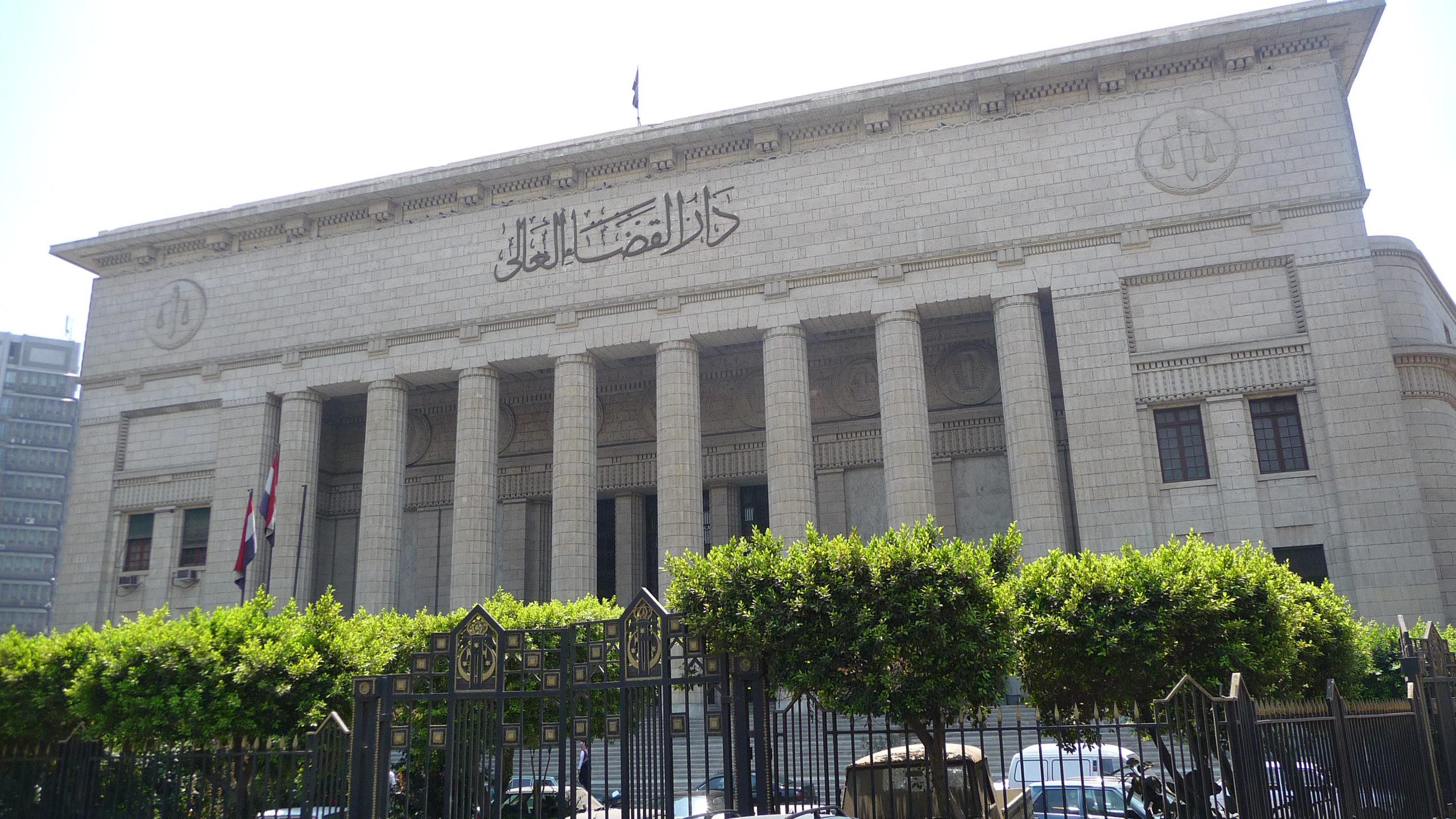
The dispute tests who controls military enlistment policy at a moment when Israel says it needs more soldiers. It also exposes a deeper clash between the government, the attorney general and the court.
The Israeli government warned the High Court on Tuesday that draft-arrest enforcement against ultra-Orthodox yeshiva students in Israel could trigger civil war. In the haredi draft case, the government argued that arresting yeshiva students would undermine a gradual rise in enlistment.
It also criticized the court process, saying the outcome is “known in advance” and declining to hire private counsel to defend the law. The fight now turns on whether a temporary freeze on arrests protects enlistment efforts or unlawfully shields one group from enforcement.
A warning aimed at arrests
The government’s position, submitted before a High Court hearing on the haredi draft enforcement freeze, was stark: “Israel needs haredi recruits, not haredi detainees.” That line captures the government’s central argument. It says coercive enforcement, especially arrests of full-time yeshiva students, may push potential recruits away instead of bringing them into the Israel Defense Forces.
According to the reported filing, the government said arrests could reverse a gradual increase in enlistment and, in its sharpest formulation, risk “civil war in the midst of a multi-front war.” That is a serious claim, and one the government presented as a practical warning rather than a legal brief built around constitutional doctrine.
The filing did not deny that the students covered by the law still have a legal obligation to serve. Instead, it argued that enforcement should be focused primarily on people who claim to study in yeshiva but are not genuinely doing so.
The law at the center
The temporary law passed on July 14 and was frozen the next day by Justice Ofer Grosskopf. It suspends enforcement against qualifying haredi yeshiva students until November 30, but it does not give them a formal exemption or deferment from military service.
That distinction is crucial. The measure does not erase the duty to enlist. It limits what the state can do, for now, to arrest, investigate or prosecute certain students covered by the law.
Five petitions challenging the measure were scheduled to be heard by an expanded nine-justice panel. The case is not just about one enforcement tool. It is about whether the Knesset can temporarily pause enforcement for a defined group while the broader draft crisis remains unresolved.
For the government, the pause is presented as a way to avoid blowing up fragile enlistment channels inside haredi communities. For opponents, the pause looks like a special legal shield for people who remain obligated to serve.
Why the government refused counsel
The government told the court it had declined to hire a private attorney because, in its view, the judgment was already “known in advance.” That was not a neutral procedural note. It was an accusation that the legal process had effectively been decided before the hearing.
The filing also accused the court of violating the separation of powers and criticized the Attorney-General’s Office for allegedly obstructing efforts to increase haredi enlistment. The State Attorney’s Office formally submitted the document at the request of Cabinet Secretary Yossi Fuchs, while attaching an unusual disclaimer: filing the document did not mean prosecutors agreed with its factual or legal claims.
That disclaimer matters because it shows the state speaking with more than one voice. The government is defending a policy choice. The attorney general’s side is challenging the legality of that choice. The court is being asked to decide between them.
The government also claimed that President Isaac Herzog, Fuchs and other officials had asked the Attorney-General’s Office to support a temporary suspension of arrests, but that those requests went unanswered. The reported filing did not attach supporting correspondence or data for that claim.
The attorney general’s objection
Attorney-General Gali Baharav-Miara has asked the court to strike down the amendment. Her position, as reported, is that the law creates a discriminatory “group immunity mechanism.” In other words, it leaves the legal duty to enlist in place while protecting a defined group from the consequences of noncompliance.
That objection goes to equality before the law. If one group is legally required to serve but temporarily protected from enforcement, critics argue, the state is not merely managing priorities. It is creating a privileged enforcement category.
The Knesset’s own legal advisers raised a separate procedural objection. They argued that the law was enacted through a fundamentally defective process because the final measure was wholly different from the broader enlistment proposal that had passed its first reading. They described it as a prohibited “new subject.”
Those arguments are the legal core of the petitions. The government’s filing, by contrast, leaned heavily into institutional criticism and policy risk: the court should not, in its view, force arrests that could damage enlistment efforts and social stability.
Recruitment versus legitimacy
The government’s practical concern is that arrests may make enlistment harder, not easier. It cited warnings from organizations involved in recruiting soldiers to the IDF’s Hashmonaim Brigade and Netzah Yehuda Battalion, as well as heads of haredi hesder yeshivas, that “random arrests” were weakening the legitimacy of uniformed haredim inside their communities.
That is the most politically sensitive part of the case. Haredi enlistment is not only a legal issue; it is also a social one. A young man who joins the army may face pressure from his community. If arrests are seen as sweeping or punitive, the government argues, they could make service appear less legitimate rather than more normal.
But there is a competing concern. If enforcement is suspended for full-time yeshiva students, Israelis who do serve may see the system as unequal. That perception can also weaken legitimacy — not inside haredi communities, but among soldiers, reservists and families bearing the burden of service.
The court must weigh those tensions without turning a policy disagreement into a substitute for legal analysis. The government says the real-world fallout could be severe. The challengers say the law itself is discriminatory and procedurally flawed.
What remains unresolved
The immediate question is whether the High Court will allow the temporary enforcement freeze to stand, narrow it, or strike it down. Because the law is set to run only until November 30, timing is part of the pressure. A ruling could shape not only arrests but the political space for a broader enlistment arrangement.
Several important facts remain unclear from the government’s filing as described. It asserted that arrests hurt recruitment, but no supporting data was attached. It said officials asked the attorney general to support a suspension, but no correspondence was included. It argued the result is known in advance, but that claim is a political and institutional accusation, not proof of prejudgment.
The larger dispute will not end with one hearing. Israel’s haredi draft fight sits at the intersection of military manpower, religious study, coalition politics and the authority of legal institutions. The government is asking the court to avoid an enforcement path it says could fracture society. Its opponents are asking the court to prevent a temporary law from becoming selective immunity.
The clean takeaway is that this is no longer only a fight over draft arrests. It is a test of whether Israel can expand haredi enlistment while maintaining equal enforcement — and whether the government, the attorney general and the High Court can resolve that question without deepening the institutional crisis around it.
Leave a Reply