The fight is now less about what juries found and more about whether paid or secured civil judgments can be unwound while appeals remain active.
Donald Trump is trying to claw back money tied to E. Jean Carroll’s jury awards, and E. Jean Carroll’s lawyers are opposing Trump’s effort in court. In New York’s Manhattan federal court, the dispute over whether Trump can unwind payments while appeals continue centers on two judgments: $5 million and $83.3 million, totaling $88.3 million.
That is why the Trump clawback bid puts Carroll’s $88.3 million jury awards back in play: the next fight is about collection, restitution and how final a civil judgment really is before the appeals are over.
The fight after the verdicts
The latest phase of the Carroll litigation is not a retrial of every allegation. It is a money dispute that follows two jury awards and Trump’s continuing effort to challenge the results.
According to The Independent, Carroll’s attorneys are opposing Trump’s effort to claw back payments connected to the case. Carroll’s side is treating the request as another attempt to keep contesting money that juries already awarded.
Trump’s side is pressing a different point: if a higher court later changes, narrows or overturns part of the judgments, he wants a path to recover funds he argues should not remain with Carroll.
That puts Manhattan federal court in the role of referee between two familiar civil-litigation principles: winners should be able to enforce judgments, and losing parties should not be left without a remedy if an appeal later changes the legal ground.
Two awards, separate tracks
The $88.3 million figure comes from two related but distinct proceedings. The first was a $5 million verdict from a 2023 Manhattan federal jury.
That jury found Trump liable for sexually abusing Carroll and defaming her. It did not find that he raped her under New York’s legal definition of rape. Trump has denied wrongdoing and has continued to contest the outcome.
A later jury awarded Carroll $83.3 million in a separate defamation trial focused on Trump’s 2019 statements after Carroll publicly accused him. In that proceeding, the judge instructed jurors to determine damages based on earlier liability findings.
The distinction matters. A challenge to one judgment does not automatically erase the other, and each award can involve different procedural steps, appellate arguments and enforcement questions.
Why Trump wants recovery rights
A clawback request is built around a practical concern. If money changes hands while appeals are still pending, and a higher court later rules in the defendant’s favor, the defendant may seek restitution.
In civil cases, courts can decide whether a judgment may be collected immediately, whether collection should be paused, whether a bond protects the winning party, or whether some later recovery mechanism should be preserved.
Reuters previously reported that a judge said Carroll could collect the $5 million award, rejecting Trump’s push to block collection while citing his continuing appellate efforts. Separately, earlier Associated Press reporting carried by PBS said Trump posted a bond of more than $90 million while appealing the $83.3 million verdict.
Those tools exist because appeals and collection can collide. A judgment is meant to have force, but appellate review can still reshape what is owed.
Carroll’s finality argument
Carroll’s lawyers are pressing the opposite side of the balance. Their position is that jury verdicts and judgments should not be endlessly stalled simply because the losing party keeps litigating.
From Carroll’s perspective, Trump has already had full trials, juries have made findings, and the awards should move toward real enforcement. Delay, in this view, can undermine the point of a civil judgment.
The issue reaches beyond this one high-profile dispute. Large civil awards in defamation, personal injury, corporate and other cases often face appeals. Courts regularly have to decide how much protection a losing party gets without draining the value of a verdict for the winner.
That is the broader significance of the fight: it tests how quickly civil judgments against powerful defendants become final in practice, not just on paper.
The Supreme Court backdrop
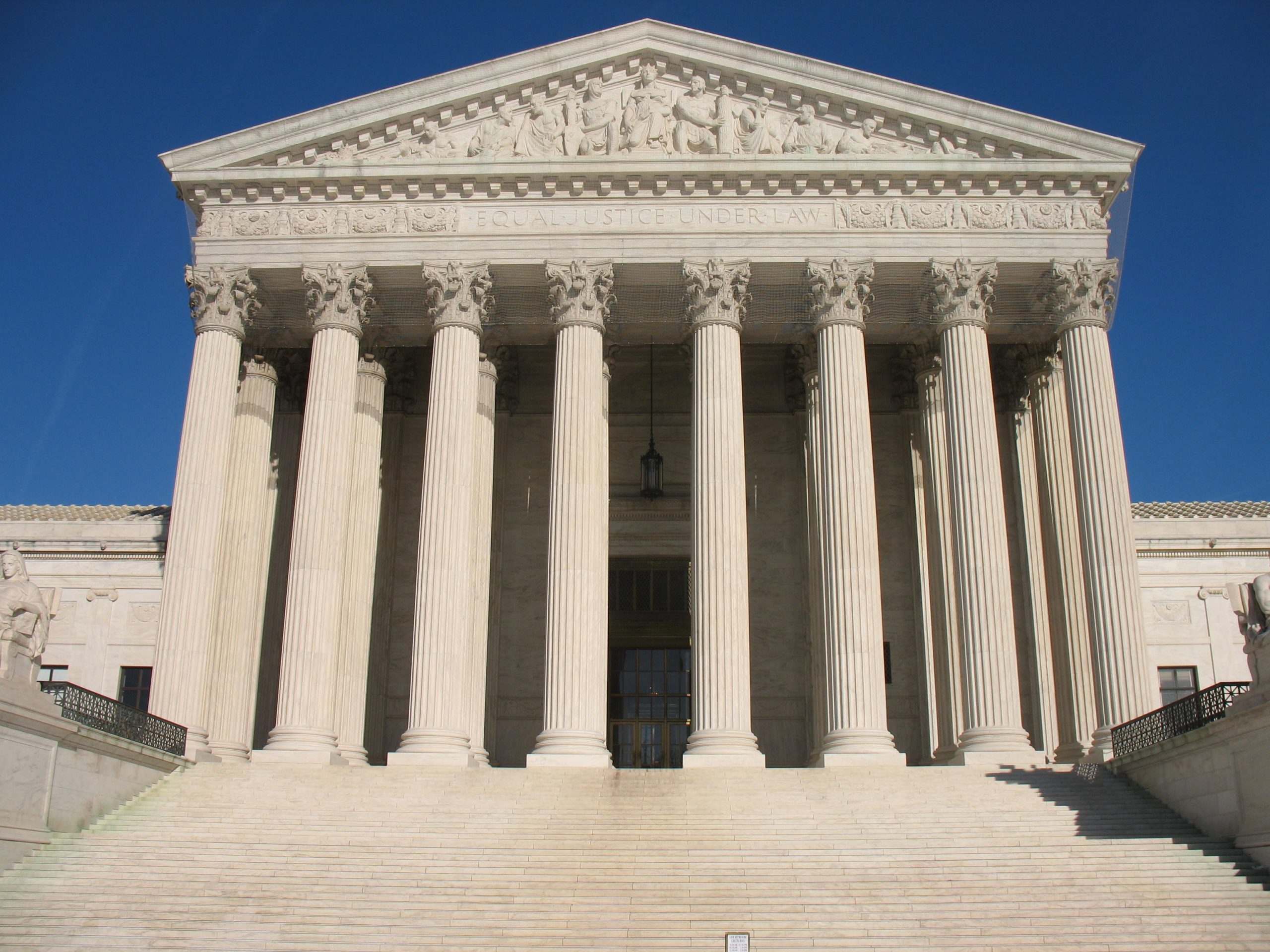
The dispute also has a higher-court thread. The Supreme Court’s public docket lists a case titled Donald J. Trump, President of the United States, Petitioner v. E. Jean Carroll, docketed on November 13, 2025, as No. 25-573.
That docket entry does not mean the Supreme Court has agreed with Trump, and it does not mean the justices will necessarily take up the merits. It shows that the litigation has reached the nation’s highest court in some form.
For Trump, that can support the argument that his appellate options remain active and that the money should be protected against a later reversal or narrowing. For Carroll’s lawyers, pending higher-court activity is not the same as a win on appeal.
The immediate legal question is narrower than the public drama surrounding the case: how should courts treat money when juries have awarded it, judgments exist, and appeals are still moving?
What remains unresolved
The key unresolved issue is whether Trump can recover any money, or at least keep a clear legal route to do so, if future rulings go his way. Carroll’s team is trying to prevent that path from disrupting enforcement of the judgments.
It is also unclear how quickly the remaining appellate steps will unfold. The Supreme Court docket adds attention, but it does not guarantee a particular outcome. The court could decline further review, request more briefing, or act in a way that affects only part of the litigation.
For now, Carroll has jury awards totaling $88.3 million across two trials. Trump has denials, appeals and arguments that he should be able to recover funds if the judgments later change.
The next rulings may be procedural, but they carry real stakes. They will help determine whether money awarded by juries stays with Carroll as the case moves toward final enforcement, or whether Trump can claw some of it back if later courts alter the result.
Leave a Reply