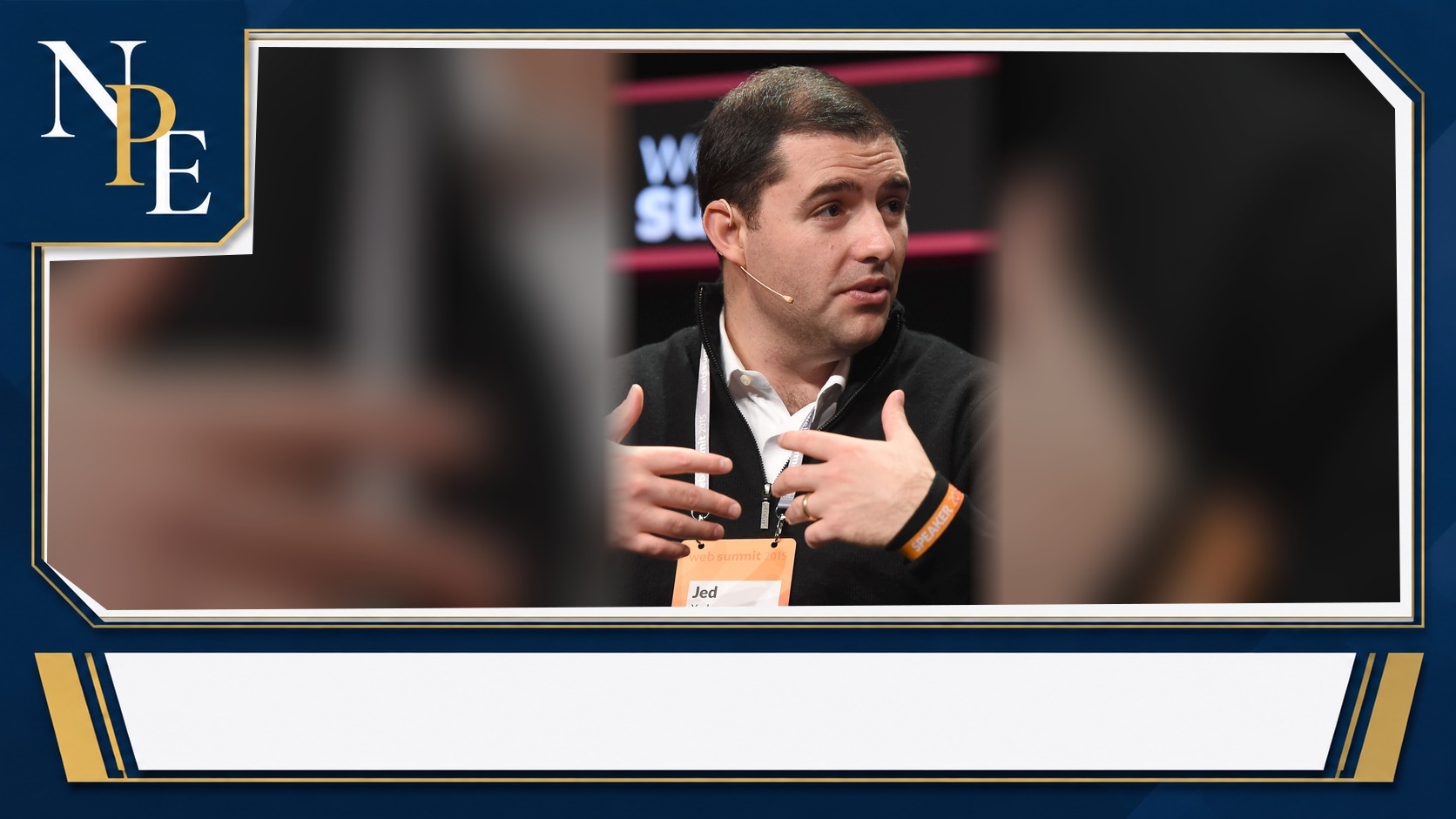
The case involving the 49ers’ principal owner moved quickly from an Ohio arrest to a court resolution. It also puts York under potential NFL review as the league weighs its personal conduct policy.
San Francisco 49ers owner Jed York was arrested in Ohio over the weekend, according to court records, and the case was resolved the following day. York, the 49ers’ principal owner and CEO, was arrested Sunday in East Palestine, Ohio, before pleading no contest Monday to two misdemeanor charges.
The immediate legal outcome is clear: York received fines and a two-day jail sentence. The larger issue now is whether the NFL, which says it will review the matter under its personal conduct policy, takes any separate action against one of the league’s most prominent team owners.
York’s Ohio case moved quickly
York was booked Sunday morning by the Columbiana County Sheriff’s Office and released later that afternoon on an own-recognizance bond, according to records cited by The Athletic. He appeared the next day in Columbiana County Municipal Court.
He pleaded no contest to misdemeanor counts of disorderly conduct and possessing criminal tools. A no-contest plea does not amount to an admission of guilt, but it allows a court to enter a finding based on the facts alleged in the case.
The court fined York $150 on the disorderly conduct count and $1,000 on the possessing-criminal-tools count. He was also sentenced to two days in jail.
Neither the available court summary nor the 49ers’ statement offered a detailed public account of the encounter that led to the arrest. York’s attorney did not respond to a request for comment reported Monday.
The charges require careful context
The fourth-degree disorderly conduct charge was initially listed as engaging in prostitution before being changed, according to court records reported by The Athletic. That procedural detail is significant, but it should not be treated as proof of a separate allegation beyond the charges ultimately addressed in court.
Ohio’s criminal-tools statute can apply broadly to an item, device or other article alleged to have been intended for criminal use. Cleveland attorney Marisa Darden told The Athletic that the statute is broad and that its use in a case related to prostitution would be relatively uncommon.
Court records also said a cellular device would be returned to York. They ordered $160 seized in the case to be forfeited to the Mahoning Valley Human Trafficking Task Force under an agreement by the parties.
The available reporting does not establish the full factual basis for the charges, what investigators alleged occurred before the arrest, or whether any further public records will clarify those questions. The court disposition resolves the reported misdemeanor case, but not every question surrounding it.
The 49ers called the matter resolved
The 49ers said they would not offer additional comment. “As this is a legal matter, which has been resolved, we will not be providing any further comment at this time,” the team said in a statement reported by The Athletic.
That response reflects the narrow legal posture of the case: the charges were handled in court quickly, and the organization has not publicly announced changes to York’s role. York remains the franchise’s principal owner and chief executive.
For the club, the timing creates an uncomfortable off-field storyline without, so far, any indication of an operational shift. The 49ers’ football decisions, business operations and public messaging all run through an ownership group led by York.
The team’s statement also leaves unanswered whether York or the organization will provide a fuller explanation later. A legal resolution does not necessarily end the public or league-level scrutiny that follows a high-profile owner’s arrest.
The NFL has its own review
The NFL said it would review the matter under its personal conduct policy. That policy applies not only to players and coaches, but to league and club personnel, including owners.
A league review is separate from the criminal case. The NFL can examine conduct and decide whether discipline is warranted even when a case has been resolved in court, though the policy does not require a particular result in every situation.
Past owner cases show why predicting the outcome is difficult. New England Patriots owner Robert Kraft was not disciplined by the NFL after he faced 2019 misdemeanor solicitation charges that were later dropped. Indianapolis Colts owner Jim Irsay was suspended for six games and fined $500,000 in 2014 after pleading guilty to operating a vehicle while intoxicated.
Those cases involved different facts, legal outcomes and league circumstances. They offer context, not a formula for how Commissioner Roger Goodell or the league will handle York’s matter.
Why East Palestine is familiar ground
East Palestine is in eastern Ohio’s Columbiana County, near the Youngstown area. The location is not entirely disconnected from the York family: the family has long had ties to the region, and York’s parents own a home nearby, according to The Athletic.
The 49ers have also practiced in the broader Youngstown area while preparing for East Coast games. That history helps explain why the owner of a Bay Area NFL team was in a small Ohio community, though it does not explain the circumstances of the arrest itself.
York became the 49ers’ CEO in 2008 after working within the family organization. In 2024, he acquired enough of his mother Denise DeBartolo York’s stake to become the franchise’s principal owner.
The York family assumed control of the 49ers in 2000, after former owner Eddie DeBartolo Jr. ceded the team to his sister, Denise, following a corruption case in Louisiana. That history makes any legal issue involving the family especially consequential for a franchise accustomed to ownership scrutiny.
What to watch after the plea
The criminal case appears resolved unless additional court action emerges. The most immediate unresolved issue is the NFL’s review and whether the league decides that York’s conduct warrants discipline under its policy.
It is also unclear whether fuller records, a statement from York, or additional comments from law enforcement will provide more detail about the incident. For now, the confirmed sequence is limited: an arrest Sunday in East Palestine, release that afternoon, a no-contest plea Monday, and court-imposed fines and jail time.
For 49ers fans and the broader league, that distinction matters. The legal proceeding has produced an outcome, while the league’s internal process—and the public understanding of the underlying incident—may take longer to develop.
Leave a Reply