The immediate crisis may have eased, but the harder question is whether Washington can turn a temporary pause into terms Tehran will accept. Iran’s ability to disrupt a vital shipping route remains central to the balance of power.
Donald Trump is being presented as having the upper hand in Iran, but the strategic circumstances behind Trump’s advantage are more complicated than a simple win for Washington. Iran and Tehran still hold leverage through their ability to pressure Trump by disrupting trade and energy, especially around the Strait of Hormuz.
The immediate test for U.S.-Iran relations is whether Trump can convert a reported interim agreement into a durable settlement without accepting terms that leave Iran’s missile program, regional posture or negotiating leverage largely intact. A pause in fighting can be meaningful, but it is not the same thing as a settled balance of power.
Leverage is not the same as victory
Calling one side the holder of the “upper hand” suggests that the other side has run out of credible options. The available reporting points to a more unstable picture: the United States can bring military, diplomatic and economic pressure, while Iran can raise the cost of confrontation far beyond its borders.
Reuters reported on Aug. 3 that Tehran believed Trump could yield under pressure and viewed its capacity to disrupt trade and energy as its strongest asset. That assessment does not prove Iran can dictate events. It does show why Tehran may see escalation, or the threat of it, as a bargaining tool rather than a last resort.
For Trump, the advantage is therefore conditional. It rests on demonstrating that the U.S. can protect its interests and its partners while making Iran’s coercive tactics less effective. If shipping disruptions drive up energy prices or unsettle global markets, Tehran can claim it has exposed a vulnerability even if it faces intense U.S. pressure.
The Strait remains Iran’s pressure point
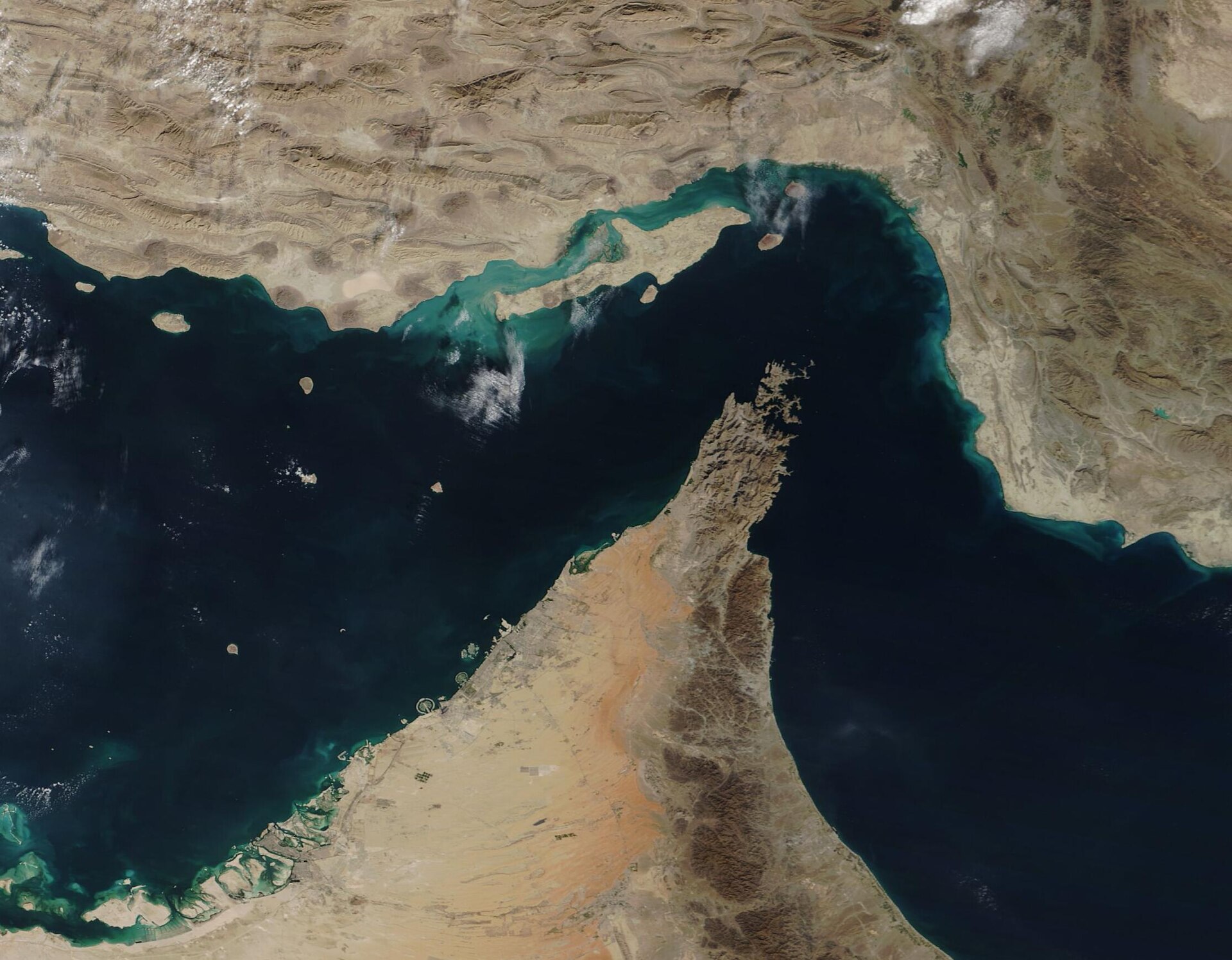
The Strait of Hormuz is not just a geographic detail in this dispute. It is a strategic chokepoint for global oil and gas shipments, which means instability there can quickly become an economic issue for countries well beyond the Middle East.
NBC News reported that a 14-point agreement was intended to end the Iran war and reopen the Strait of Hormuz. The outlet said the wider international economy had already felt the effects of Iran throttling the waterway.
That helps explain why an agreement that reopens shipping can look like progress to the White House even when it falls short of earlier U.S. objectives. Keeping energy moving and reducing the risk of a broader conflict are substantial achievements. Critics, however, can reasonably argue that restoring normal commerce is the minimum requirement of a deal, not proof that Washington has extracted decisive concessions.
The distinction matters because Iran’s maritime leverage may persist even after a reopening. A formal agreement can reduce the chance of disruption, but it cannot erase the geographic reality that Tehran can threaten a route central to global energy markets.
An interim deal leaves hard issues open
According to NBC News, the reported agreement was followed by plans for a 60-day negotiation over a more complete U.S.-Iran arrangement. That is the phase where claims of strategic advantage become easier to measure.
The report said Trump acknowledged that the interim agreement did not meet some initial war goals, including ending Iran’s ballistic missile program. It also said the White House had not formally published the full text of the agreement, although a senior U.S. official distributed it to reporters.
Those gaps make broad declarations difficult to assess. A deal can be strong on immediate de-escalation yet weak on enforcement. It can secure a shipping corridor while deferring questions about missiles, nuclear activity, sanctions, armed partners in the region and the consequences of a breach.
Iranian officials have framed the reported agreement differently. NBC News cited parliamentary speaker Mohammad Bagher Ghalibaf as saying Iran had not allowed the United States and Israel to achieve their original objectives. That public posture is predictable in a high-stakes negotiation, but it also signals Tehran will be reluctant to validate Trump’s version of events.
Washington and Tehran tell different stories
The White House has portrayed Trump’s approach as a security achievement. NBC News quoted White House spokeswoman Olivia Wales calling the president’s work on the battlefield and at the negotiating table “remarkable” and saying it would strengthen American security.
Trump’s domestic critics see the same reported agreement as evidence of concessions. NBC News quoted Senate Minority Leader Chuck Schumer accusing Trump of giving too much away, while independent experts cited by the outlet said the terms heavily favored Tehran.
Neither political message alone resolves the substance. The administration can point to a reported end to the war and movement on the Strait of Hormuz. Skeptics can point to unresolved missile restrictions and Iran’s public claim that it preserved its core interests.
There is also a practical reason for conflicting narratives: both governments need to show their own audiences that pressure worked. Trump needs to show that coercion produced security and stability. Tehran needs to show that resistance prevented capitulation. That makes implementation, rather than victory language, the more revealing standard.
Talks have already shown their fragility
The route to negotiations has not been straightforward. The Washington Post reported that Iran rejected Trump’s claim that talks to end the war would restart on a Monday, with Iranian Foreign Ministry spokesman Esmaeil Baqaei saying Tehran had no plans to send or receive negotiating delegations.
That episode illustrates a central risk: public announcements can get ahead of agreed diplomatic arrangements. NBC News likewise reported that planned technical talks had not been finalized and that Vice President JD Vance was not traveling to Switzerland as initially expected.
Negotiations can stall over location, sequencing, sanctions relief, verification or the make-up of delegations. In a conflict where each side is trying to preserve leverage, even logistics can become a signal of weakness or resolve.
A claimed U.S. advantage will matter only if it produces a process Iran cannot easily delay, reinterpret or use to gain time. Conversely, Tehran’s leverage will look weaker if it cannot translate pressure on shipping and markets into lasting concessions.
The next measure is enforcement
The immediate outcome described in the reporting is a chance to lower the risk of war and reopen a key waterway. The larger outcome remains unsettled because the final terms, enforcement mechanisms and status of several core disputes have not been publicly resolved.
For Trump, the challenge is to show that de-escalation was not purchased at the expense of long-term deterrence. For Iran, the challenge is to preserve its security claims and economic interests without inviting renewed confrontation or isolation.
That is why the “upper hand” debate should be treated as a testable claim, not a final verdict. If the Strait remains open, talks advance and enforceable limits emerge, Trump will have a stronger case. If Iran retains the ability to repeatedly disrupt trade and force concessions, the balance will look far less settled.
Leave a Reply