A six-figure H-1B filing charge would reshape the economics of hiring skilled foreign workers. But key details, including how the new amount would work and whether it can survive another court challenge, remain unclear.
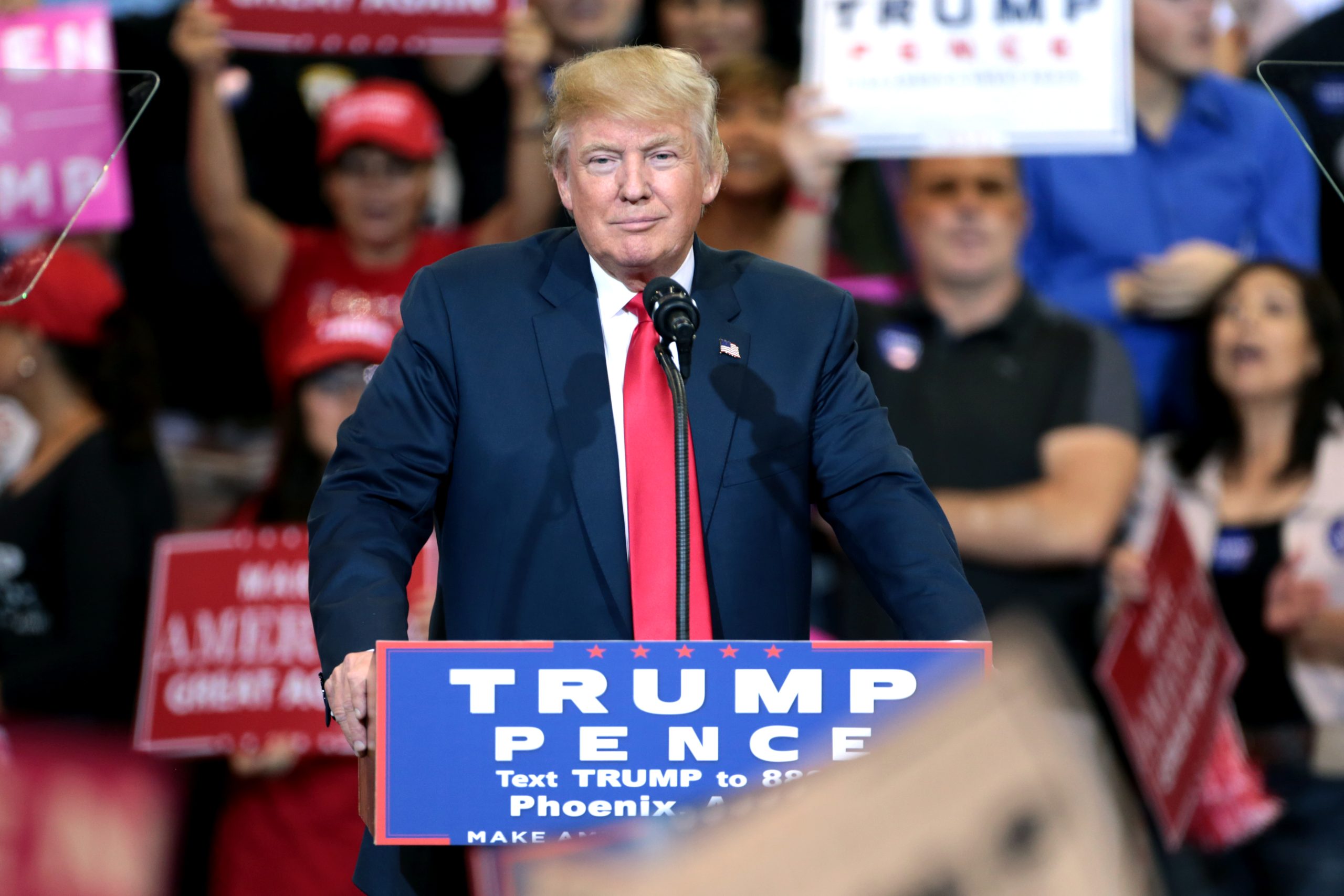
The Trump administration has proposed a $103,000 fee for H-1B visa petitions, according to CNN. The proposal concerns H-1B visa fees and would place an extraordinary new cost on employers seeking to hire certain skilled foreign workers.
The reported plan matters now because a federal court blocked the administration’s earlier $100,000 H-1B payment requirement, and the government says it is complying with that ruling while considering its next steps. A new six-figure charge could reopen a major fight over immigration policy, business hiring and executive power.
A six-figure cost for sponsorship
H-1B visas allow U.S. employers to sponsor foreign professionals for temporary work in specialty occupations. The program is widely used in fields including technology, engineering, health care, finance and higher education.
CNN reported that the administration plans to add a $103,265 fee for H-1B visas. The candidate headline rounds that figure to $103,000, but either number is far beyond the ordinary administrative fees normally associated with employment-visa filings.
The practical effect would depend on the final terms. An employer, rather than the worker, generally handles an H-1B petition, but a steep new charge could influence which jobs companies sponsor, where they recruit and whether smaller employers can participate at all.
The earlier $100,000 requirement
The proposal follows an earlier Trump administration policy that required a $100,000 payment with certain new H-1B petitions. President Donald Trump signed the underlying proclamation on Sept. 19, 2025, according to a U.S. Citizenship and Immigration Services FAQ.
USCIS said the prior policy covered new H-1B petitions submitted after Sept. 21, 2025, including petitions connected to the 2026 lottery. The agency said it did not apply to visas already issued, petitions filed before that deadline or H-1B renewals.
That distinction is important. The earlier policy was presented as a one-time payment tied to a new petition, not as a recurring charge for every visa extension or for existing H-1B workers traveling into and out of the United States.
A court ruling changed the picture
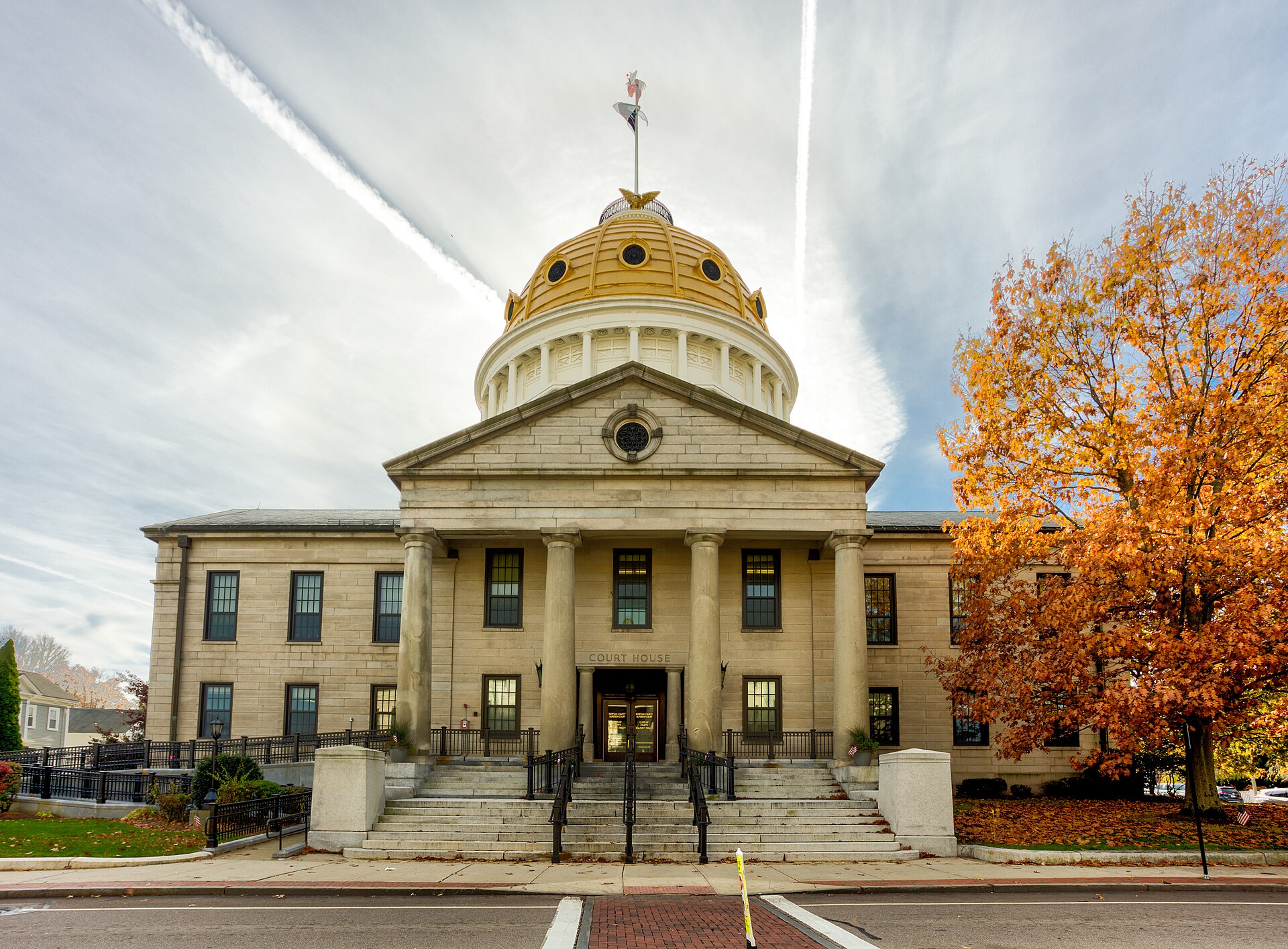
USCIS now says the U.S. District Court for the District of Massachusetts vacated agency guidance implementing the $100,000 payment requirement on June 8, 2026, in State of California v. Mullin.
The Department of Homeland Security sought a stay while it appealed. But USCIS says the U.S. Court of Appeals for the First Circuit denied the government’s request for a stay on July 24, 2026.
The agency said DHS disagrees with the rulings but will comply while it considers further action. USCIS also said the department still plans to collect the payment if the court order is later lifted.
That legal backdrop makes the reported $103,000 proposal more than a routine fee update. It signals an effort to keep pursuing the same policy goal after the earlier implementation route was blocked.
Why supporters want higher barriers
The administration has framed H-1B changes as a way to curb abuse and protect American workers. In its FAQ, USCIS said the 2025 proclamation was meant to reform the program and discourage employers from using it in ways the administration considers harmful to U.S. workers.
USCIS also outlined other potential changes: a Department of Labor rulemaking to raise prevailing wage levels and a Department of Homeland Security rulemaking that would prioritize higher-skilled, higher-paid workers in the H-1B lottery.
Supporters of stricter H-1B rules often argue that employers should not be able to use the program to fill jobs at below-market wages or to displace domestic workers. From that view, much higher costs and wage standards could push companies toward more selective, higher-paying sponsorship.
Critics see a different risk. They argue that a six-figure government payment could shut out startups, universities, hospitals and smaller businesses even when they have legitimate difficulty finding specialized talent.
What companies and workers face
For employers, the key issue is predictability. Hiring plans often run months ahead of a worker’s start date, and H-1B sponsorship can involve lottery selection, legal filings, wage documentation and consular processing. A policy that changes midstream can complicate budgets and recruiting decisions.
For prospective workers, the payment would not necessarily be a personal bill. Still, employers could decide that sponsorship is too expensive, especially for early-career roles or jobs outside the highest-paying industries.
Critics also contend that fees of this scale can change the character of a program Congress created for specialty employment. Supporters may counter that the program should favor only the most highly paid and hardest-to-fill positions.
Neither position answers every implementation question. A final policy would need to spell out which petitions are covered, whether there are exemptions, how the amount was calculated and what legal authority supports it.
The unanswered questions around $103,000
CNN’s report establishes the administration’s reported plan for a $103,265 fee, but the available information does not yet provide a complete public roadmap for the new charge. It is not clear from the reporting whether the administration would pursue a new rule, revised guidance, a different legal theory or another mechanism.
It is also unclear whether a $103,000-level fee would retain the earlier policy’s limits on renewals and existing visa holders. Those details matter because they determine whether the burden falls only on future hiring or reaches more broadly into the existing H-1B workforce.
Any new move is likely to draw close legal scrutiny, given the Massachusetts court’s decision and the First Circuit’s refusal to pause it. The administration may continue to defend its goal of reshaping H-1B hiring, while employers, worker advocates and states opposed to the policy assess whether the next version can stand.
For now, the clearest takeaway is that the prior $100,000 requirement remains blocked under the court orders described by USCIS. The reported $103,000 proposal shows the debate over H-1B costs is far from settled.
Leave a Reply