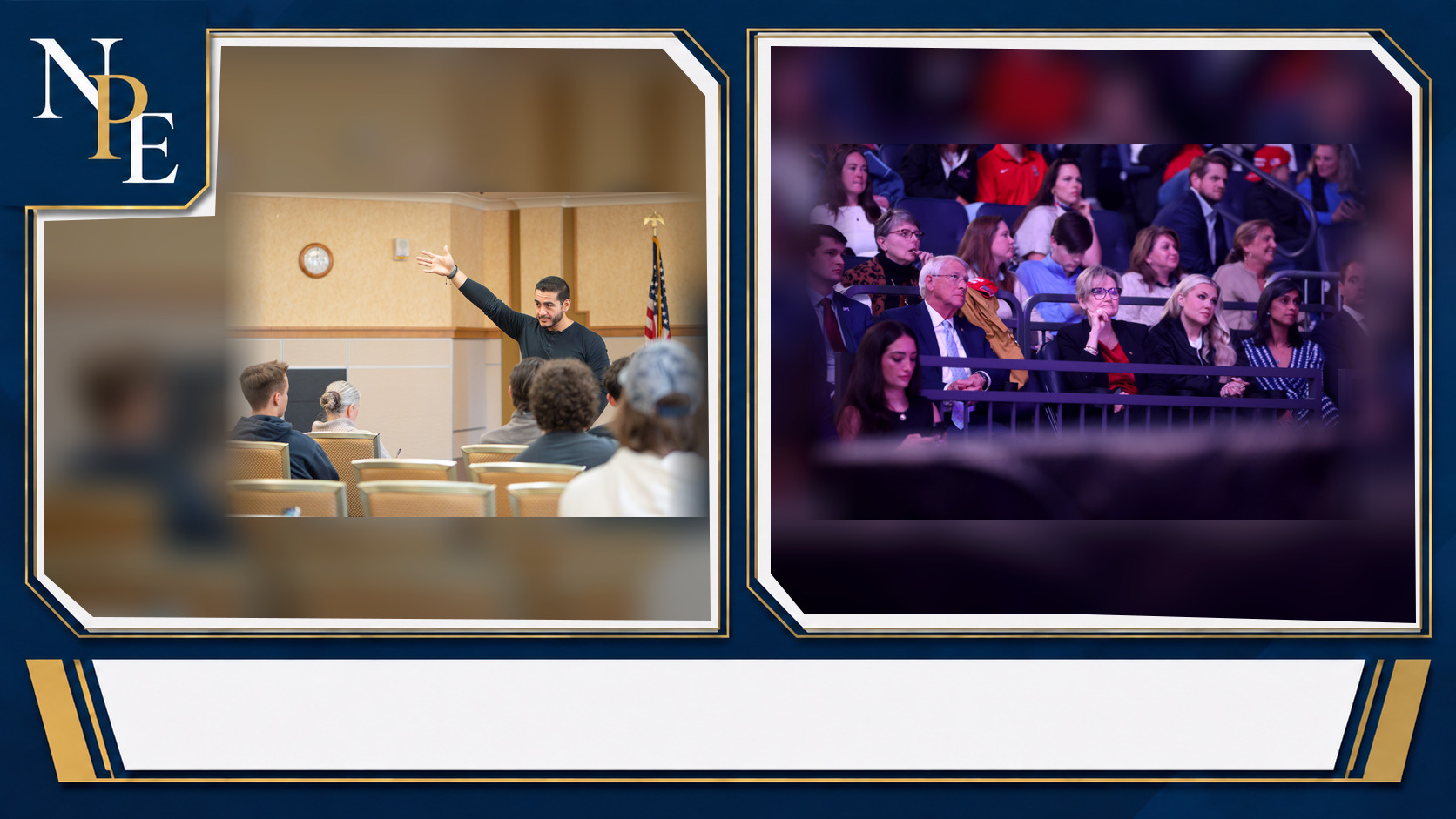
A weekend exchange between Abdul El-Sayed and JD Vance widened into a dispute over a post mentioning second lady Usha Vance. The controversy shows how quickly a campaign message can become a broader argument about race, gender and political rhetoric.
Abdul El-Sayed is facing online criticism after he took aim at Usha Vance in weekend social media posts, drawing second lady Usha Vance into his running clash with Vice President JD Vance. El-Sayed under fire is the latest turn in a Michigan Senate campaign dispute now centered on what, exactly, he meant by a post about whether JD Vance would take his wife “back in time” to meet his grandfather.
The post has prompted accusations of racism and sexism from Republican figures and other critics. El-Sayed’s campaign had not responded to a Fox News Digital request for an explanation, leaving the intended meaning of the remark unresolved while opponents use it to raise questions about his political judgment.
The post that set off backlash
According to Fox News Digital, El-Sayed posted on Saturday: “So do we think JD is taking Usha with him back in time to meet Papaw, or no…” The message followed remarks from JD Vance at an Ohio rally criticizing El-Sayed over his stated adherence to Sharia law.
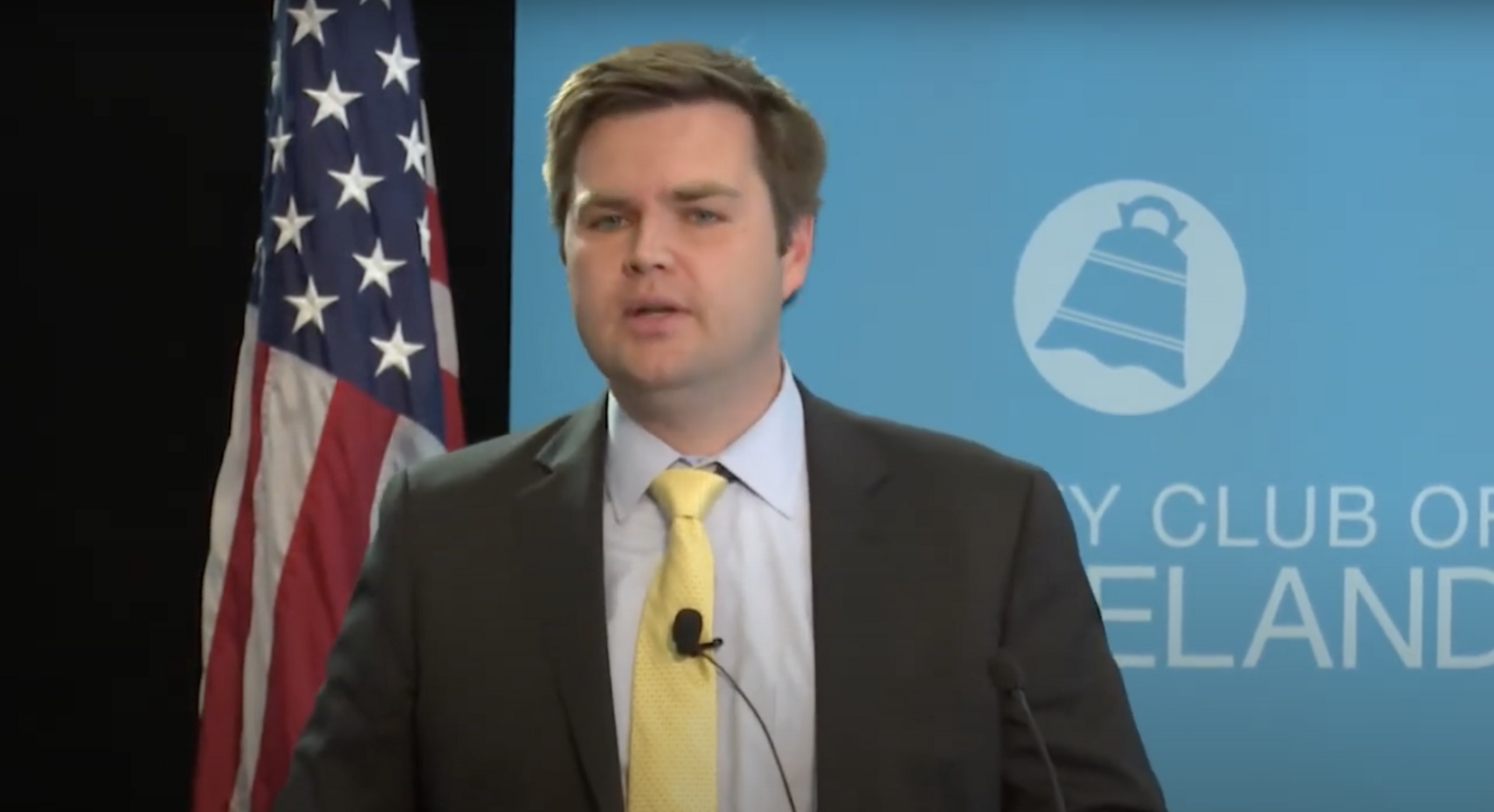
JD Vance framed his criticism around the values of his grandfather, whom he calls “Papaw,” and said El-Sayed’s position would be unfamiliar to that worldview. El-Sayed’s reply brought Usha Vance, who is Indian American, into the exchange.
That is why the wording has become the focus. Critics read the post as suggesting that JD Vance’s grandfather, or the kind of white Midwestern identity invoked in his speech, would reject Usha Vance because of her ethnicity. El-Sayed did not publicly spell out that interpretation in the material reported by Fox.
Without a fuller explanation from the candidate or his campaign, supporters and critics are left arguing over implication rather than a clearly stated claim. In modern campaign politics, that ambiguity can be politically costly on its own.
Critics say the message crossed lines
Republican Rep. Brandon Gill of Texas was among those who objected, asking why El-Sayed would assume that “all White midwestern grandparents are racist.” Commentator Ryan Girdusky similarly argued that the post painted rural white Michigan residents as racist.
Others focused on the decision to reference Usha Vance rather than keep the exchange between the two candidates. Former Florida state Rep. Ben Graber criticized El-Sayed for “attacking” the wives of U.S. leaders, while journalist Emily Schrader called the post racist.
Tudor Dixon, the former Republican nominee for Michigan governor, paired the Usha Vance post with a separate El-Sayed message addressed to Trump aide Natalie Harp. Dixon argued that El-Sayed was targeting women who were not directly part of his dispute.
Those criticisms are partisan assessments, not established findings about El-Sayed’s intent. Still, they identify the political vulnerability in the exchange: a candidate can mean to criticize an opponent’s nostalgia or cultural framing, yet appear to critics to be using that opponent’s spouse as a rhetorical device.
Natalie Harp added another front
Fox reported that El-Sayed also posted about Harp on Saturday after President Donald Trump criticized El-Sayed at a rally. In response, El-Sayed wrote, “Natalie, I think he’s had a little too much iPad for the week. He needs his rest.”
Harp is an aide to Trump, while Usha Vance is the second lady. The distinction matters because the social-media criticism grouped the two posts together even though they involved people with very different public roles.
Matt Whitlock, a Republican strategist, described the posts as evidence of poor campaign instincts. An account supporting El-Sayed’s Republican opponent, former Rep. Mike Rogers, also accused him of sexist rhetoric and urged voters to reject him.
Political campaigns routinely use opponents’ harshest social-media moments to define character. For Rogers-aligned voices, the weekend posts offer material to argue that El-Sayed is impulsive or overly personal. For El-Sayed, a prompt clarification could have distinguished an intended critique of JD Vance’s comments from a personal attack on Usha Vance.
The larger argument behind “Papaw”
The dispute is rooted in more than a single post. JD Vance’s remarks, as described by Fox, were aimed at El-Sayed’s public statements regarding Sharia law and at the broader ideological direction of the Democratic Party.
El-Sayed is a progressive Democrat running in Michigan, a state where cultural identity, religion and economic concerns can all be central to Senate politics. Vance’s use of family history and “Papaw” was a way of presenting the argument in personal, familiar terms.
El-Sayed’s response appears to have challenged the inclusiveness of that framing. But the way he did so gave critics room to argue that he was stereotyping the very voters he needs to persuade, especially white working-class and rural Michiganders.
There is a genuine political disagreement underneath the outrage: whether references to traditional American family identity are inclusive civic language or coded exclusion. The weekend posts did not resolve that question. They shifted attention instead toward El-Sayed’s phrasing and Usha Vance’s place in the exchange.
Why the response matters in Michigan
Michigan Senate races are closely watched because success often depends on holding together a broad coalition: urban Democratic voters, suburban moderates, younger progressives, union households and independents. Candidates have limited room for messages that alienate any one bloc.
El-Sayed’s critics are trying to make this controversy about temperament, treatment of women and cultural division rather than policy. That can be an effective strategy because it asks voters to assess a candidate’s instincts in an unguarded moment, not just the platform he presents at a rally or in an ad.
El-Sayed’s defenders may see the reaction as selective outrage from ideological opponents who are eager to elevate an awkwardly phrased post. The available reporting, however, does not include a direct defense or clarification from El-Sayed’s campaign.
That missing response is significant. A campaign’s first explanation often determines whether a social-media dispute fades as a partisan flare-up or develops into a sustained line of attack.
What remains unclear after the posts
The clearest fact is that El-Sayed invoked Usha Vance while responding to JD Vance’s “Papaw” comments, and that the post produced substantial criticism online. What remains unclear is whether El-Sayed intended to accuse JD Vance’s grandfather specifically of racial prejudice, criticize the vice president’s broader rhetoric, or make another point entirely.
Fox News Digital reported that it contacted the vice president’s office and a representative for Usha Vance but did not immediately receive a response. The outlet also said El-Sayed’s campaign did not answer its request for comment.
Until there is a fuller statement from El-Sayed, the dispute will likely remain an argument over inference. For a candidate in a competitive statewide campaign, that uncertainty is the immediate political problem: opponents can define a vague message long before its author does.
Leave a Reply