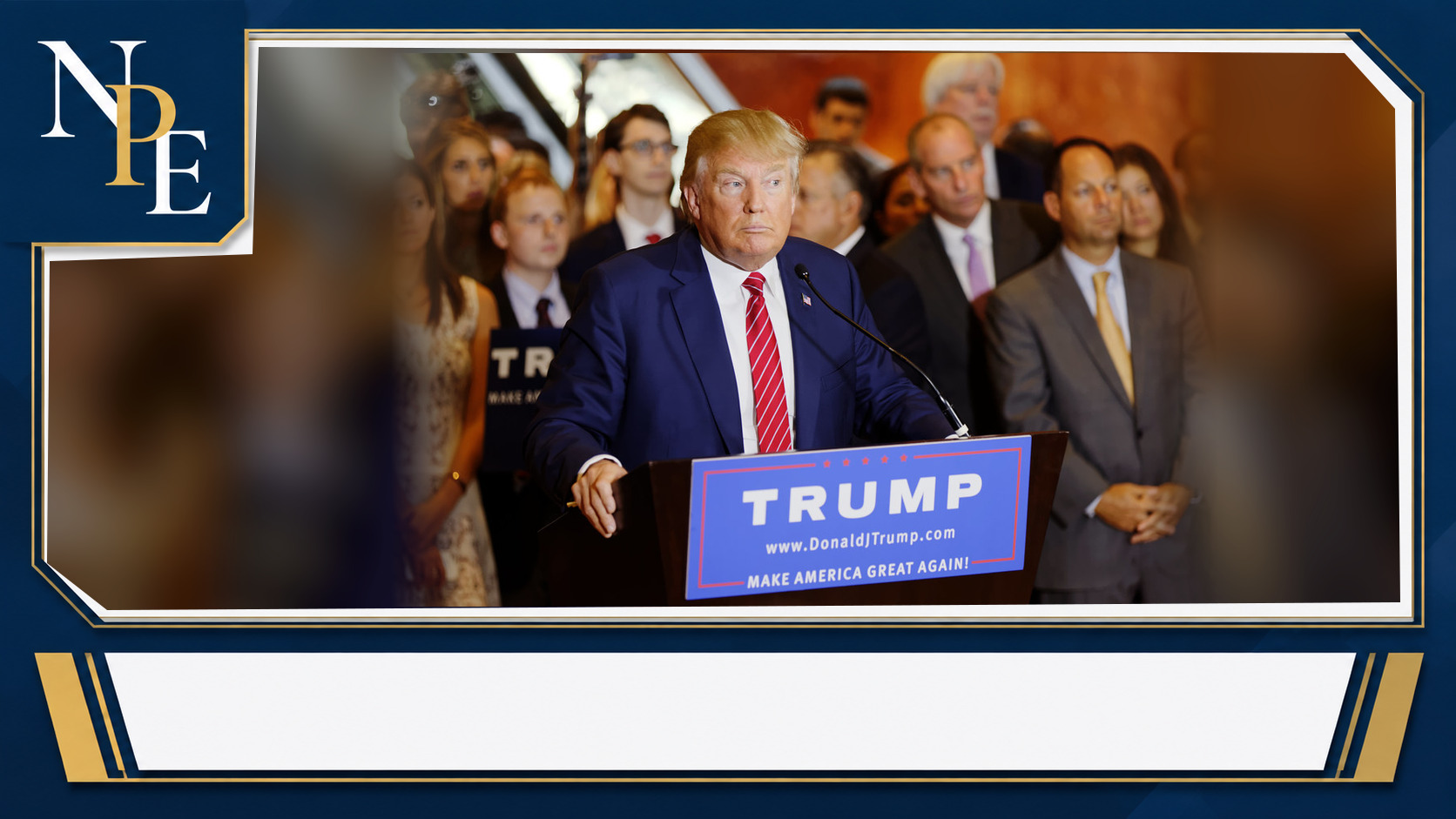
Trump’s proposed 90-day opening for more imported beef puts an affordability promise on a collision course with the ranchers and rural-state Republicans who fear lower cattle prices. The central question is whether a limited import deal can move grocery bills without undercutting the domestic herd.
Donald Trump is pushing to increase foreign beef imports into the United States, saying the plan is intended to lower grocery costs. On Friday, he said up to 300,000 metric tons of ground beef could enter over 90 days without triggering higher out-of-quota tariffs, but Republicans and cattle producers from ranching regions are pushing back.
The dispute matters because Trump’s foreign beef plan tests whether a temporary supply boost can bring down prices for shoppers without hurting ranchers who say cheaper imports could suppress cattle prices and delay growth in the U.S. herd.
A short-term bet on beef
Trump said the imported product would be sold at 25% below current market rates. The administration has not publicly identified the countries that would supply it, and a White House official told the Associated Press the arrangement had not yet been finalized.

According to that official, the imported product would be lean beef trimmings used in ground-beef production. That distinction matters: the policy is aimed more directly at hamburger and other ground-beef products than at every cut sold in a supermarket meat case.
Trump told reporters that he supports ranchers but believes more help is needed to reduce prices. He said an executive order formalizing the directive was expected within two weeks, according to the White House official cited by AP.
Why beef prices are high
Beef prices have reached record highs as the U.S. cattle inventory has fallen to its smallest level in decades. Demand has remained steady, leaving consumers exposed to the effects of tighter supply.
Imports are also part of a more complicated trade picture. Cattle movement from Mexico has been limited because of concerns about a flesh-eating pest, while the Trump administration has imposed a 50% tariff on Brazil, a major beef exporter.
That means the administration is trying to create a temporary channel for additional imported beef while other trade and animal-health constraints affect supply. It is a reminder that a grocery-price problem does not always have a simple retail-level fix.
Ranchers see a different risk
Ranchers are not arguing that high grocery bills are unimportant. Their objection is that bringing in discounted foreign beef could lower the prices paid for U.S. cattle at the moment producers have a financial reason to rebuild their herds.
Sen. Deb Fischer, a Nebraska Republican, said lower food costs should not come at the expense of American producers. She argued that expanding the domestic cattle herd, rather than flooding the market with imports, is the durable solution.
Sen. Tim Sheehy, a Montana Republican, similarly said Trump’s intentions were positive but warned imports would harm ranching families. Sen. Pete Ricketts, another Nebraska Republican, said short-term policy shifts were not the same as long-term solutions.
The concern is economic as well as political. If producers expect cattle prices to fall, they may be less willing to retain breeding animals and invest in a larger herd. That could prolong the supply problem the import plan is supposed to address.
How much could imports move prices?
The proposal’s scale may limit its immediate effect. Glynn Tonsor, a Kansas State University professor who studies the cattle and beef industry, told AP that 300,000 metric tons is roughly 3% of Americans’ annual beef consumption.
His initial assessment was that the amount was unlikely to have a large effect on prices. David Anderson, an agricultural economist at Texas A&M University, raised another practical question: whether foreign suppliers could redirect that much beef to the United States on such short notice.
Those doubts do not mean the plan would have no effect. A discounted supply of lean trimmings could affect particular ground-beef markets. But the available details do not establish how quickly the beef would arrive, where it would be sold or whether the promised discount would be visible broadly at checkout.
The GOP split is politically awkward
Trump is under pressure to address affordability ahead of November’s midterm elections, making food prices an obvious target. Beef is especially visible because it is a staple purchase and its price increases are easy for households to notice.
Yet ranchers and rural-state Republicans are a vital part of Trump’s political coalition. Their criticism does not necessarily signal a broader break with the president; several critics paired their objections with praise for his focus on consumer costs. Still, it exposes a real conflict between consumer-price messaging and producer income.
The U.S. Cattlemen’s Association called the move harmful to domestic producers, while the National Cattlemen’s Beef Association warned against sacrificing long-term market stability for short-term messaging. R-CALF USA’s Bill Bullard argued that greater reliance on imports could further discourage herd expansion.
Details will determine the outcome
The next test is implementation. The administration still needs to clarify supplier countries, the timing and volume of arrivals, the mechanics of the tariff relief, and how it would ensure beef is sold at the discount Trump described.
It also remains unclear whether the temporary policy will be followed by a broader cattle-supply strategy. Ranchers say the enduring answer is a larger U.S. herd; the White House is betting that added imports can offer consumers relief while that longer-term problem remains unresolved.
For now, the proposal is less a settled solution than a high-profile experiment in balancing two constituencies: shoppers looking for lower grocery bills and producers who say America’s cattle industry cannot be strengthened by making imported beef cheaper.
Leave a Reply