
A visit planned around one England match turned into a six-week American tour, complete with road trips, July Fourth in Washington, and a White House visit. The reaction shows how the World Cup became an unexpected image boost for the U.S.
English soccer fan Olive Henry, a World Cup tourist, is leaving the United States after 45 days, and the tourist gave America a glowing review as he waited to fly back to the UK. His extended stay after the World Cup matters now because it turns a one-game visit into a small but vivid snapshot of how the U.S. landed with visiting fans.
HITC reported that Henry came to the United States for England vs. Croatia, stayed 10 days beyond the July 19 World Cup final, and described the trip on X/Twitter as a “once-in-a-lifetime experience.”
A one-game trip became 45 days
Henry’s story is striking because it began as the most ordinary kind of sports tourism: fly in, watch your team, go home. Instead, according to his own departure message, he stayed for a month and a half.
“I came to the USA to attend one game between England and Croatia and ended up staying for 45 days,” Henry wrote, according to HITC. That single sentence is the whole appeal of the story. A fixed itinerary turned into a wandering American summer.
He said he was sitting in an airport terminal waiting to board his flight back to the UK when he posted the message. The tone was not just polite thanks. It was a full-throated endorsement: “It has been an incredible experience. God bless America.”
For a World Cup host country, that is the kind of word-of-mouth money cannot easily buy. It is personal, specific and delivered at the emotional endpoint of a long trip.
The review that traveled online
Henry thanked people who had “supported, followed and donated” to his journey, suggesting his trip had become more than private travel. It was watched in real time by people online, where fan diaries can quickly become a parallel event to the tournament itself.
His list of highlights was eclectic. He mentioned experiencing “true American culture,” shooting machine guns, holding alligators, taking road trips and spending the Fourth of July in Washington, D.C.
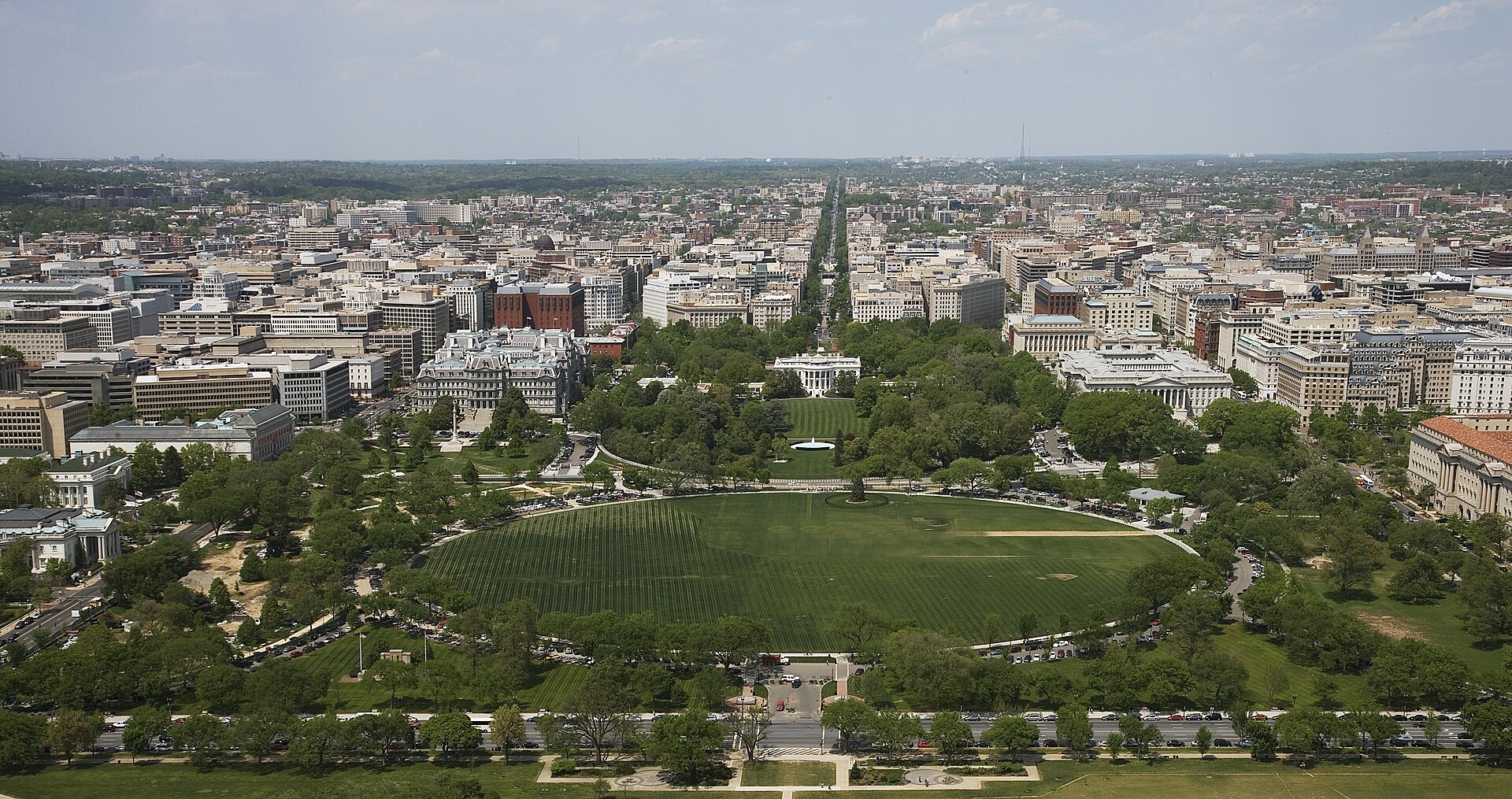
He also said he met President Donald Trump, went on Fox News and visited the White House. Those details push the trip out of the usual fan-zone-and-stadium category and into something closer to a pop-up American spectacle.
Not everyone would choose the same version of an American itinerary. That is part of why the post traveled: it reads like an outsider’s compressed, high-volume encounter with the country’s symbols, thrills and contradictions.
America got a useful postcard
Major tournaments are judged by more than the final score. Hosts are also judged by transport, prices, weather, crowds, policing, hospitality and whether visitors leave with stories they want to repeat.
HITC framed Henry’s praise as part of a wider wave of positive fan reaction during the World Cup. The outlet noted that the United States did not enter the tournament with a universally warm global reputation, but visiting supporters had been sharing favorable impressions of the country across social media.
That kind of informal approval can matter. A tourist saying “I loved it here” often lands differently than a government campaign or a polished tourism advert. It feels less managed, even when it is still shaped by the unusual access and attention that viral fans can receive.
The result is a softer kind of sports legacy. Stadiums and TV numbers are the official record. Airport posts, street interviews and fan videos become the memory layer.
The rough edges still mattered
The praise does not mean the tournament experience was frictionless. HITC pointed to hydration breaks and high prices as recurring complaints or caveats around the U.S. World Cup experience.
Those details are important because they keep the story from turning into pure tourism brochure copy. Fans can love a destination and still notice when the heat is punishing, the distances are large or the cost of following a tournament is steep.
Henry’s review also reflects one person’s trip, not a complete audit of visitor experience. He had a highly unusual journey, including media appearances and access that most traveling fans would not receive.
That does not make his reaction meaningless. It just means it should be read as a vivid personal endorsement, not a universal verdict from every supporter who passed through the United States.
Why this fan story resonated
Part of the fascination is the gap between expectation and outcome. Many international visitors arrive with ideas about America shaped by films, news coverage, politics and social media. A long trip can either confirm those assumptions or scramble them.
Henry’s message leaned heavily toward the second outcome. He left describing the country as generous with experiences, full of spectacle and worth celebrating.
There is also a sports-culture reason the story works. World Cup fans often become characters of the tournament: the supporter who takes an impossible route, the group that befriends locals, the traveler who stays far longer than planned. These side stories give a global event a human scale.
In Henry’s case, the timing helped. Posting from the airport gave the message a clear ending. The trip was over, the bags were packed, and the review came at the moment when travel usually becomes memory.
What remains after departure
Henry is now heading home, but the larger question is whether the United States can turn positive fan reactions into a longer-term tourism and reputation bump. That is harder to measure than a viral post.
World Cup hosts often hope visitors will return later with family or friends, or encourage others to go. A 45-day fan journey offers exactly the kind of story that can make a destination feel less abstract to people watching from abroad.
Still, much remains unclear. We do not know how typical Henry’s experience was, how many visitors stayed beyond the final, or whether the praise outweighed complaints for fans dealing with travel distances and prices.
What is clear is that one English supporter came for a single match and left with a much bigger story. For the United States, his farewell message was a simple but valuable review: the tournament ended, the trip stretched on, and America made an impression.
Leave a Reply