
The 2-1 ruling keeps Colorado’s short-term rental car charge in place and clarifies why judges viewed it as a fee paid by renters, not an unlawful airport-business tax.
A U.S. appeals court upheld Colorado’s congestion fee on rental cars on Monday, July 27, turning down the court challenge to the fee by an industry group tied to rental car companies. The 10th U.S. Circuit Court of Appeals said Colorado could keep the charge, which was set at up to $3 per day.
The ruling from the U.S. Circuit Court of Appeals, reported from Washington, matters because Colorado approved the fee in 2024 for rentals of 30 days or less as a way to fund transportation projects that the state says can ease congestion.
A narrow win for Colorado
The decision preserves a funding tool Colorado lawmakers built into the cost of short-term vehicle rentals, including rental cars used by visitors and residents. It also gives the state a legal victory over the American Car Rental Association, the industry group that challenged the charge.
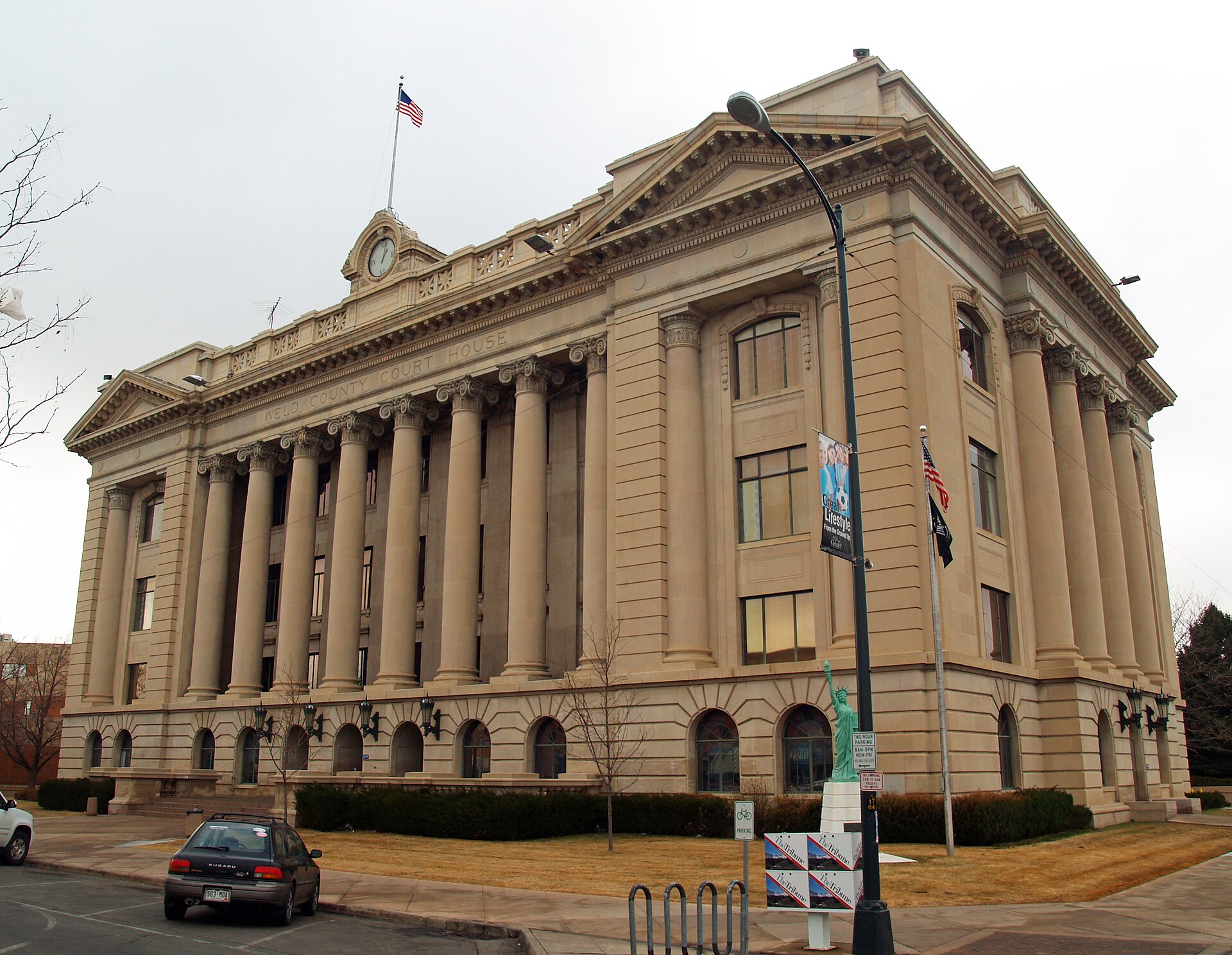
The case centered on whether Colorado’s congestion impact fee runs afoul of federal limits on local taxes connected to airports and air commerce. The rental car industry argued that the charge could not stand under those restrictions. Colorado argued the fee was aimed at the transportation impacts of rental vehicles on public roads.
In a 2-1 ruling, the appeals court sided with Colorado and upheld a lower court decision that had also found the fee lawful. According to the court opinion, the key distinction was who legally pays the charge and what the money is meant to support.
Why the payer mattered
The appeals court concluded the fee was valid because the payers are people who rent vehicles, not the rental car businesses themselves. That distinction was central to the state’s defense and to the court’s reasoning.
The judges also looked at the relationship between the fee and the benefits funded by it. The court said the travelers paying the charge are among those who benefit from surface transportation infrastructure projects supported by the revenue.
That framing helped Colorado avoid the industry’s argument that the charge functioned as an unlawful tax on airport businesses. The court treated the fee as a renter-paid transportation charge connected to road impacts, not as a tax imposed on rental car companies for airport-related purposes.
For drivers, the practical point is simpler: the fee can continue to show up on qualifying short-term rentals in Colorado, subject to the terms of the state law.
What the fee covers
Colorado approved the congestion impact charge in 2024 on rentals lasting 30 days or less. Reuters reported that the state designed it to address the impact of rental cars on public roads and said the money would support investments in transit and rail services, with the goal of reducing traffic congestion.
The fee can be as much as $3 per day and is raised annually to adjust for inflation. The charge also applies beyond conventional rental cars, including car-sharing programs and larger vehicles such as moving trucks, according to the Reuters account of the ruling.
That broad reach is one reason the case drew industry attention. Rental car companies often operate at airports, where federal law places limits on certain local taxes connected to air travel and airport businesses. Colorado’s law, however, was written around short-term vehicle use and its effect on the road network.
The American Car Rental Association, which brought the challenge and represents companies including Avis, Hertz and Enterprise, did not immediately respond to a Reuters request for comment after the ruling.
The airport-tax question
The legal fight turned on a specialized but important area of federal transportation law. Since 1972, Congress has expanded limits on local taxes tied to air passengers and air commerce. Those limits were later extended to businesses located at commercial service airports.
A 2018 law sharpened the issue by saying local taxes could not be imposed on airport businesses unless the money was wholly used for airport or aeronautical purposes. The rental car industry leaned on that framework in challenging Colorado’s fee.
The appeals court’s majority did not accept that Colorado’s charge fit the prohibited category. The court focused on the structure of the law: renters pay the fee, and the money funds surface transportation projects rather than simply extracting revenue from airport-based companies.
The dissenting judge’s reasoning was not detailed in the extracted report, but the 2-1 split signals that the legal question was not viewed as automatic. That leaves room for continued debate over how close a state fee can get to airport-linked commerce before federal restrictions apply.
Why states are watching
Colorado’s win lands at a moment when states and cities are searching for ways to pay for transportation systems without relying only on traditional fuel taxes. Rental cars are an appealing target for lawmakers because they are often used by visitors, contribute to road wear and congestion, and can be charged per day in a way that is easy to administer.
To supporters, these fees ask users of the road system to help pay for the congestion and infrastructure demands they create. They can also direct money toward transit and rail projects that may reduce pressure on roads over time.
To opponents, the charges can look like a convenient way to raise travel costs while shifting public infrastructure burdens onto rental customers. Industry groups often argue that customers already face a stack of taxes and fees, especially at airports, where rental car bills can include facility charges and other add-ons.
The ruling does not mean every congestion fee would survive. It means Colorado’s version, as reviewed by the 10th Circuit, was structured in a way the majority found legally permissible.
What happens next
The immediate result is that Colorado’s fee remains in place unless further court action changes the outcome. The American Car Rental Association could seek additional review, though the available reporting did not indicate its next move.
The decision also gives Colorado more certainty as it plans transportation funding. If the state continues collecting the charge, the policy test shifts from the courtroom to the road: whether the revenue is used in ways drivers can recognize as congestion relief.
One unresolved question is how aggressively other states might copy the model. The ruling applies within the 10th Circuit’s legal context and to Colorado’s specific law, but it may still be read by lawmakers elsewhere as a roadmap for designing renter-paid transportation fees.
The takeaway is not that rental car fees are suddenly litigation-proof. It is that courts may be willing to uphold them when states connect the charge to road use, make renters the legal payers and direct the money toward surface transportation rather than unrelated airport revenue.
Leave a Reply